In nature, survival is often harsh, but there are surprising moments where animals show nurturing behavior beyond their own offspring. Some species have been observed adopting, feeding, or protecting young that are not biologically theirs.
This behavior, while not common, offers insight into social bonds, instinct, and environmental pressures that shape animal interactions.
Elephants
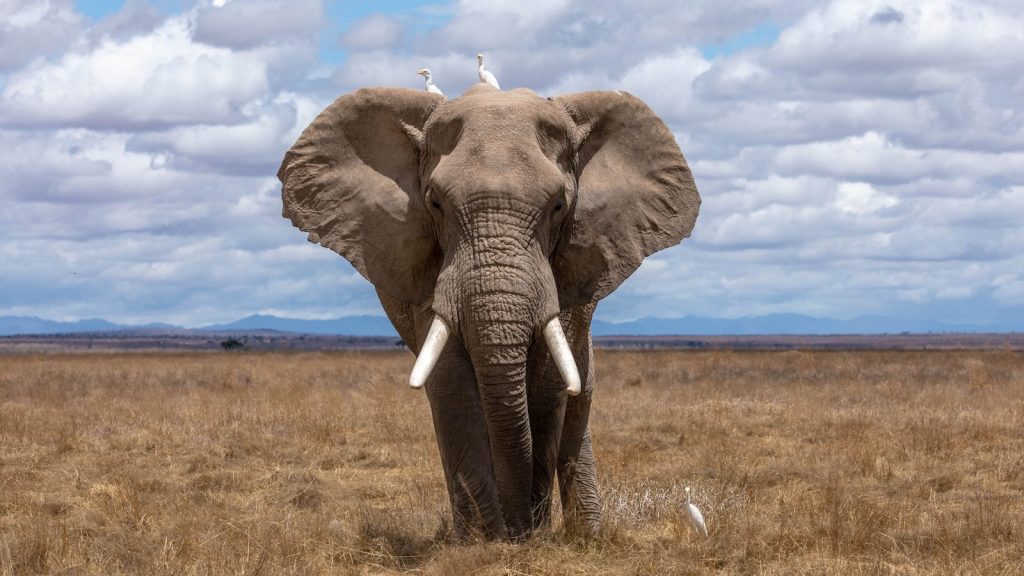
Elephants are highly social animals known for strong herd bonds. In some cases, adult females have been seen helping orphaned calves within the group.
The herd structure allows young elephants to be protected and guided even if they lose their mother. This collective care improves survival chances.
Dolphins
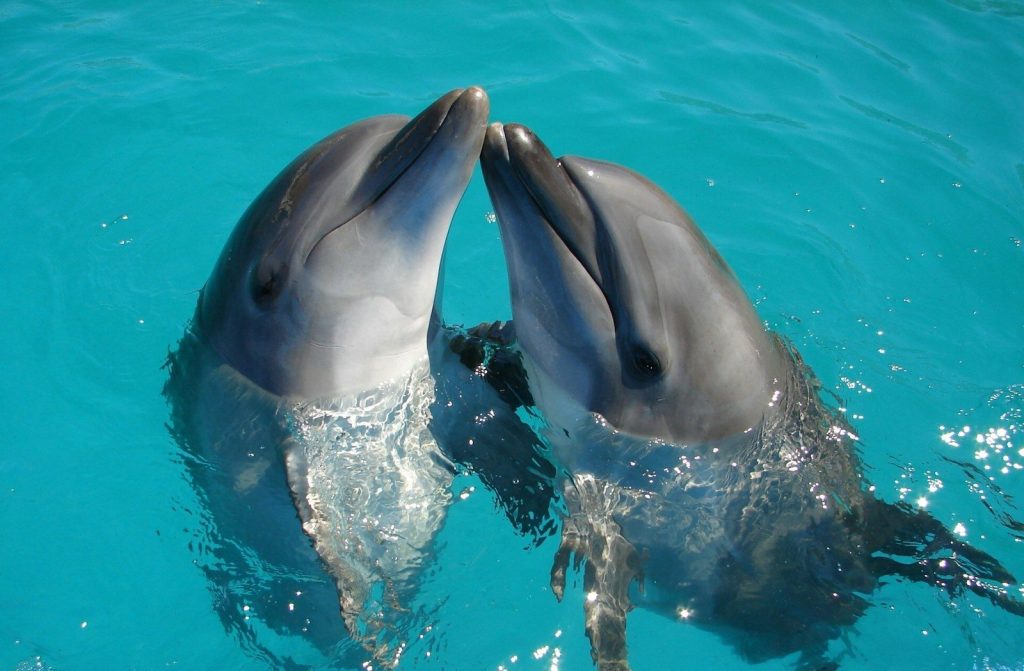
Dolphins live in complex social groups where cooperation is common. There have been observations of dolphins interacting with and protecting calves that are not their own.
Their intelligence and social awareness may contribute to this behavior. Group living increases the likelihood of shared caregiving.
Dogs
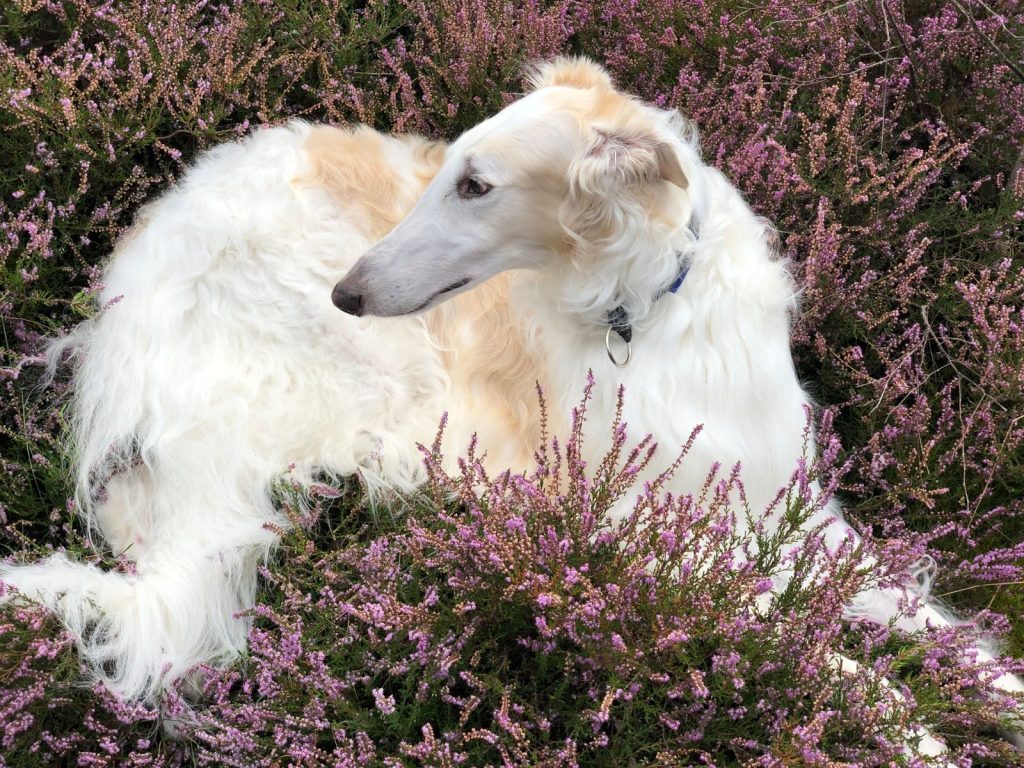
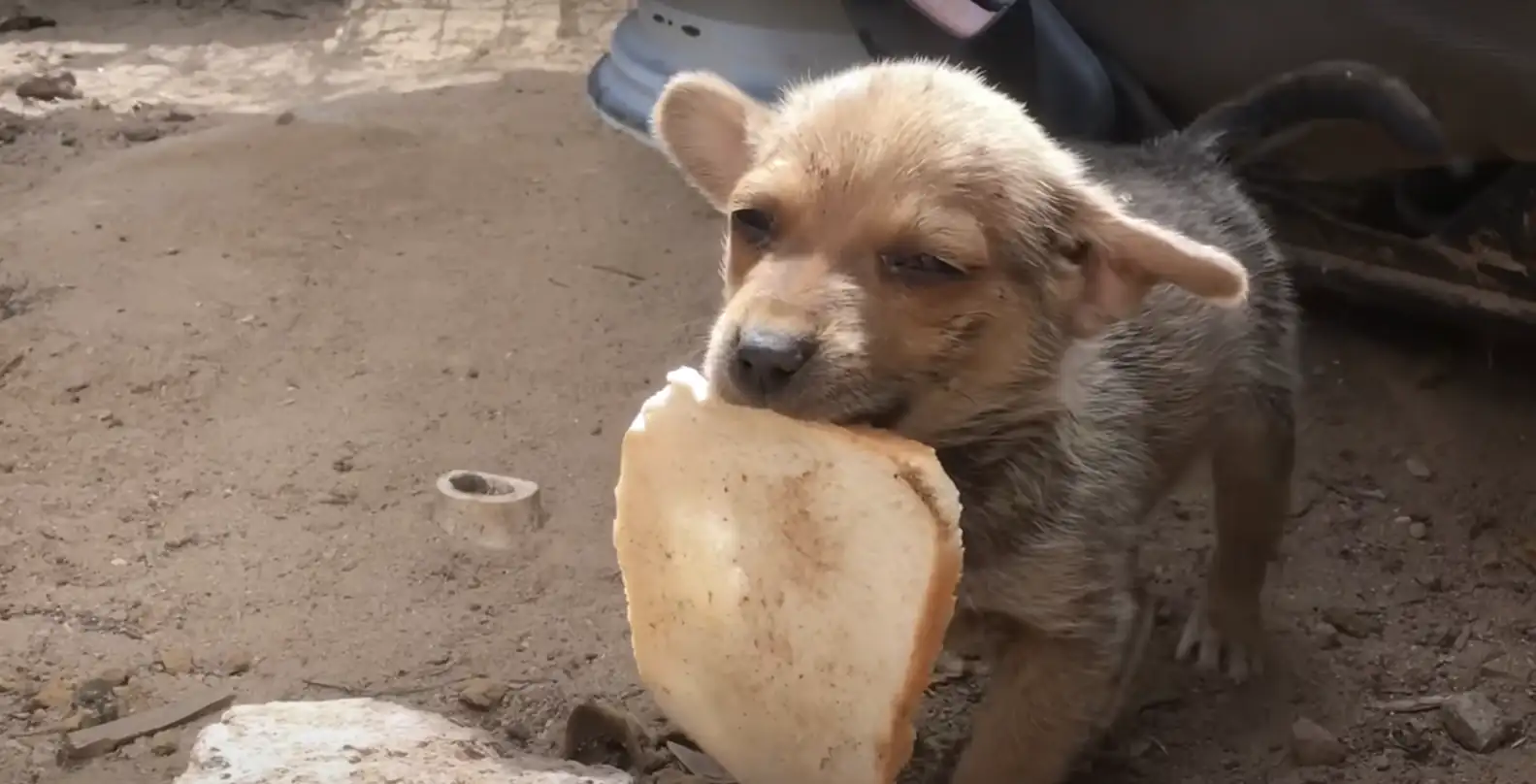
Dogs have domesticated social instincts that make them highly responsive to young animals. In some cases, dogs have been known to nurse or protect abandoned kittens or other small animals.
Their strong bonding behavior extends beyond species boundaries. This makes them one of the most flexible caregivers in the animal world.
Cats

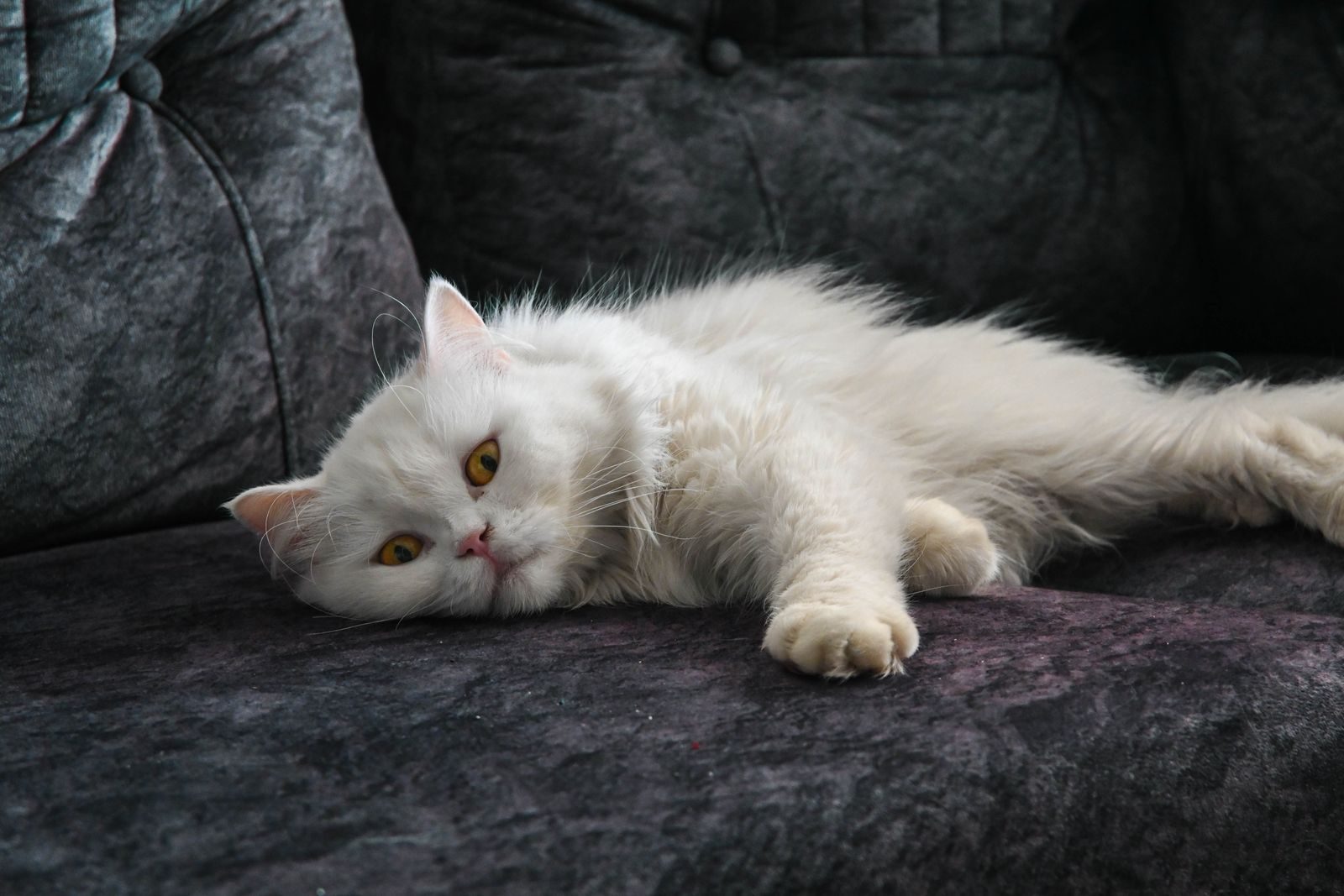
Although cats are typically independent, some mother cats have been known to adopt orphaned kittens. In rare cases, they may even care for babies of other species.
This behavior is often driven by maternal instinct or hormonal changes after giving birth. It is not common but has been documented.
Lions
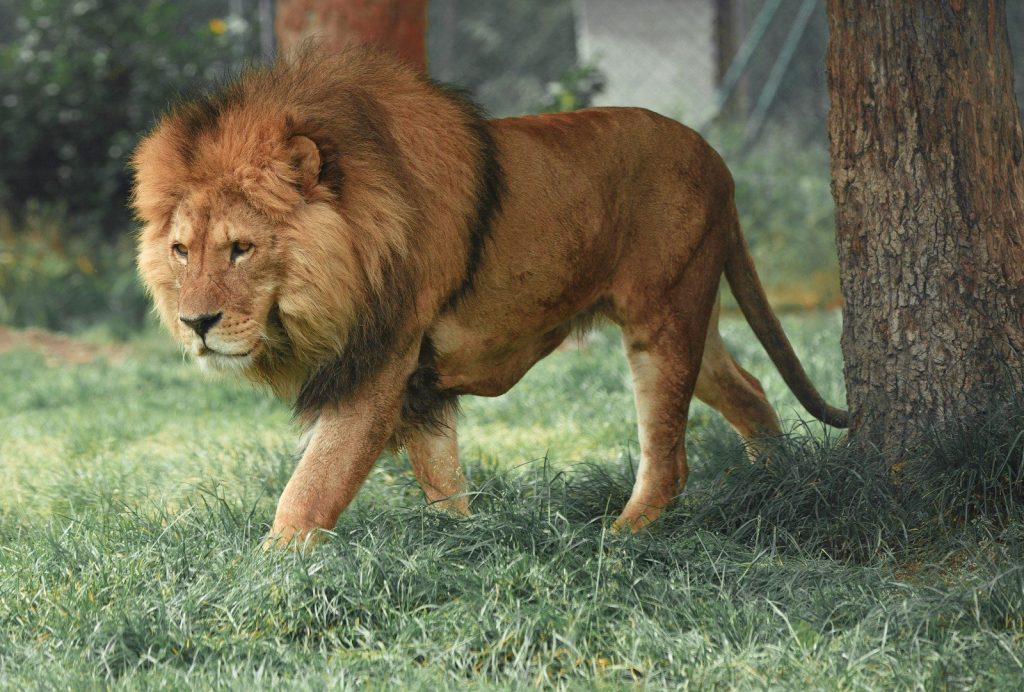
Lionesses within a pride sometimes care for cubs that are not their own. Shared nursing and group protection are common behaviors.
This communal parenting helps strengthen pride survival. Cubs benefit from multiple caregivers within the group.
Monkeys
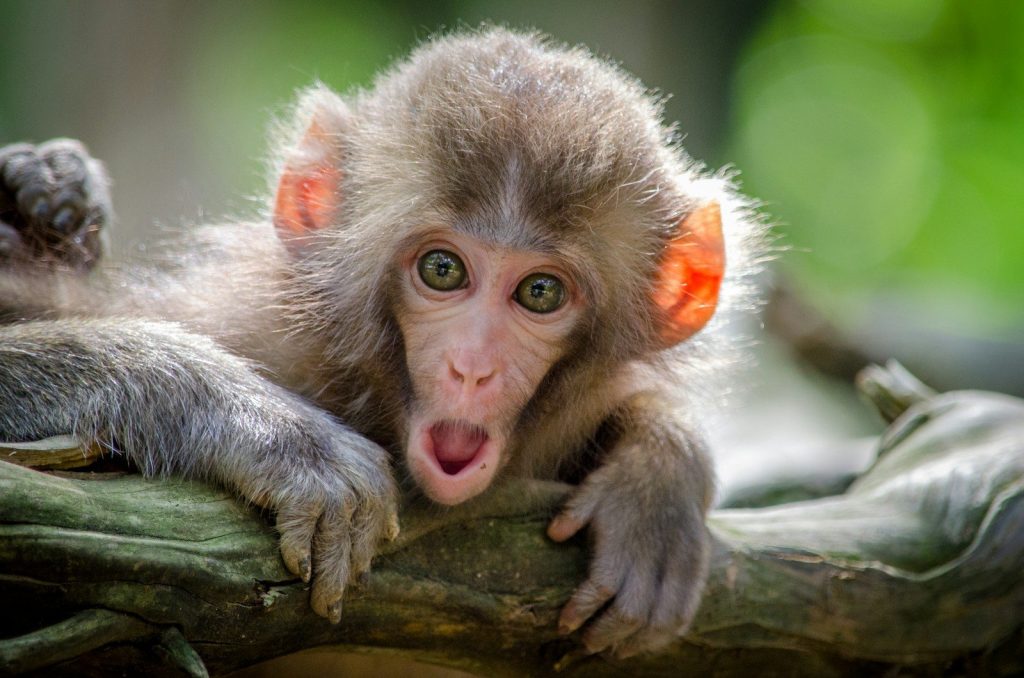
Some primates, including monkeys, are known for adopting orphaned infants. Social bonding and grooming behavior often extend to young members of the group.
Adoption can improve group cohesion and reduce stress within the troop. It also increases survival rates for orphaned infants.