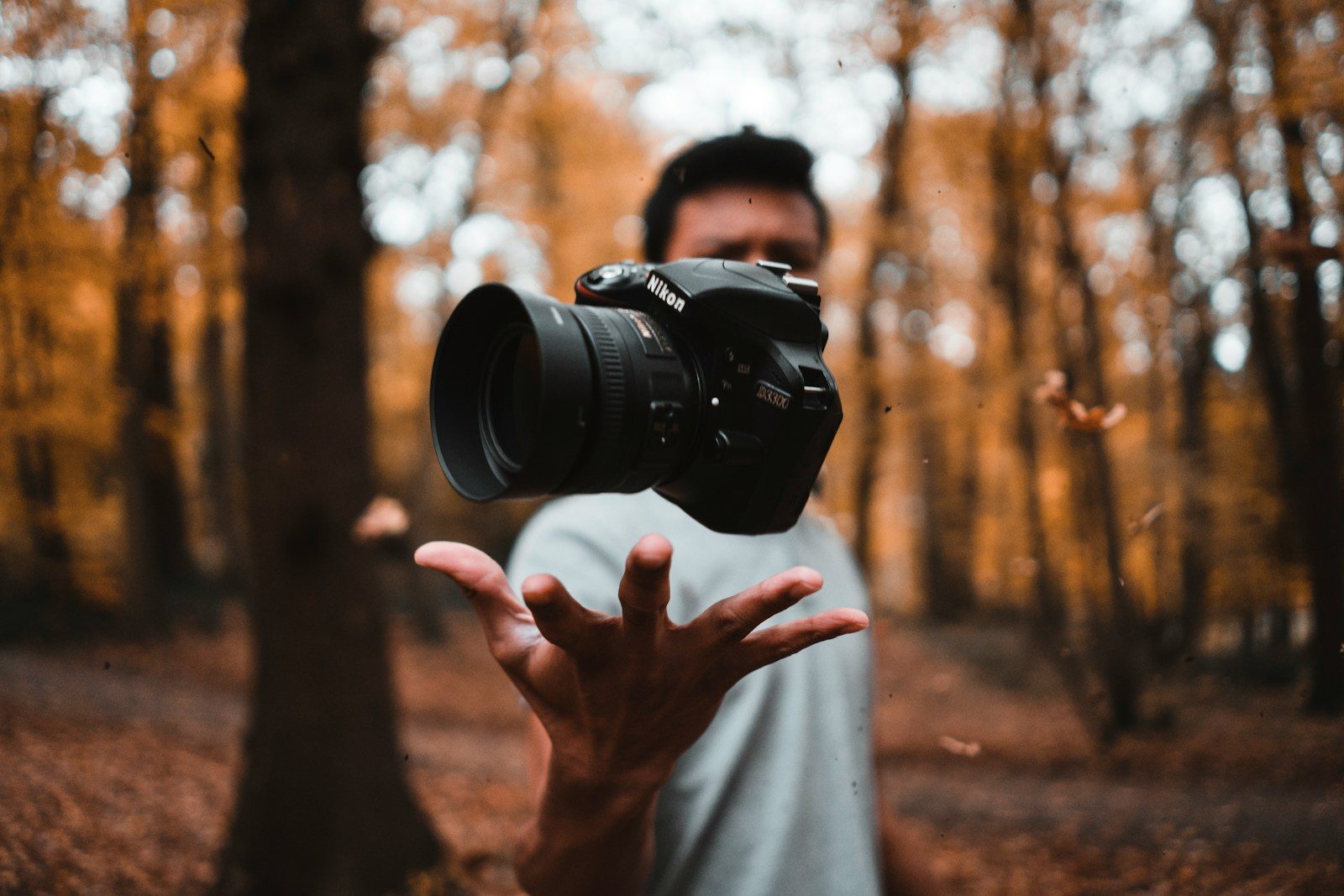
Wildlife photography is all about patience, timing, and understanding animal behavior. Capturing sharp, emotional, and natural-looking images requires more than just a good camera—it demands awareness of nature and respect for wildlife.
Successful photographers focus on technique, environment, and timing rather than simply getting close to animals. These tips can help improve your results in the field.
Study Animal Behavior
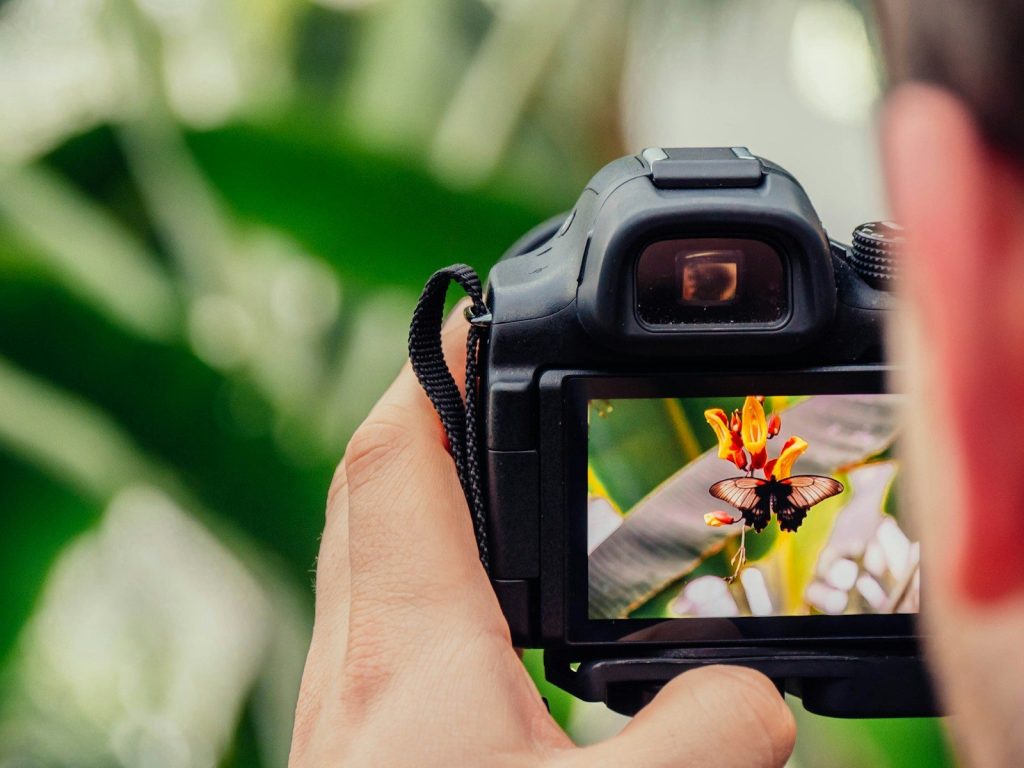
Understanding your subject is one of the most important parts of wildlife photography. Learning when and where animals feed, rest, or move helps you anticipate the right moment to shoot.
Spending time observing behavior increases your chances of capturing natural actions instead of random snapshots. Knowledge of patterns often matters more than expensive gear.
Shoot at Eye Level

Photographing animals at eye level creates a stronger emotional connection. It makes the subject appear more natural and engaging to viewers.
This perspective reduces distortion and helps highlight expressions and detail. Getting low or using terrain features can help achieve this angle.
Use a Telephoto Lens
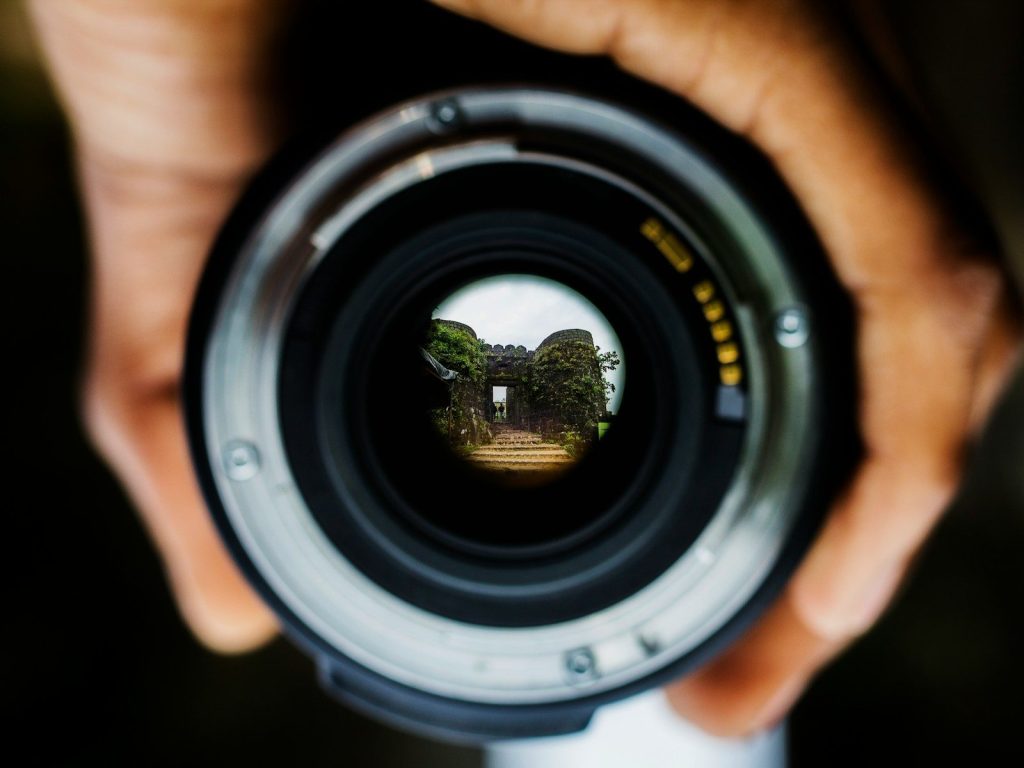
A telephoto lens allows you to photograph animals from a safe distance. This is important for both safety and avoiding disturbance to wildlife.
It also helps you capture detailed close-ups without physically approaching the animal. Many professionals rely on long lenses for sharp, high-quality wildlife shots.
Be Patient and Wait for the Moment
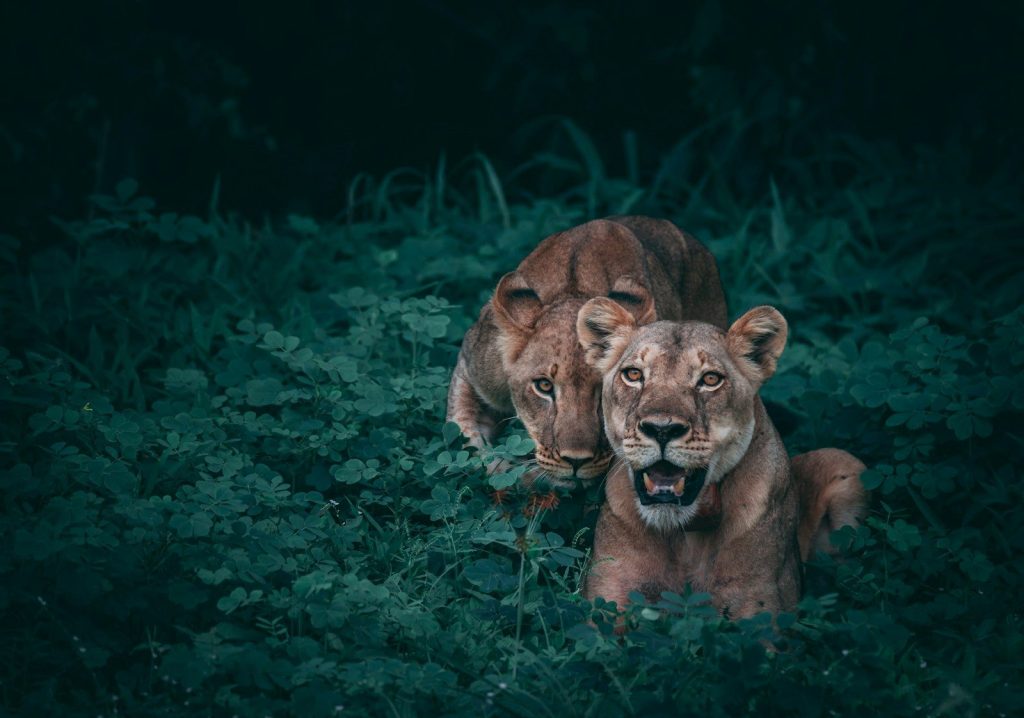
Patience is one of the most important skills in wildlife photography. Animals do not follow schedules, so waiting is often necessary.
Instead of chasing shots, photographers often stay in one location and let animals appear naturally. This approach leads to more authentic images.
Use Natural Light Wisely
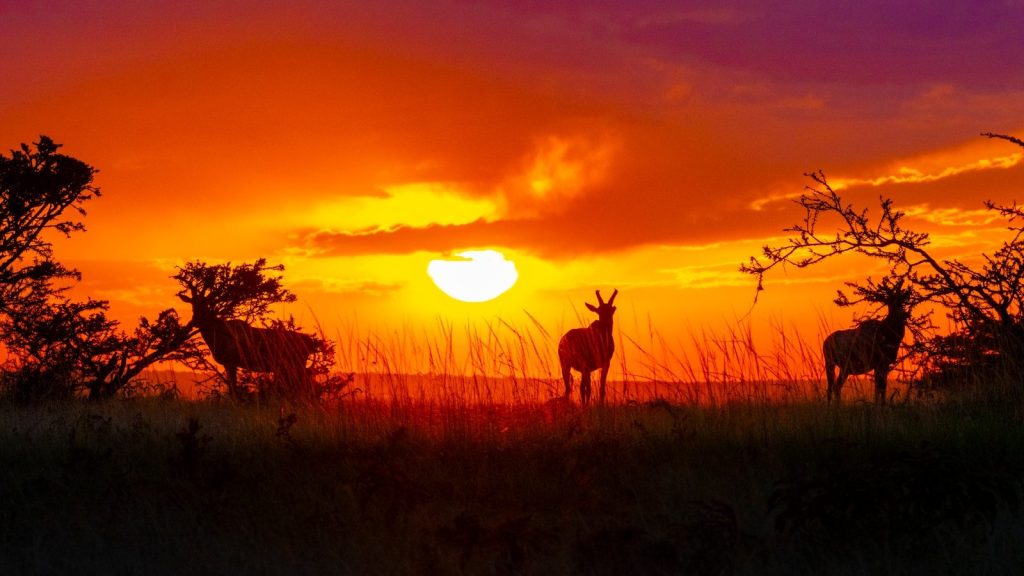
Lighting plays a major role in photography quality. Early morning and late afternoon often provide the best soft, warm light.
Harsh midday sunlight can create strong shadows and reduce detail. Planning your shoot around light conditions greatly improves results.
Stay Quiet and Minimize Movement
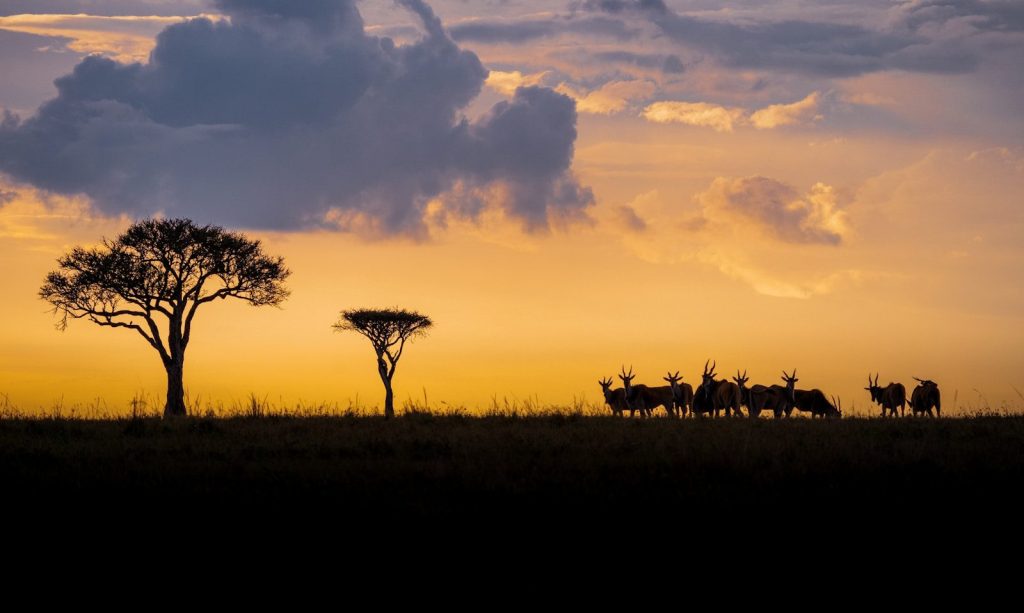
Animals are sensitive to noise and sudden movement. Staying still and quiet helps avoid disturbing their natural behavior.
Blending into the environment increases your chances of capturing natural scenes. Respect for wildlife also ensures safer interactions.
Compose Your Shot Carefully
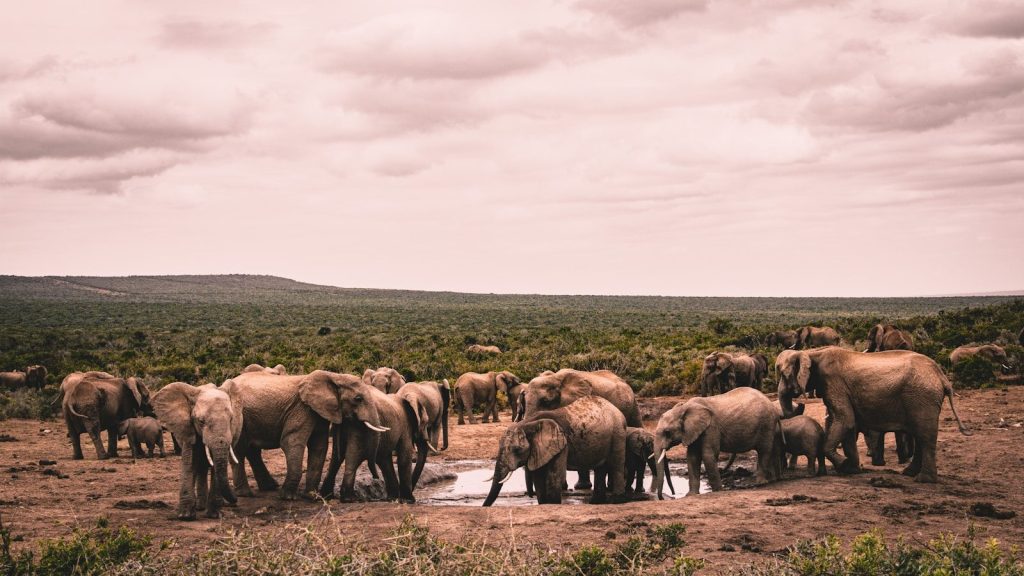
Good composition makes wildlife photos more visually appealing. Using techniques like the rule of thirds helps balance the subject in the frame.
Leaving space for movement and including parts of the environment can also improve storytelling. Background clarity is just as important as the subject itself.