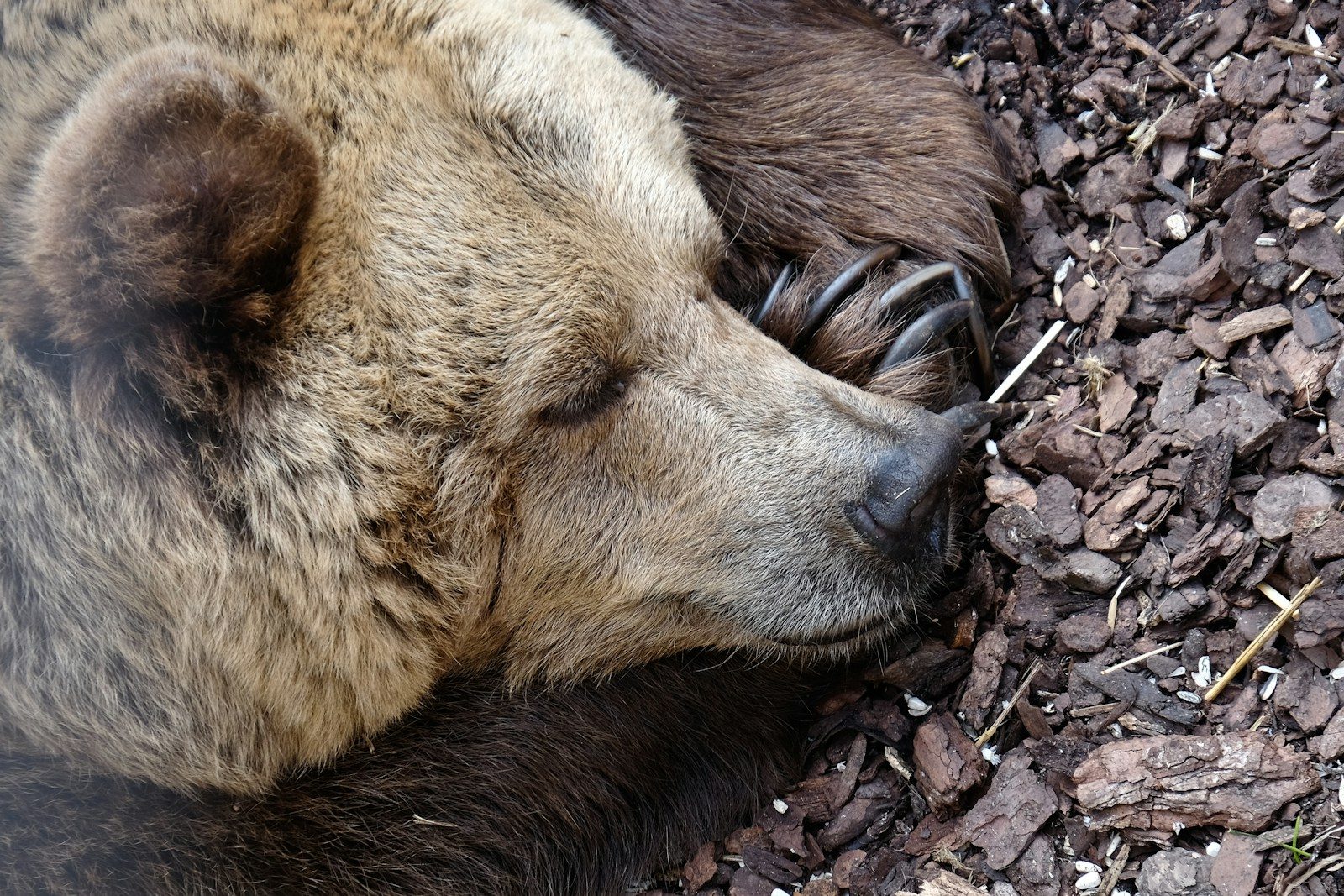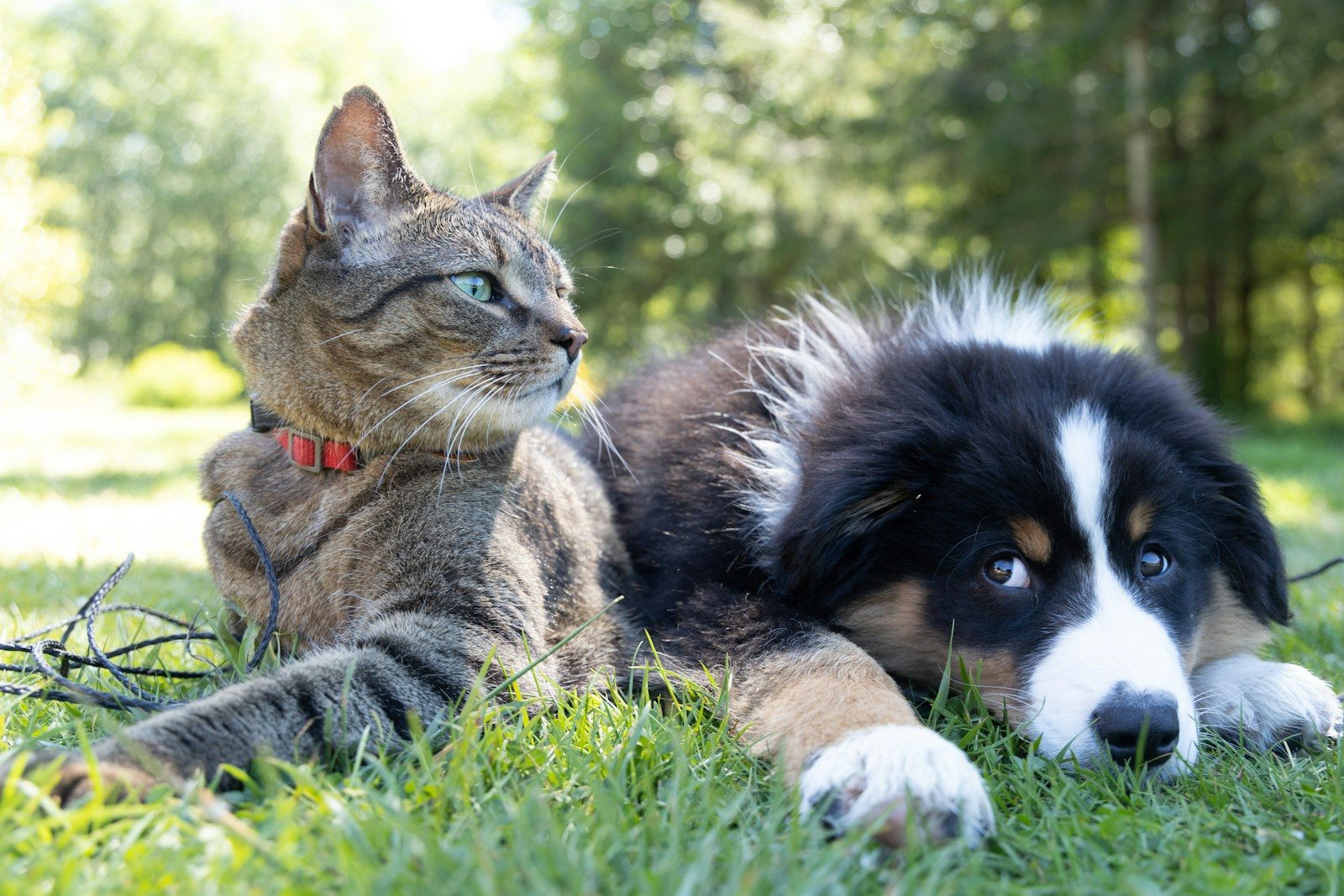
In several parts of the world, changing lifestyles, urbanization, and declining birth rates have led to a surprising demographic shift. In some countries, the number of household pets has grown so rapidly that it now exceeds the population of children.
This trend reflects how pets are increasingly becoming central members of families, especially in developed and aging societies where smaller households are more common.
Japan
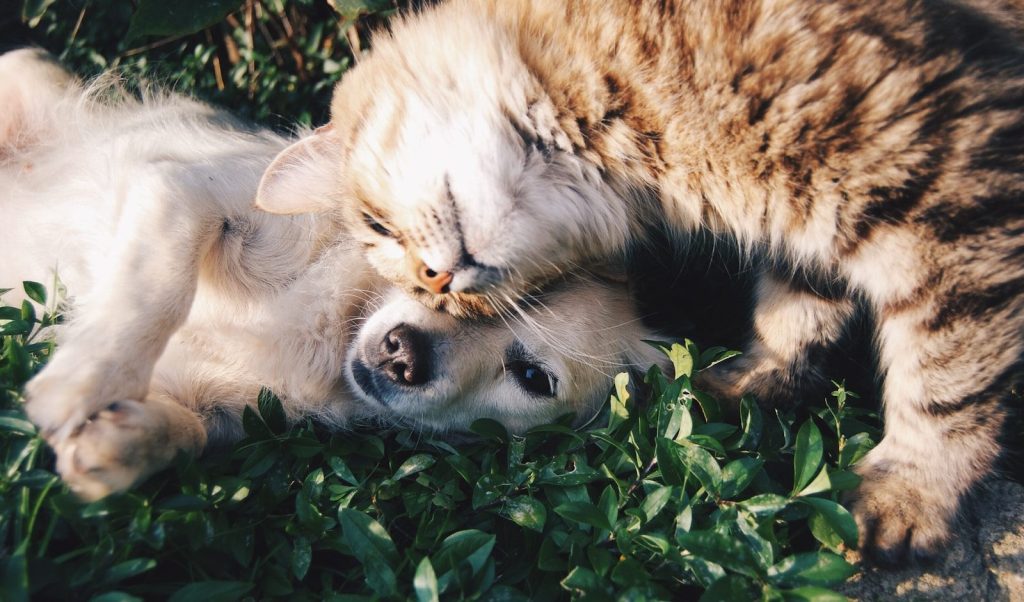
Japan is one of the most well-known examples where pets outnumber children. With a rapidly aging population and one of the lowest birth rates globally, pet ownership has grown significantly.
The country is estimated to have millions more dogs and cats than children under 15. Pets are often seen as emotional companions in smaller households.
United States

In the United States, pets significantly outnumber children. Households across the country own hundreds of millions of cats, dogs, and other companion animals.
This reflects a cultural shift where pets are increasingly treated as family members. Many households own multiple pets even when they have no children.
Germany

Germany is another country where pet ownership is extremely high. Cats and dogs are especially popular in urban households.
With low birth rates and smaller family sizes, pets often fill the emotional role traditionally associated with children. Pet care industries have also expanded rapidly.
United Kingdom

The United Kingdom has a large pet population, particularly dogs and cats. A significant portion of households own at least one pet.
Urban living and changing family structures have contributed to steady growth in pet ownership. Pets are now a common part of everyday household life.
Spain

Spain has also experienced a strong rise in pet ownership. Dogs and cats are widely kept across both urban and rural households.
Declining birth rates have contributed to a growing gap between pets and children. Pets are increasingly considered part of the family unit.
China (Urban Areas)
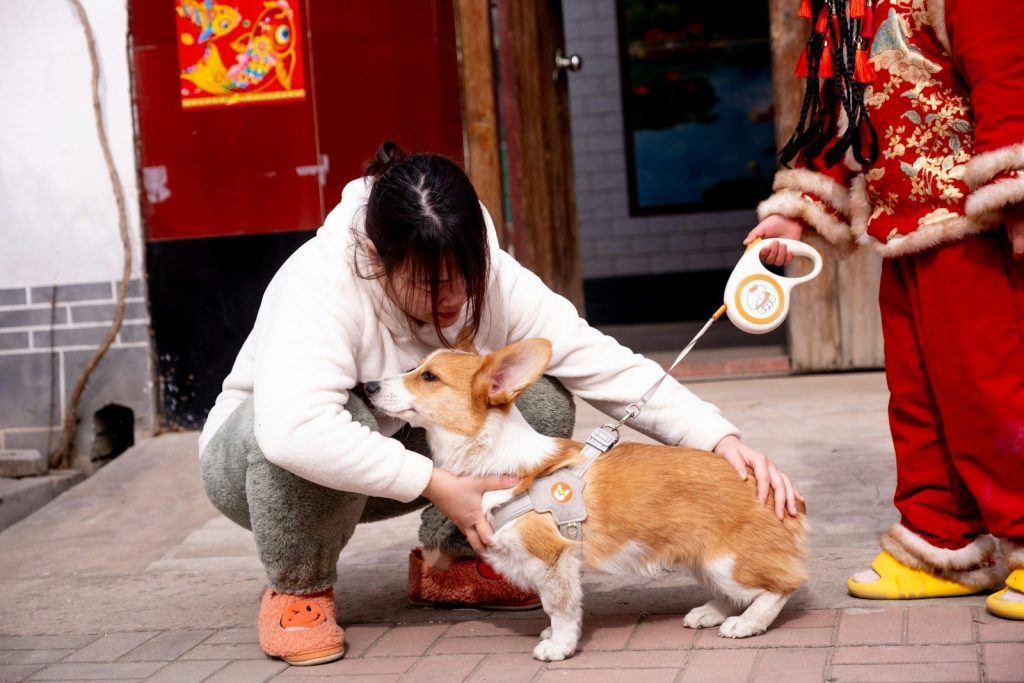
In urban China, pet ownership is growing rapidly. Younger generations are increasingly choosing pets over starting large families.
Some reports suggest that in major cities, pets may already rival or exceed young child populations. This reflects shifting lifestyle and economic pressures.