Anyone who has ever spoken to a pet has probably wondered whether animals truly understand the words we say. While they may not process language the same way humans do, research suggests that many animals can recognize sounds, words, gestures, and even emotional cues, allowing them to communicate with people in surprisingly sophisticated ways.
Animals Listen for More Than Just Words
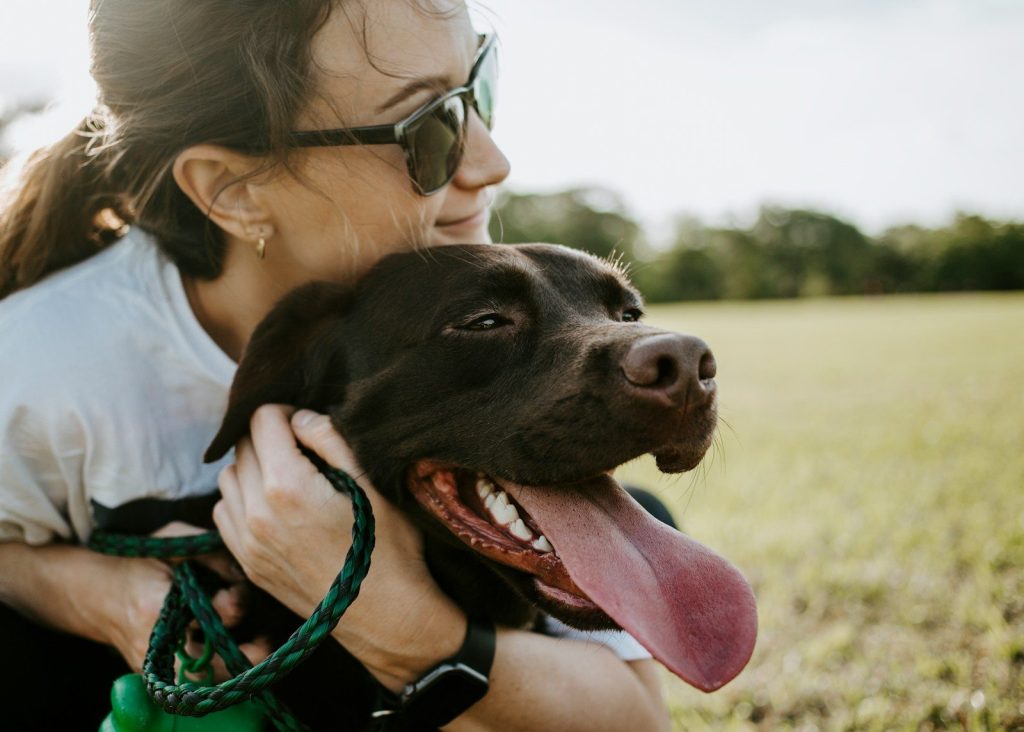
When humans speak, animals often pay attention to much more than vocabulary alone. Tone of voice, facial expressions, body language, and context all help them interpret what a person is trying to communicate. For many species, these signals can be just as important as the words themselves.
Dogs Can Learn Hundreds of Words
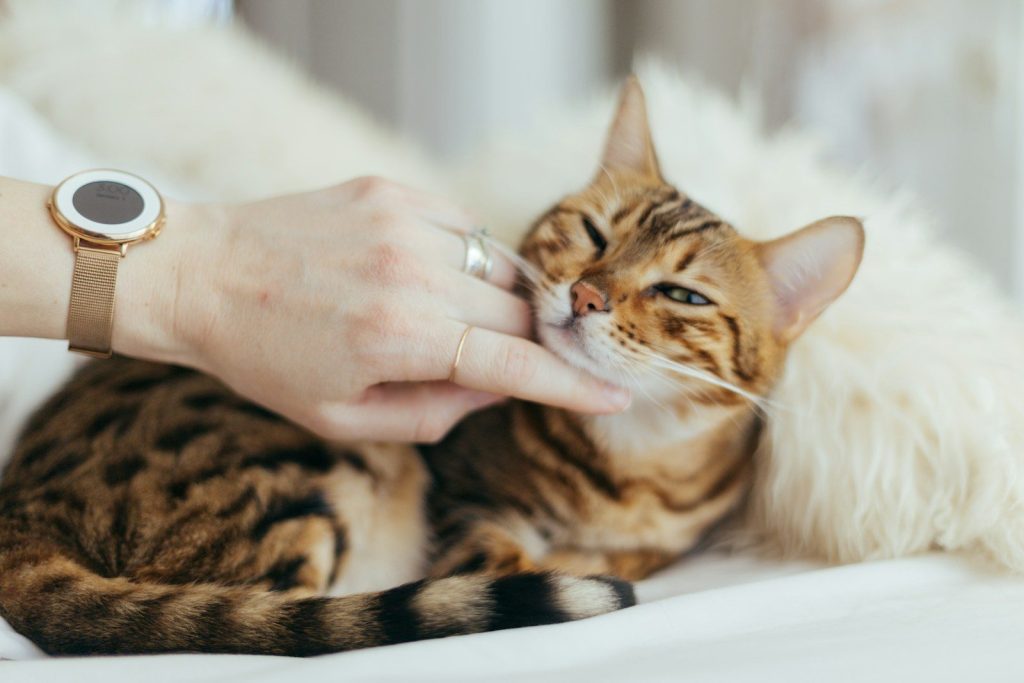
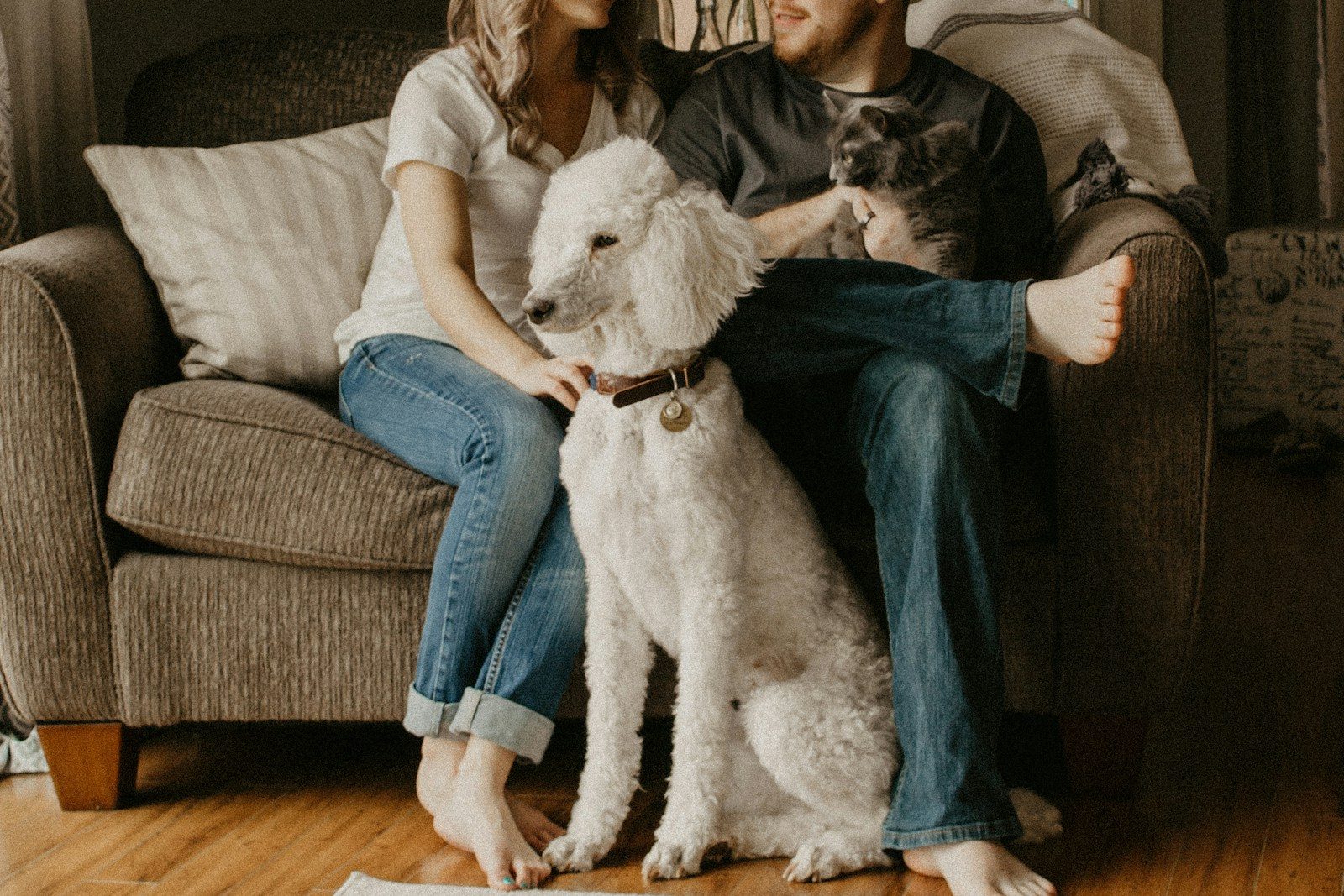
Dogs are among the most studied animals when it comes to understanding human communication. Research has shown that some dogs can learn the names of hundreds of objects and respond correctly when asked to retrieve them. Even dogs with less extensive training often recognize common words associated with food, walks, toys, or family members.
Some Animals Understand Human Gestures
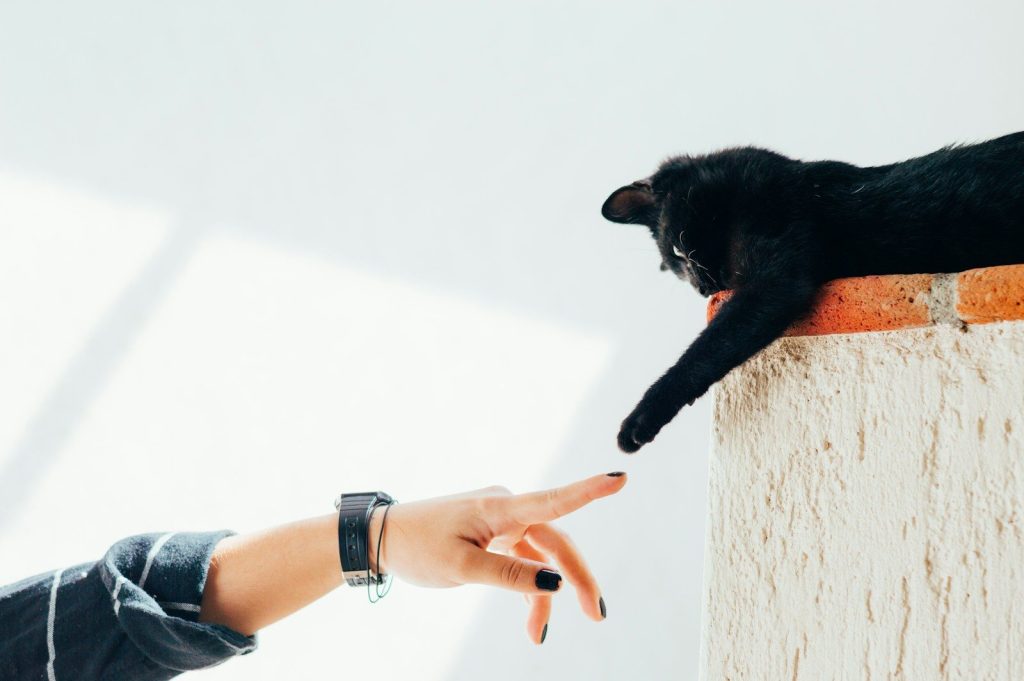
Language is not limited to spoken words. Many animals are remarkably skilled at reading human gestures. Dogs, horses, and even some birds can follow pointing cues and understand where a person is directing their attention. This ability helps animals navigate interactions with humans and often strengthens their bond with caregivers.
Certain Species Show Advanced Communication Skills
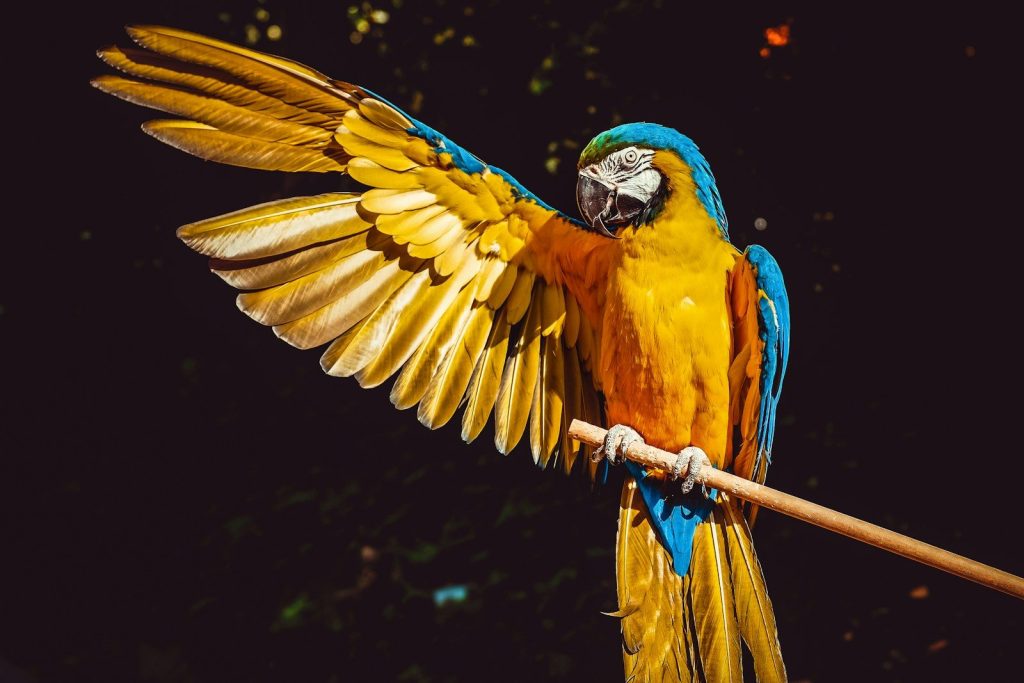
Scientists have found evidence that dolphins, parrots, great apes, and other highly intelligent animals can learn symbolic communication systems. Some have been taught to associate symbols or sounds with objects, actions, and concepts. While this is not the same as human language, it demonstrates an impressive capacity for learning and understanding.
Understanding Has Its Limits
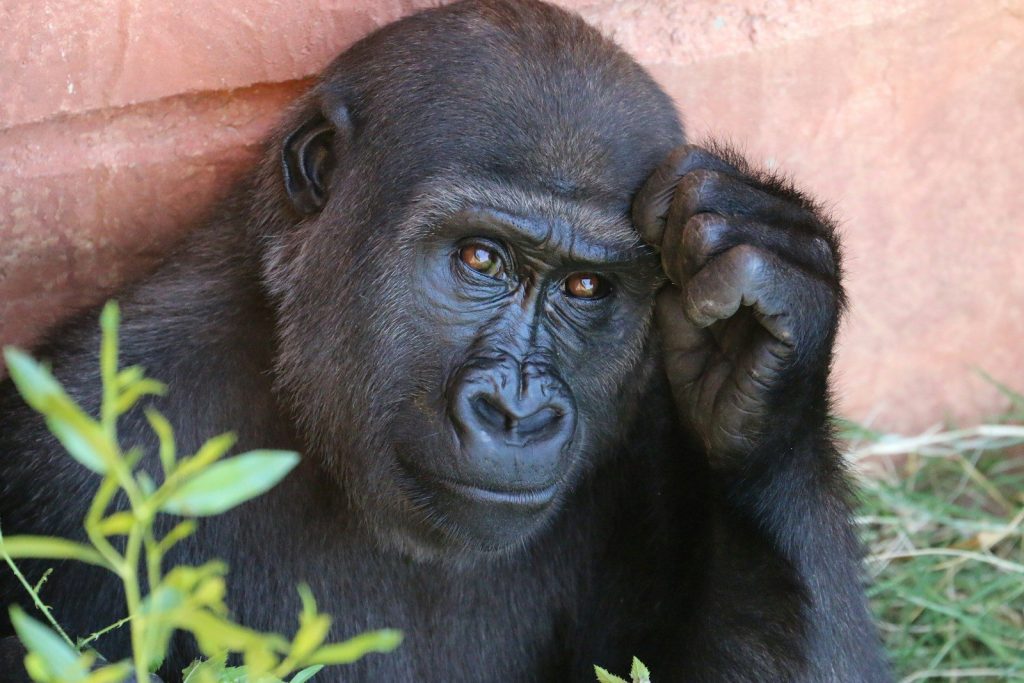
Although animals can recognize words and signals, there is little evidence that they understand language with the complexity of human conversation. They generally respond to associations, patterns, and experiences rather than grammar or abstract discussions. Even so, their ability to communicate with people is often far more advanced than many realize.
The Bond Between Humans and Animals
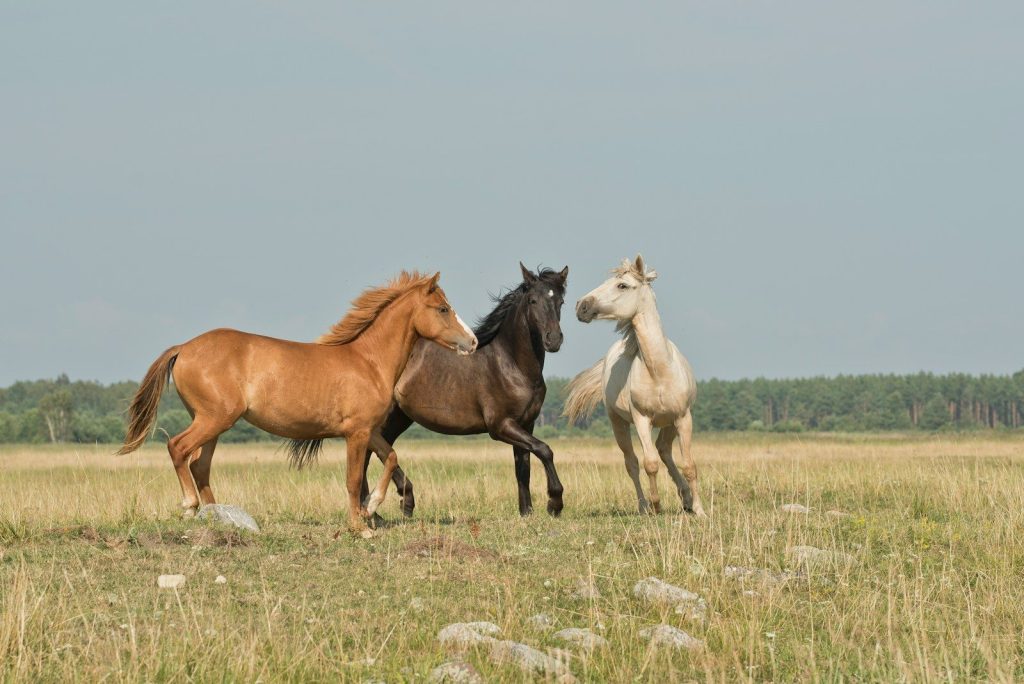
The growing body of research suggests that communication between humans and animals is a two-way process. Animals learn to interpret our voices, gestures, and routines, while humans learn to recognize their behaviors and signals. Whether it’s a dog responding to its name, a parrot mimicking speech, or a horse reacting to a familiar command, these interactions reveal just how connected different species can be