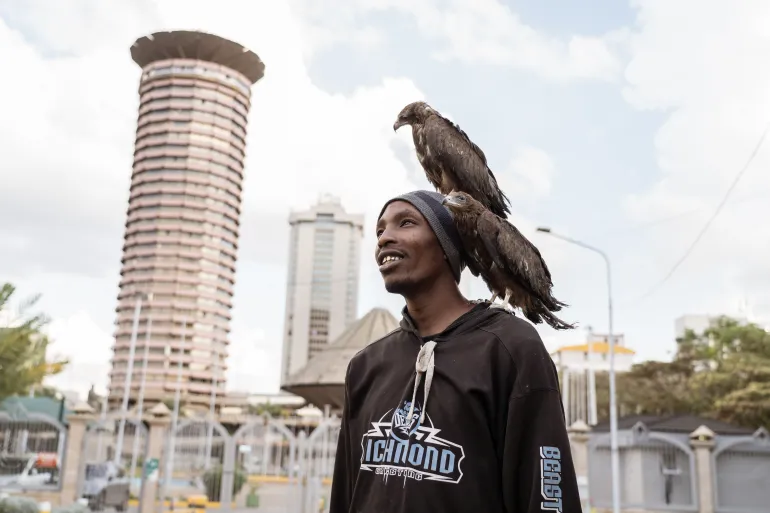
In Nairobi, Kenya, one man has turned his life into a quiet mission of compassion for injured and vulnerable birds. Known locally as the “Birdman of Nairobi,” he rescues birds that are often harmed by telephone wires, pollution, or unintended human feeding. With limited rehabilitation facilities available in the region, his work has become a vital lifeline for wildlife that would otherwise struggle to survive.
A Mission Born from Humble Beginnings
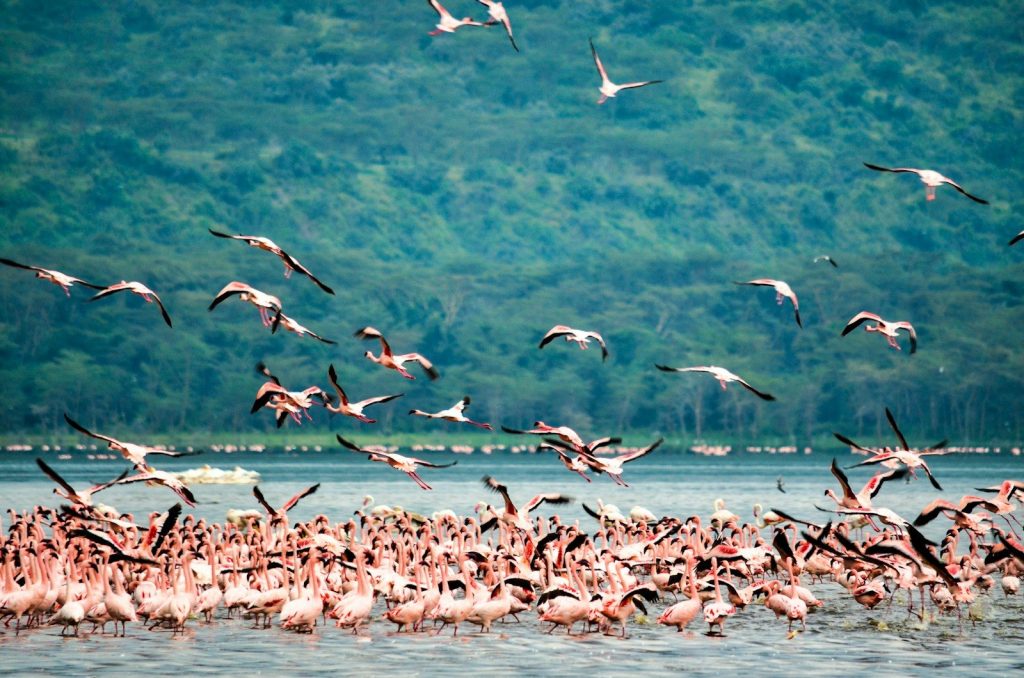
Maguta, once homeless, now shares his home with the birds he has rescued across the city. Although he never formally studied conservation, his deep connection with nature began near Lake Nakuru National Park, where he would spend his free time observing birds and learning about their behavior.
Discovering a Passion for Birds
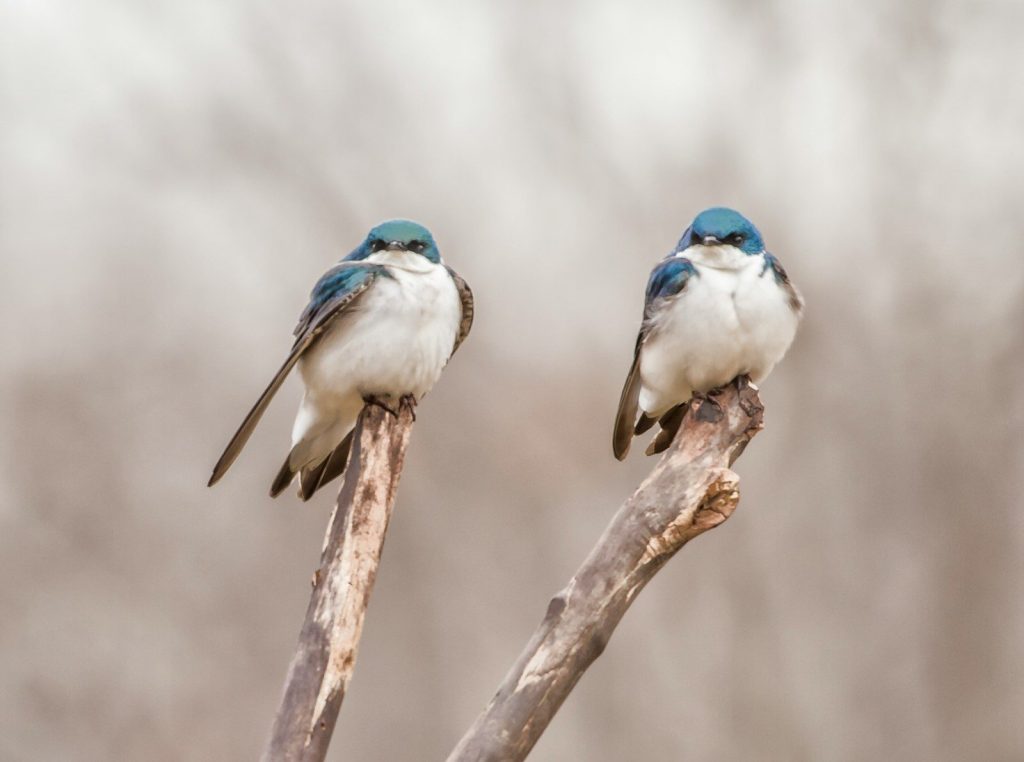
What started as curiosity slowly developed into a lifelong passion. Watching birds in their natural environment inspired him to take action when he saw them in distress, leading him to begin rescuing and caring for injured wildlife around Nairobi.
Rescuing Across Species
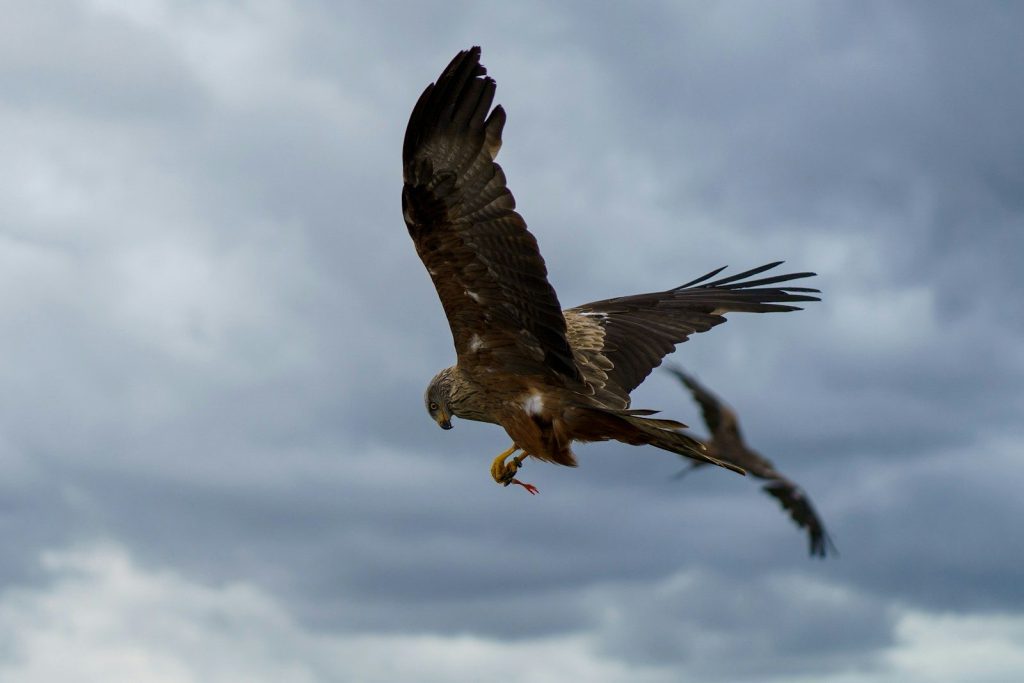
Over time, Maguta has reportedly rescued more than 20 different species of birds. His efforts include caring for Black Kites, crows, African pied crows, owls, marabou storks, and pigeons—each requiring different types of care depending on their injuries and condition.
Nursing the Injured Back to Health
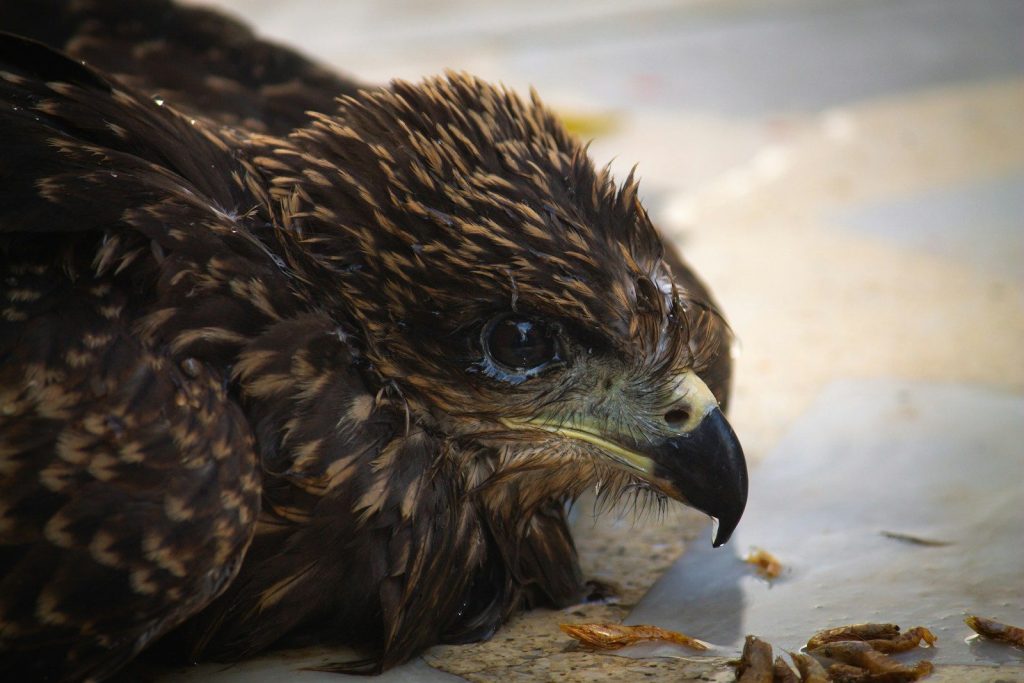
Many of the birds he rescues arrive malnourished, injured, or weakened. Through patience and dedication, he works to rehabilitate them, giving them food, shelter, and a safe environment to recover before they can be released back into the wild whenever possible.
Living Alongside His Rescues
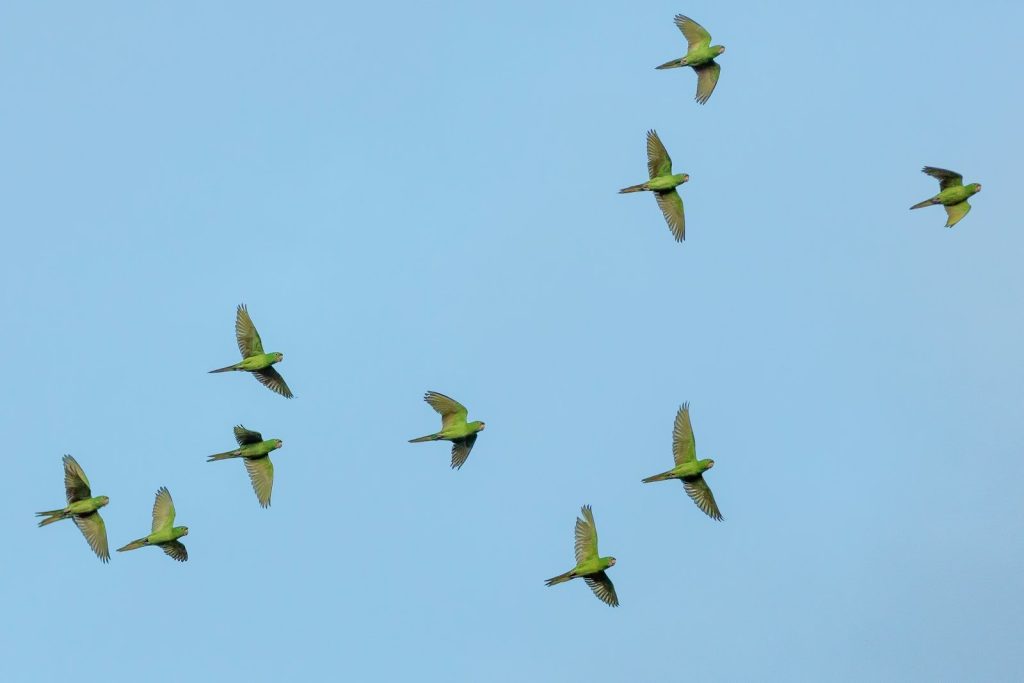
Today, his home has become a temporary refuge for many of the birds he saves. Living alongside his feathered companions, he continues to care for them daily, ensuring they receive the attention they need during recovery.
A Reminder of Quiet Compassion
The story of the “Birdman of Nairobi” highlights how one person’s dedication can make a meaningful difference for wildlife. Without formal training or large resources, his commitment shows that compassion and persistence can become powerful tools for conservation.