
Cats have lived alongside humans for thousands of years, yet many misconceptions about them continue to persist. From old superstitions to misunderstandings about their behavior, these myths often create a false picture of what cats are really like.
Modern research and veterinary science have helped separate fact from fiction, revealing that many popular beliefs about cats are either exaggerated or completely untrue.
Cats Always Land on Their Feet
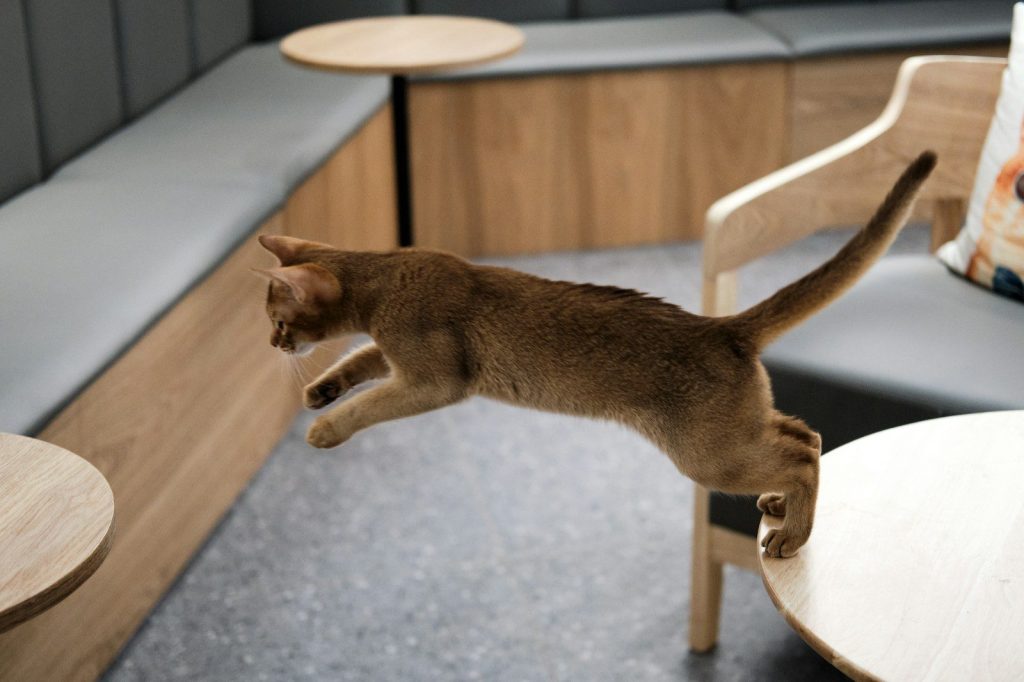
One of the most common myths is that cats always land safely on their feet. While cats have an impressive righting reflex that helps them twist in midair, they can still suffer serious injuries from falls.
The reflex improves their chances of landing correctly, but it does not make them immune to broken bones or other accidents. Height, surface type, and landing conditions all play a role.
Cats Are Completely Independent
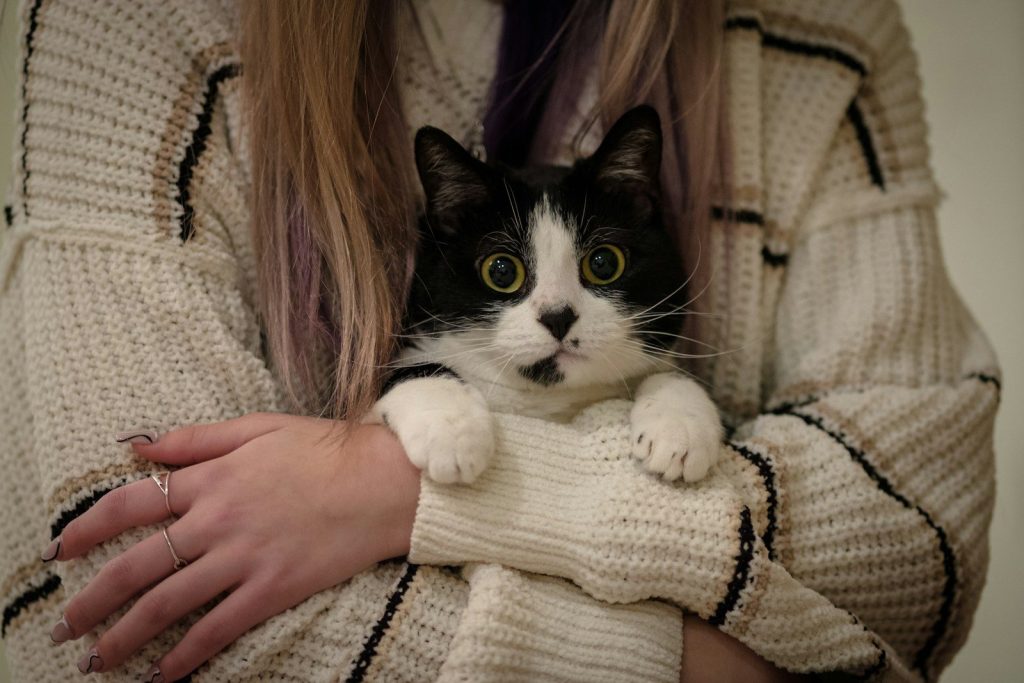
Cats are often portrayed as solitary animals that do not need human attention. While they may be more independent than some pets, many cats form strong emotional bonds with their owners.
They enjoy companionship, interaction, and routine. Some cats even experience stress or anxiety when left alone for extended periods.
Cats Hate Water

Many people believe all cats dislike water. In reality, reactions to water vary widely between breeds and individual animals.
Some cats enjoy playing with running water, while others are known to swim. Their dislike is often linked more to unfamiliar experiences than to water itself.
Cats Only Purr When Happy
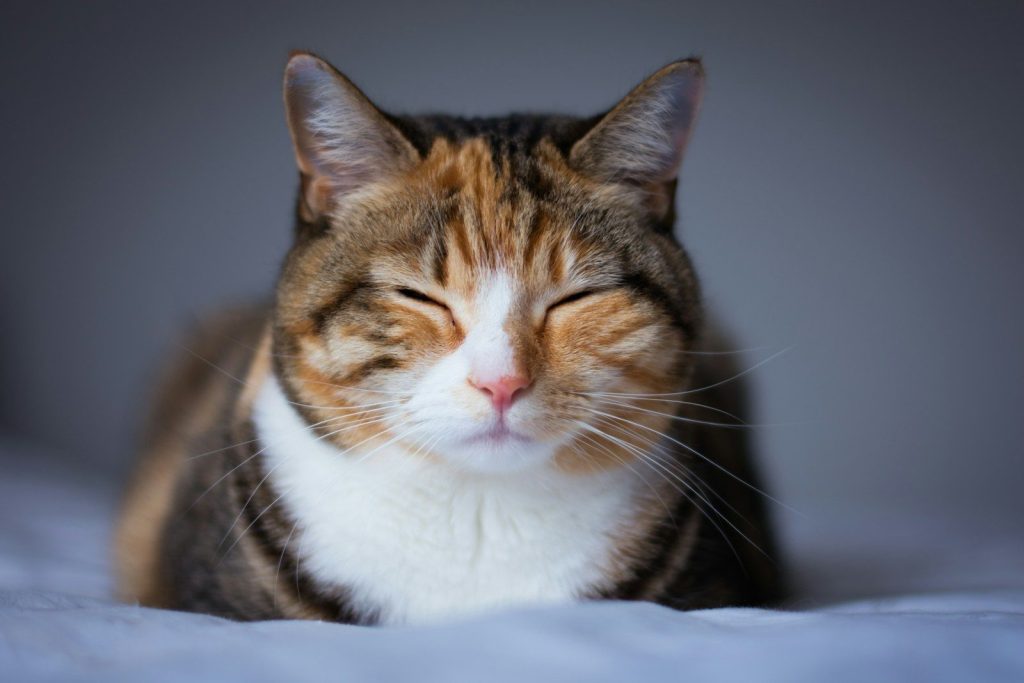
Purring is commonly associated with contentment. However, cats may also purr when they are frightened, injured, stressed, or seeking comfort.
Scientists believe purring can serve multiple purposes, including communication and self-soothing. This means a purring cat is not always a happy cat.
Black Cats Bring Bad Luck
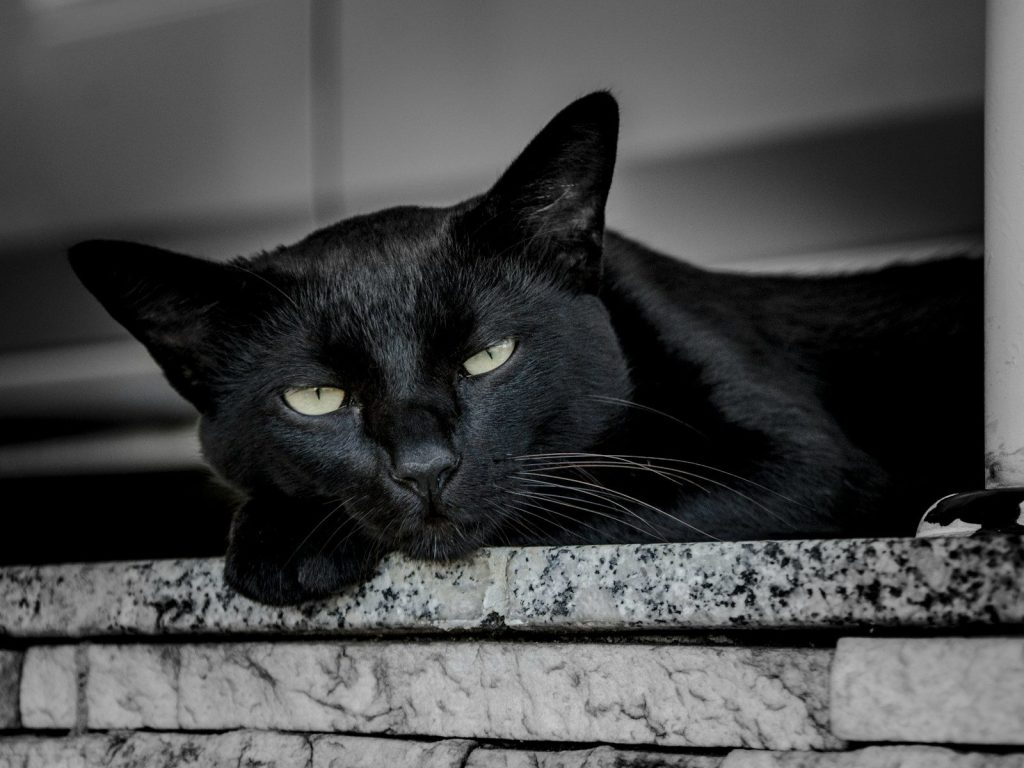
The belief that black cats are unlucky is rooted in old folklore. Different cultures have viewed black cats in very different ways throughout history.
In many places, they are actually considered symbols of good fortune and prosperity. There is no evidence linking a cat’s fur color to luck.
Indoor Cats Don’t Need Veterinary Care
Some owners assume indoor cats are naturally protected from health problems. While they face fewer outdoor dangers, they can still develop illnesses, dental issues, and age-related conditions.
Regular veterinary checkups remain important for maintaining long-term health. Preventive care can help detect problems before they become serious.