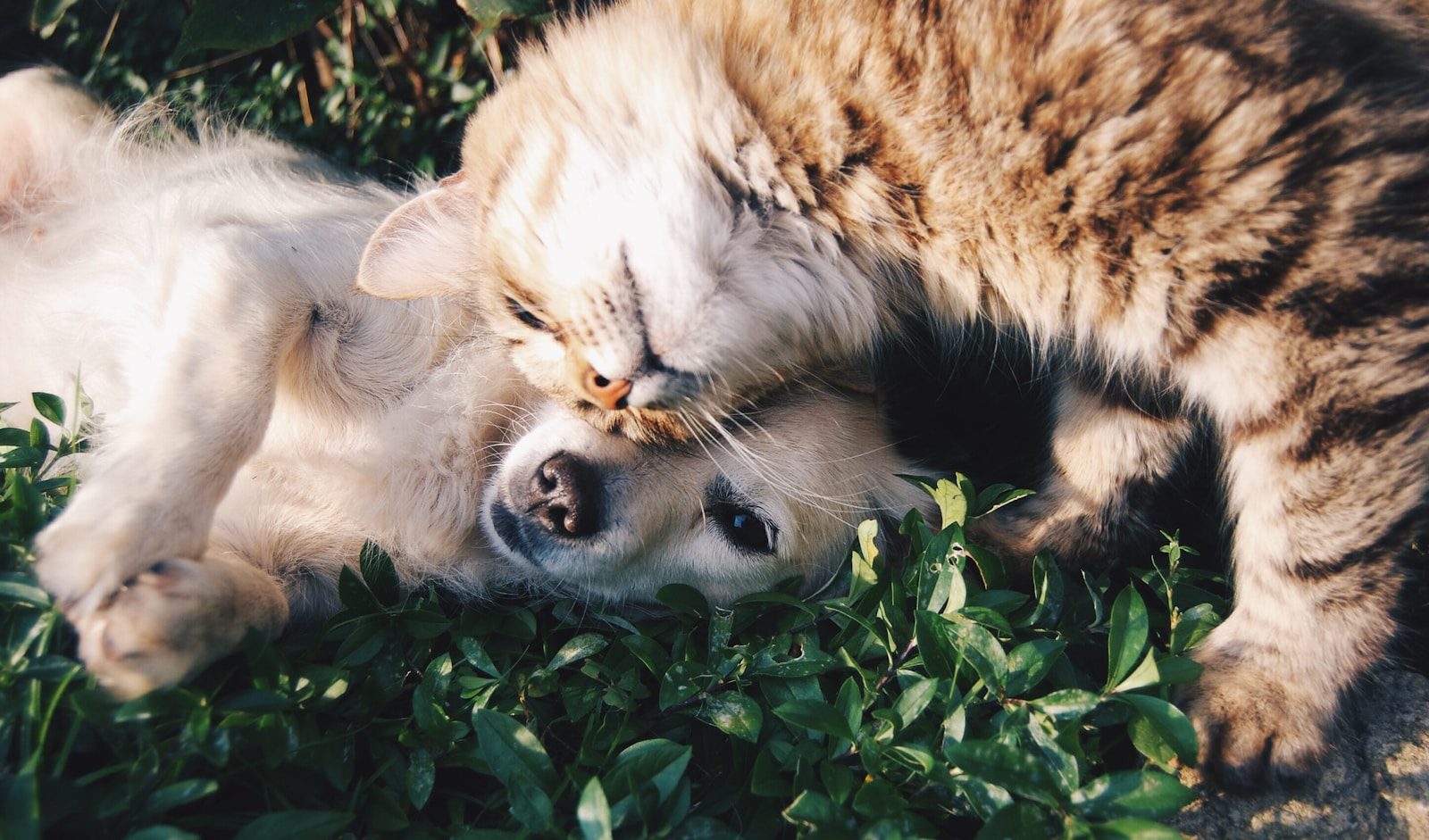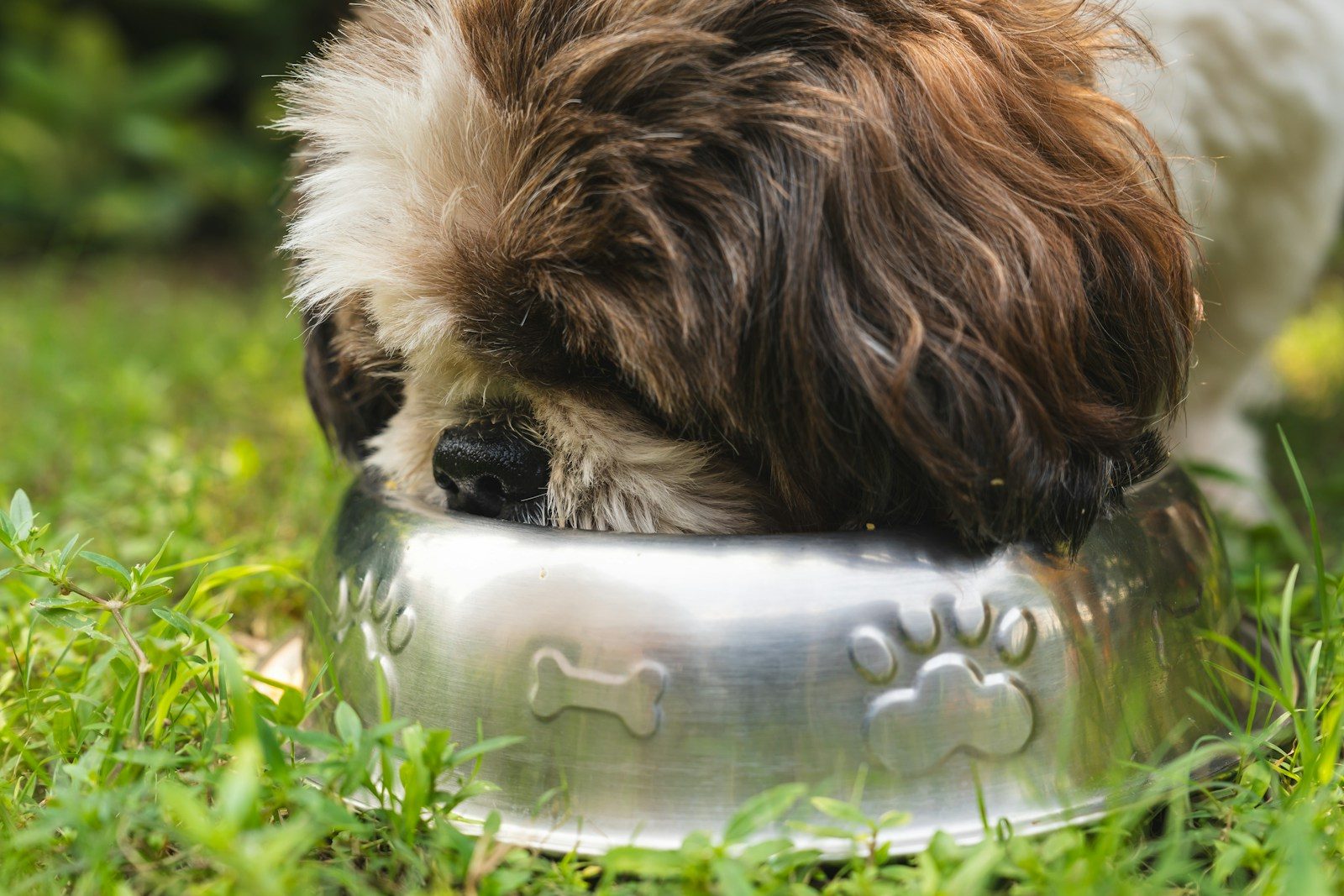
Millions of pet owners may be putting their dogs, cats, and even themselves at risk by following increasingly popular raw food diets. While marketed as natural and beneficial, veterinarians warn these diets can carry serious bacterial threats that are easily spread at home. The risks extend beyond pets, potentially exposing entire households to harmful infections.
Hidden Bacteria in Raw Pet Diets
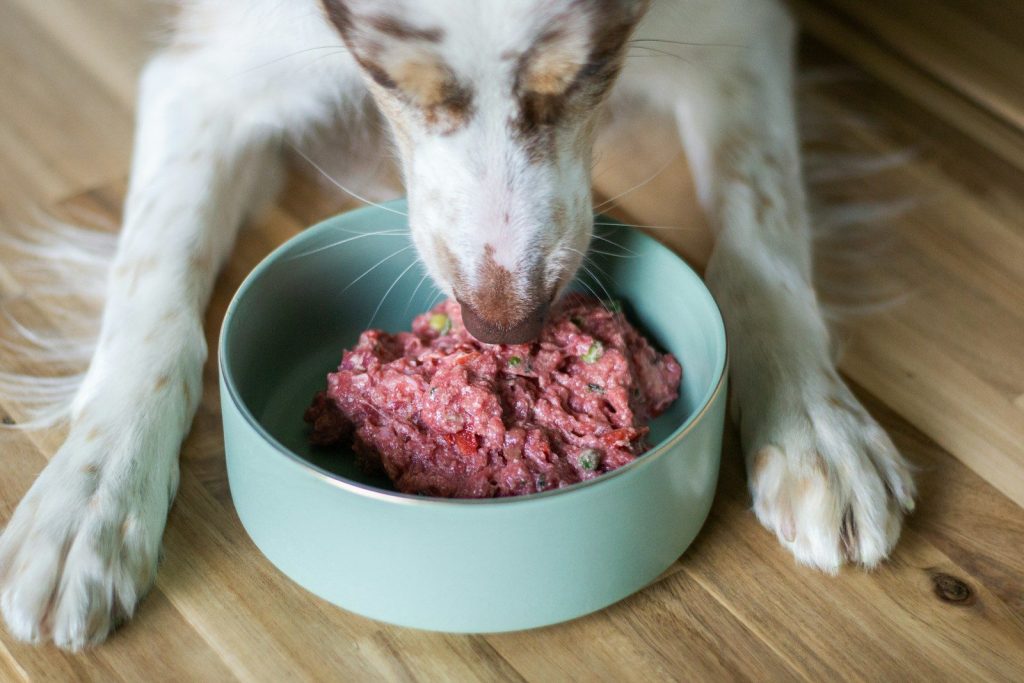
Raw pet food can contain dangerous pathogens such as Salmonella, E. coli, Listeria, and Campylobacter. These bacteria can survive in raw meat, eggs, and unprocessed animal products commonly used in pet diets. Studies have found contamination in both pet food bowls and animal waste, showing how easily infection can spread.
Pets consuming contaminated food may not always show immediate symptoms, making the danger harder to detect. Even healthy-looking animals can shed bacteria in their feces, spreading infection throughout the home environment. This silent transmission increases the risk for every member of the household.
How Infections Spread From Pets to People

Humans can become infected simply by handling raw pet food or cleaning contaminated bowls without proper hygiene. Bacteria can transfer from hands to kitchen surfaces, clothing, and household items. Once inside the home, these pathogens can persist for days or even weeks.
This makes immunocompromised individuals, children, and elderly family members especially vulnerable. Even routine feeding habits can become a source of exposure if proper sanitation is not followed. Experts stress that raw feeding is not as risk-free as many pet owners believe.
Serious Health Risks Linked to Common Pathogens

Salmonella infection can cause vomiting, diarrhea, fever, and abdominal pain in both pets and humans. In severe cases, it may spread into the bloodstream and lead to life-threatening complications. E. coli infections can also result in kidney failure due to toxin release.
Listeria is particularly dangerous for pregnant women and vulnerable individuals, sometimes leading to miscarriage or severe neurological illness. Campylobacter can trigger intense gastrointestinal symptoms and, in rare cases, long-term neurological damage. These risks highlight how quickly a simple feeding choice can become a health issue.
Why Raw Diets Became Popular Despite the Risks
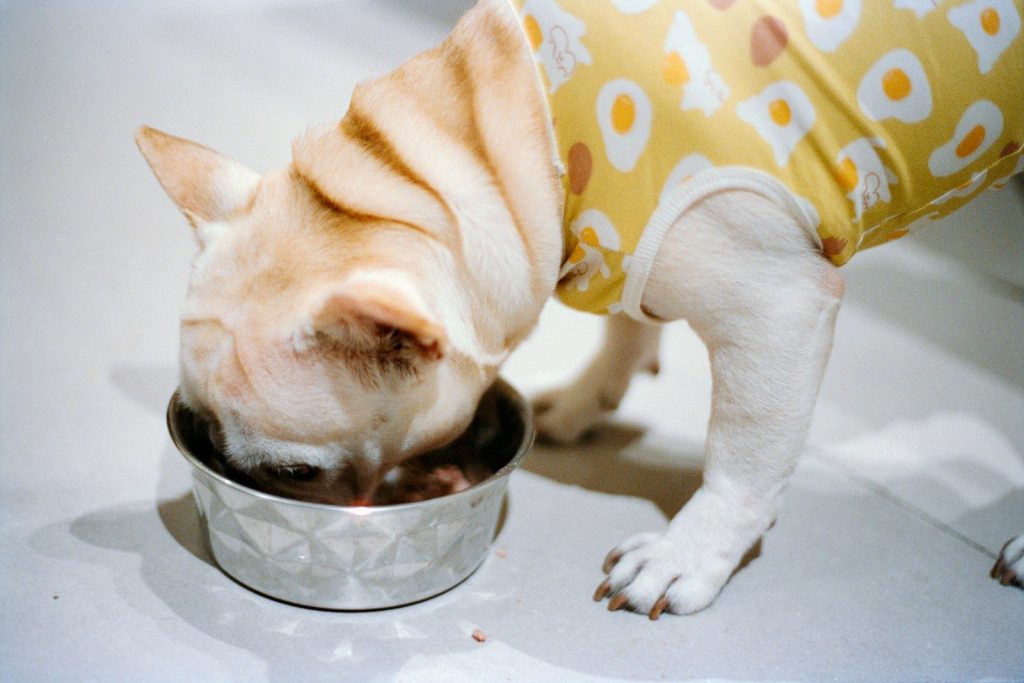
Many pet owners choose raw diets because they believe they more closely resemble ancestral eating habits. Marketing claims often suggest improved coat health, energy, and digestion, which appeal to concerned owners. However, veterinarians argue these claims are not supported by strong scientific evidence.
Experts also point out that dogs and cats have evolved away from strict wild diets. Domestic pets digest nutrients differently than wolves or wild felines, making raw feeding unnecessary for most animals. Balanced commercial diets are typically designed to meet all nutritional needs safely.
Emerging Concerns From Real-World Outbreaks
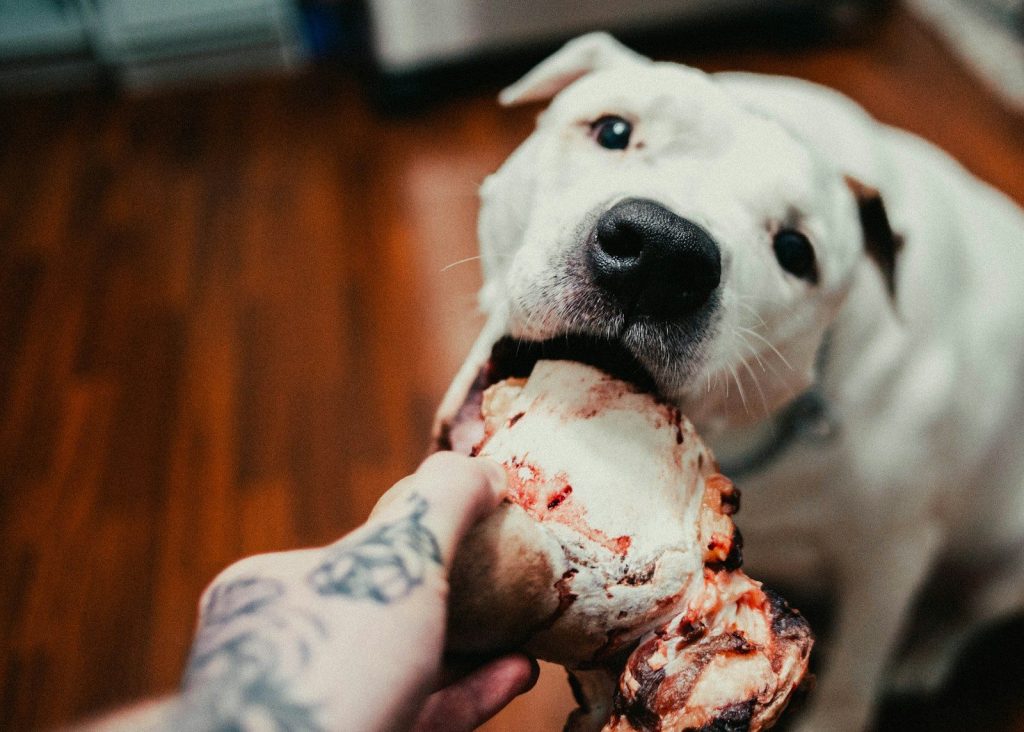
Recent health incidents have raised additional alarm, including infections linked to contaminated raw pet food products. Cases involving bird flu and bacterial outbreaks have resulted in serious illness and even death in household pets. Authorities have issued warnings after tracing infections back to specific raw food brands.
Veterinary experts emphasize that freezing or dehydration does not reliably eliminate dangerous bacteria. This means even processed raw products can still carry infectious organisms. These findings have intensified calls for stricter regulation and better public awareness.
How Pet Owners Can Reduce the Risk

Experts recommend thorough handwashing after handling pet food or waste to reduce contamination risks. Cleaning bowls, utensils, and feeding areas with disinfectant is also essential to prevent bacterial spread. Keeping raw food separate from human food preparation areas can further reduce exposure.
Pet owners are also advised to reconsider raw feeding altogether in favor of balanced commercial diets. If raw diets are used, they should be handled with extreme caution and proper veterinary guidance. Awareness and hygiene remain the strongest defenses against infection.