Skip to content

Recent Posts

  • Dog Breeds That Might Not Match Every Lifestyle
  • When a Dog and Kitten Form an Unbreakable Bond That Survives Separation
  • Could Cuddling Your Cat When Stressed Actually Make You Feel Worse?
  • Millions of Pet Owners Unknowingly Risk Dangerous Infections Through Raw Feeding Trends
  • Tiny Kitten Waited Under A Car For The Officer Who Tried To Save Him

Most Used Categories

  • Nature & Wildlife (311)
  • Risk (46)
  • Human Interest (21)
  • Hunting (17)
  • Survival (15)
  • Bees/Swarms fear (13)
  • Exotic Animals (10)
  • Suspense (6)
  • Adventure (3)
  • Gears (2)
Skip to content
  • About Us
  • Contact Us
  • Disclaimer
  • Privacy Policy
  • Terms & Conditions

Hive Hunters Tales

  • Suspense
  • Nature & Wildlife
  • Human Interest
  • Hunting
  • Bees/Swarms fear
  • Exotic Animals
  • Risk
  • Survival
  • Adventure
  • Gears
  • Home
  • Nature & Wildlife
  • Could Cuddling Your Cat When Stressed Actually Make You Feel Worse?
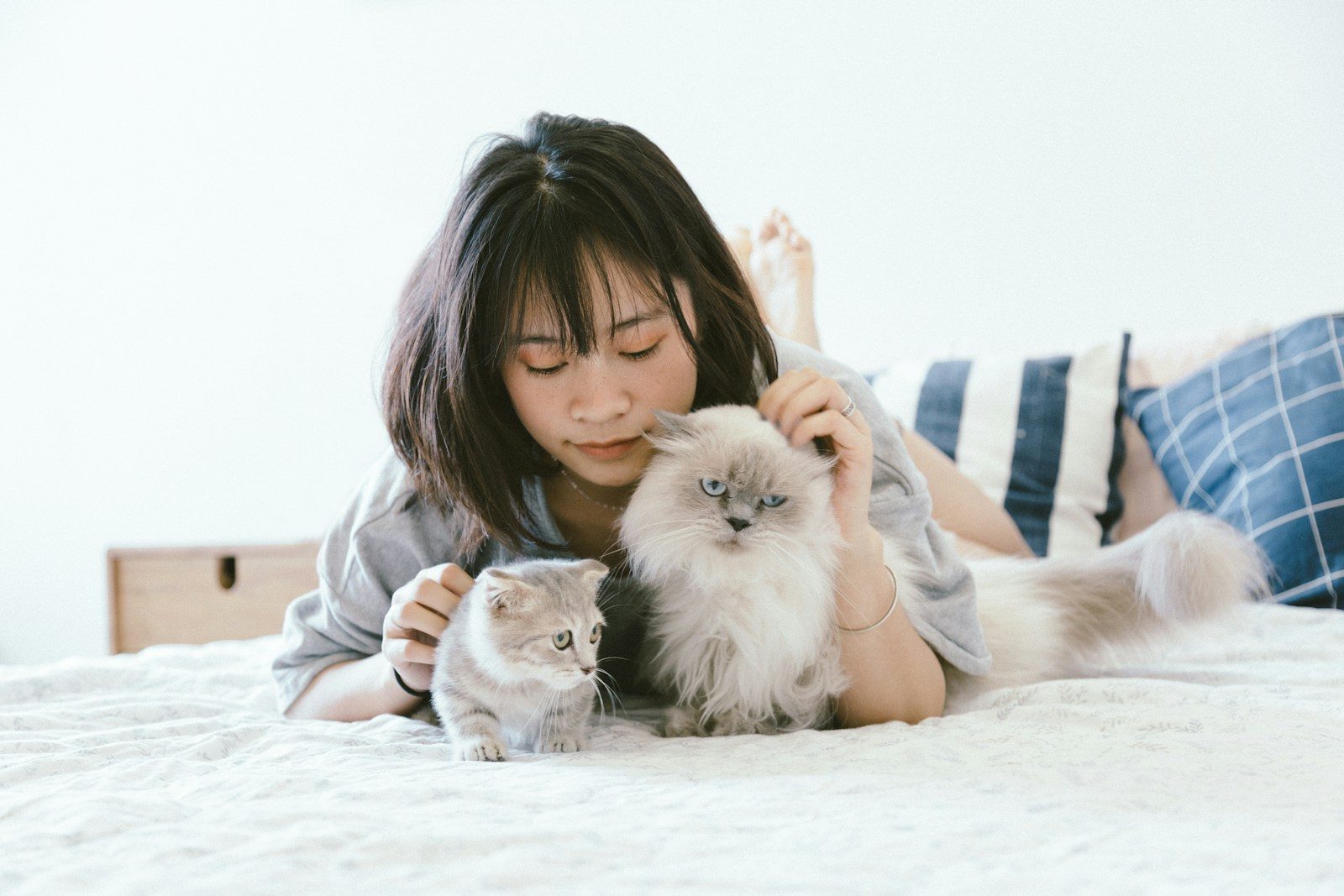
woman lying beside two kittens

Could Cuddling Your Cat When Stressed Actually Make You Feel Worse?

JakeJune 21, 2026June 21, 2026

Many people turn to their pets for comfort during difficult moments, believing that cuddling a cat can help reduce stress and improve emotional wellbeing. Cats are often valued for their calming presence, gentle companionship, and ability to provide comfort without demanding much in return.

However, emerging research suggests that the relationship between stress and pet interaction may be more complex than many people realize. In some situations, seeking comfort from a cat while feeling highly stressed could have unexpected effects on both the owner and the pet.

Stress Can Influence How We Interact With Pets
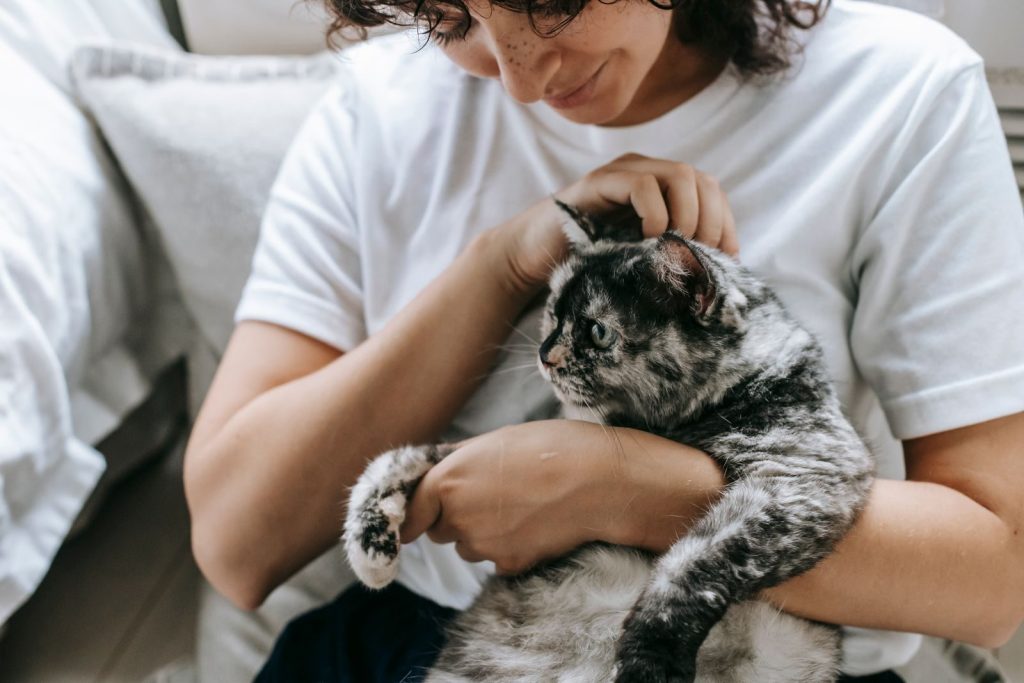
Tender female owner wearing white t shirt petting cute dappled cat while sitting on floor near bed in light room
Photo by Sam Lion on Pexels

When people feel overwhelmed, they often seek physical closeness and reassurance from their pets. This can lead to increased cuddling, holding, or attention seeking behavior.

While these actions may feel comforting initially, stress can also affect body language, tone of voice, and emotional energy. Pets may respond differently depending on how they perceive these changes.

Cats Are Sensitive to Human Emotions
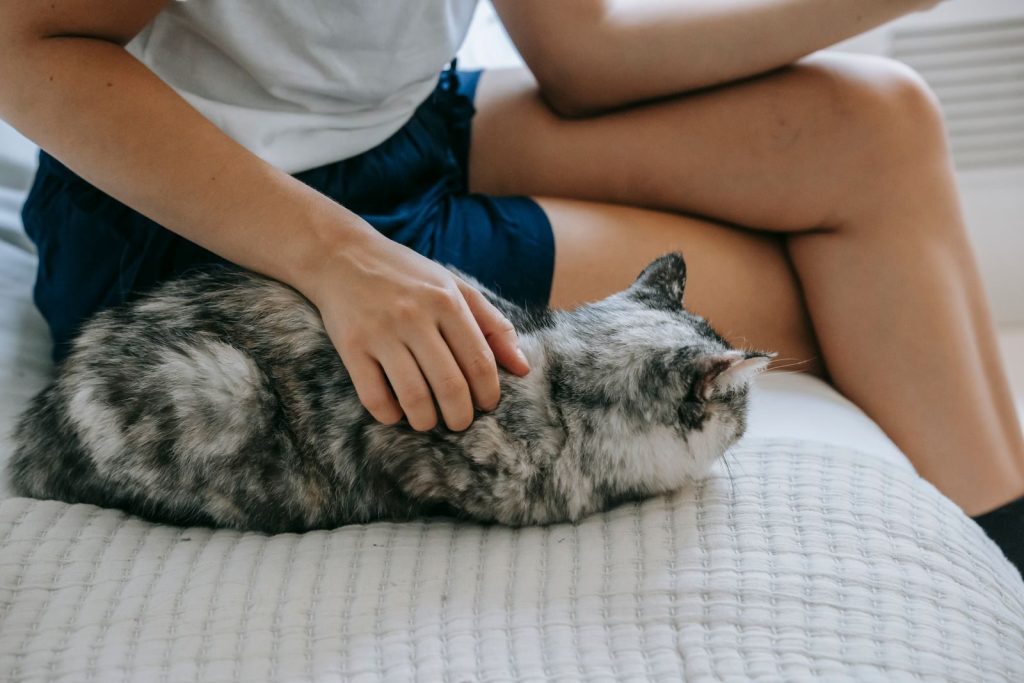
Side view crop female wearing casual outfit sitting on comfortable bed and caressing cute cat gray fluffy fur
Photo by Sam Lion on Pexels

Cats are highly observant animals that can pick up on changes in human behavior and routine. They often notice shifts in mood, activity levels, and emotional states.

Because of this sensitivity, some cats may react to a stressed owner by becoming cautious, withdrawn, or unusually attentive. Their response varies based on personality and past experiences.

Not Every Cat Enjoys Physical Affection
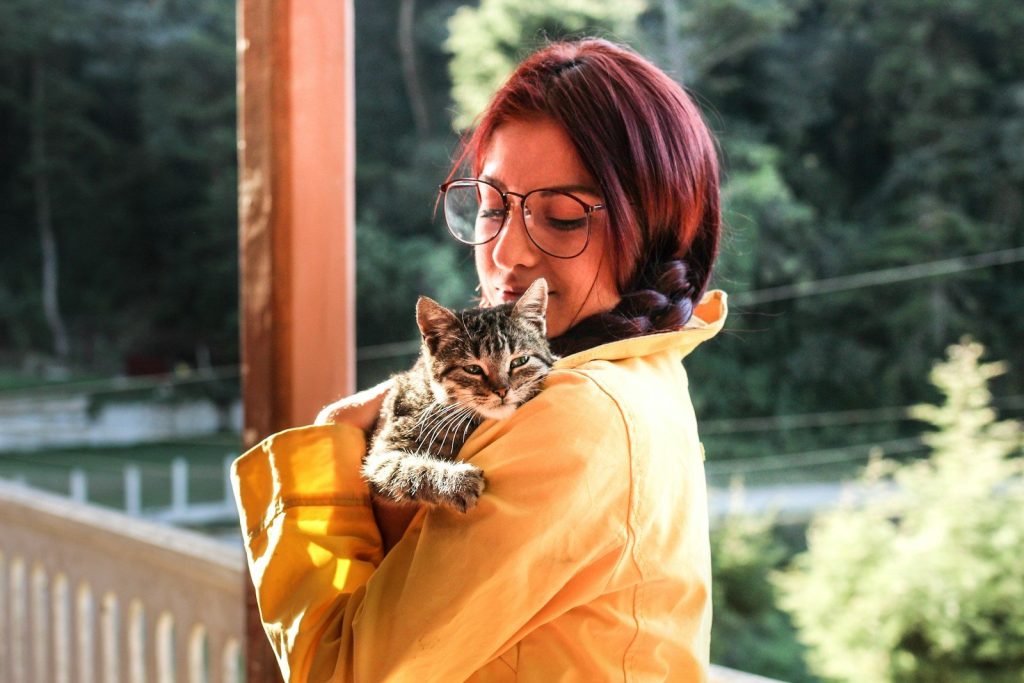
woman carrying cat while standing on porch
Photo by Mel ElĂ­as on Unsplash

Although some cats love being held and cuddled, others prefer affection on their own terms. Forcing physical contact when a cat is not receptive can create tension rather than comfort.

If a cat shows signs of discomfort, the interaction may become less relaxing for both the pet and the owner. Respecting boundaries is important for maintaining trust.

Expectations Can Affect Emotional Outcomes
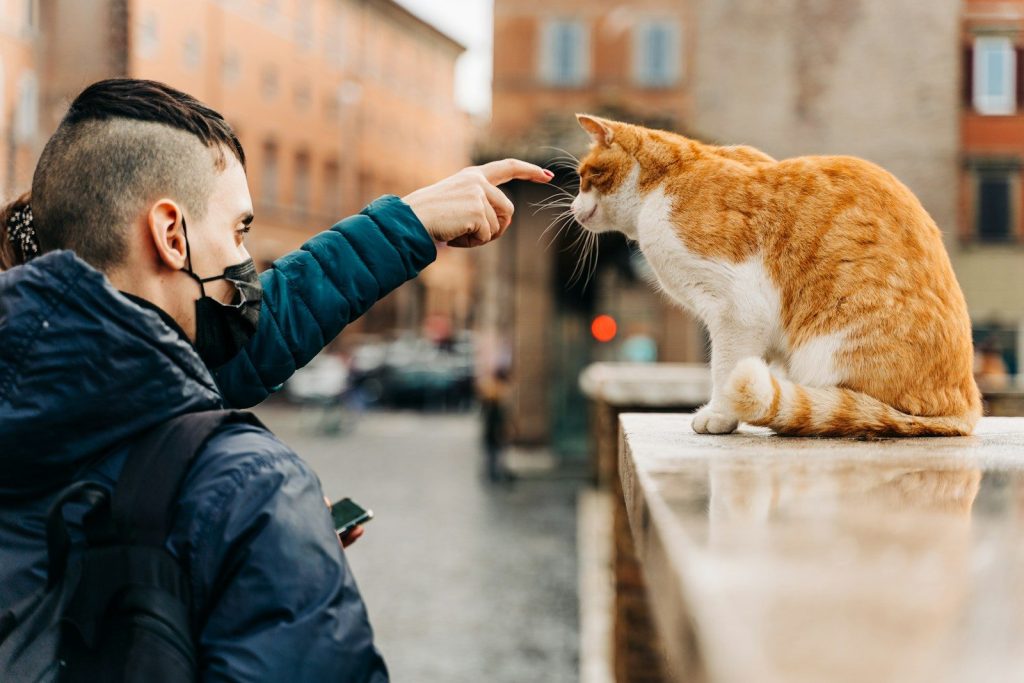
man in black jacket holding orange and white cat
Photo by Gabriella Clare Marino on Unsplash

People often expect pets to provide immediate emotional relief during stressful situations. When the interaction does not meet those expectations, feelings of frustration or disappointment can increase.

This can create a cycle where the owner feels even more stressed despite seeking comfort. Emotional wellbeing is influenced by many factors beyond pet companionship alone.

Cats May React to Tension in the Environment
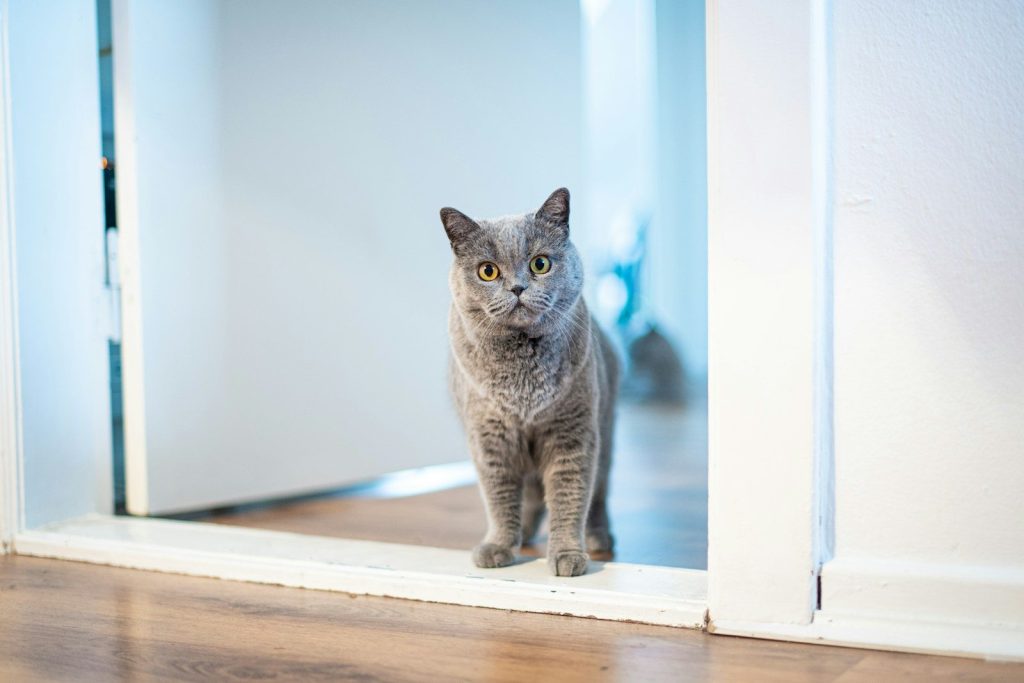
long-fur brown cat standing near opened-door door
Photo by Marjan Grabowski on Unsplash

Stress within a household can affect pets as well as people. Changes in routine, increased noise, or emotional tension may alter a cat’s behavior.

Some cats become more affectionate during these times, while others prefer solitude. Understanding individual preferences can help owners respond appropriately.

Gentle Interaction May Be More Effective Than Constant Cuddling
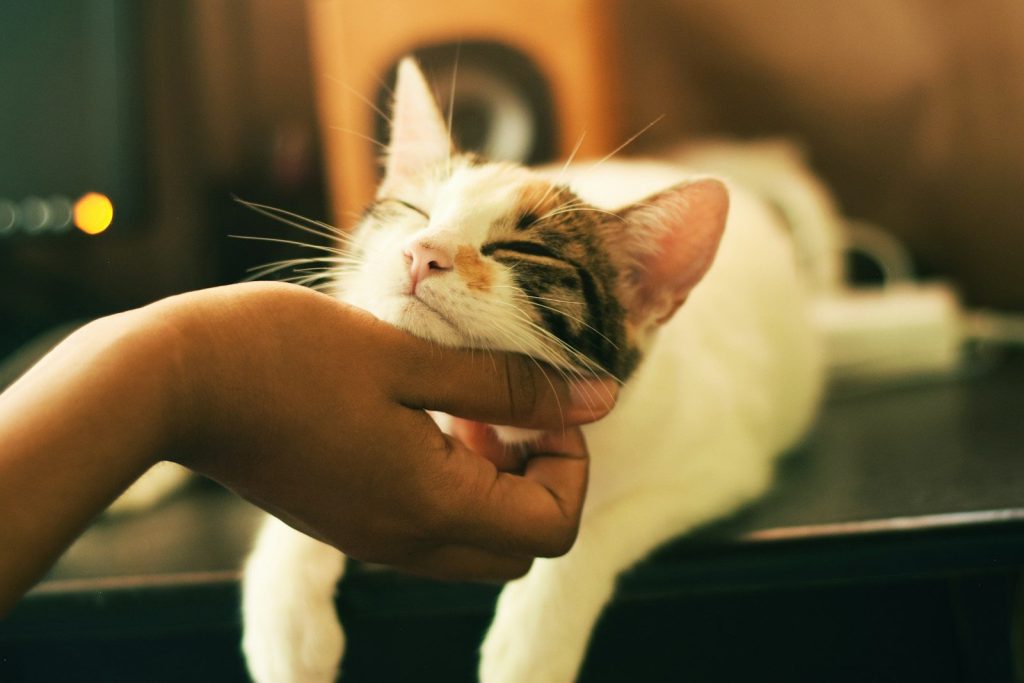
shallow focus photography of white and brown cat
Photo by Yerlin Matu on Unsplash

Many cats enjoy quiet companionship more than prolonged physical contact. Sitting near a cat, petting it gently, or engaging in calm play may feel more natural than excessive cuddling.

These low pressure interactions can strengthen the bond between owner and pet. They may also provide emotional benefits without creating discomfort.

Post navigation

Previous: Millions of Pet Owners Unknowingly Risk Dangerous Infections Through Raw Feeding Trends
Next: When a Dog and Kitten Form an Unbreakable Bond That Survives Separation

Related Posts

Dalmatian dog standing on a rock in a scenic outdoor setting in Slovakia.

Dog Breeds That Might Not Match Every Lifestyle

June 21, 2026June 21, 2026 Jake
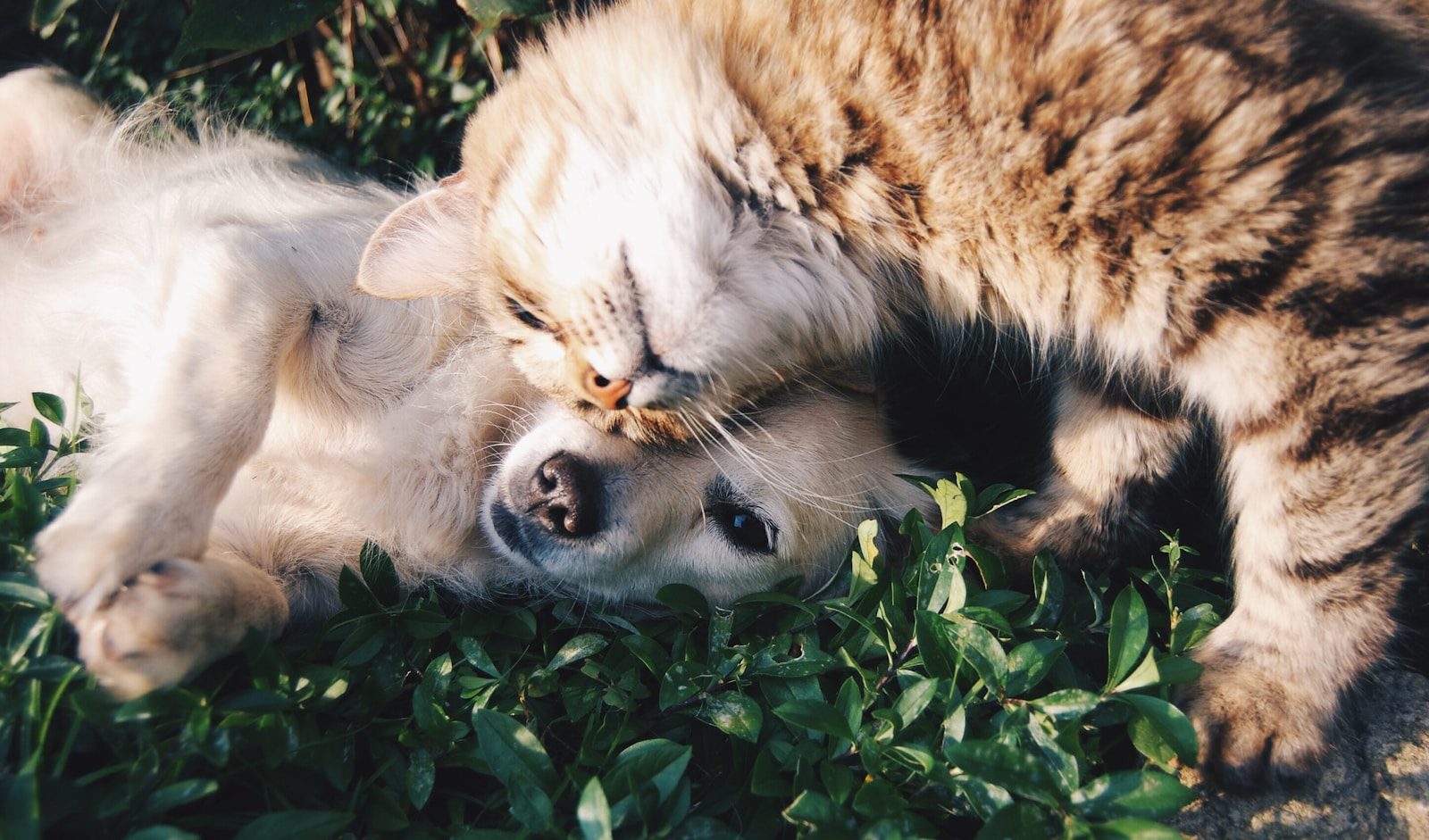
white dog and gray cat hugging each other on grass

When a Dog and Kitten Form an Unbreakable Bond That Survives Separation

June 21, 2026June 21, 2026 Jake
a brown and white dog eating out of a metal bowl

Millions of Pet Owners Unknowingly Risk Dangerous Infections Through Raw Feeding Trends

June 21, 2026June 21, 2026 Jake

Leave a Reply Cancel reply

Your email address will not be published. Required fields are marked *

Recent Posts

  • Dog Breeds That Might Not Match Every Lifestyle
  • When a Dog and Kitten Form an Unbreakable Bond That Survives Separation
  • Could Cuddling Your Cat When Stressed Actually Make You Feel Worse?
  • Millions of Pet Owners Unknowingly Risk Dangerous Infections Through Raw Feeding Trends
  • Tiny Kitten Waited Under A Car For The Officer Who Tried To Save Him
Copyright All Rights Reserved | Theme: BlockWP by Candid Themes.