Cats have lived alongside humans for thousands of years, yet many misconceptions about them continue to circulate today. From assumptions about their behavior to beliefs about their health and personalities, numerous myths have shaped how people view these popular pets.
While some of these ideas originated from folklore and tradition, modern research and everyday experience have shown that many of them are inaccurate. Understanding the facts can help owners build better relationships with their feline companions.
Cats Are Completely Independent
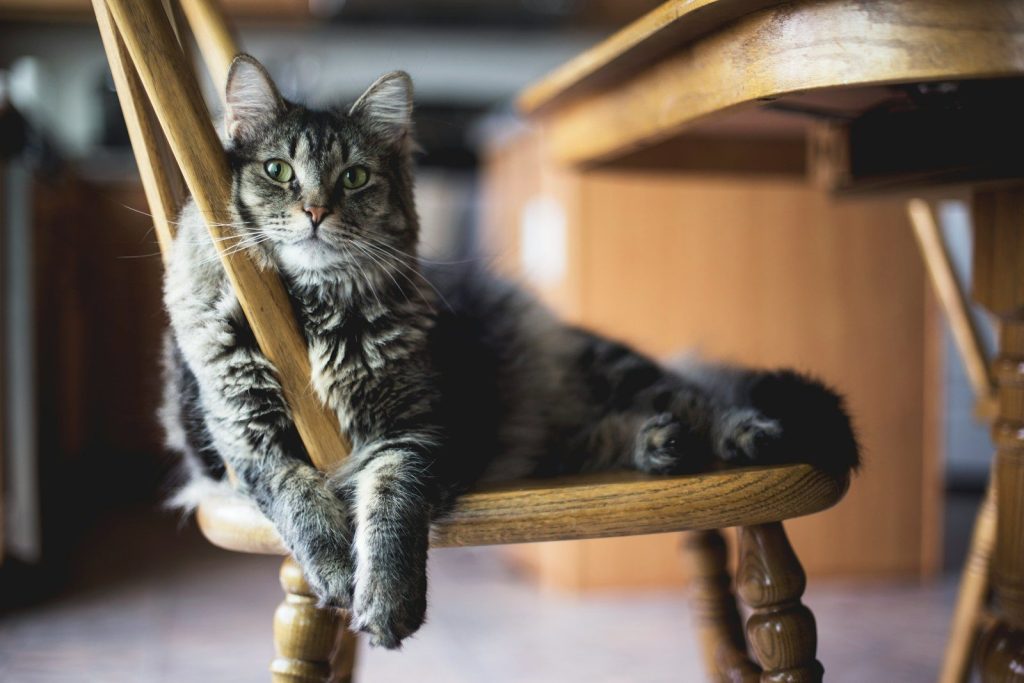
Many people believe cats do not need attention because they are entirely self sufficient. While cats are generally more independent than some other pets, they still require social interaction and companionship.
Many cats form strong bonds with their owners and enjoy spending time with family members. Their affection may simply be expressed in more subtle ways.
Cats Always Land on Their Feet
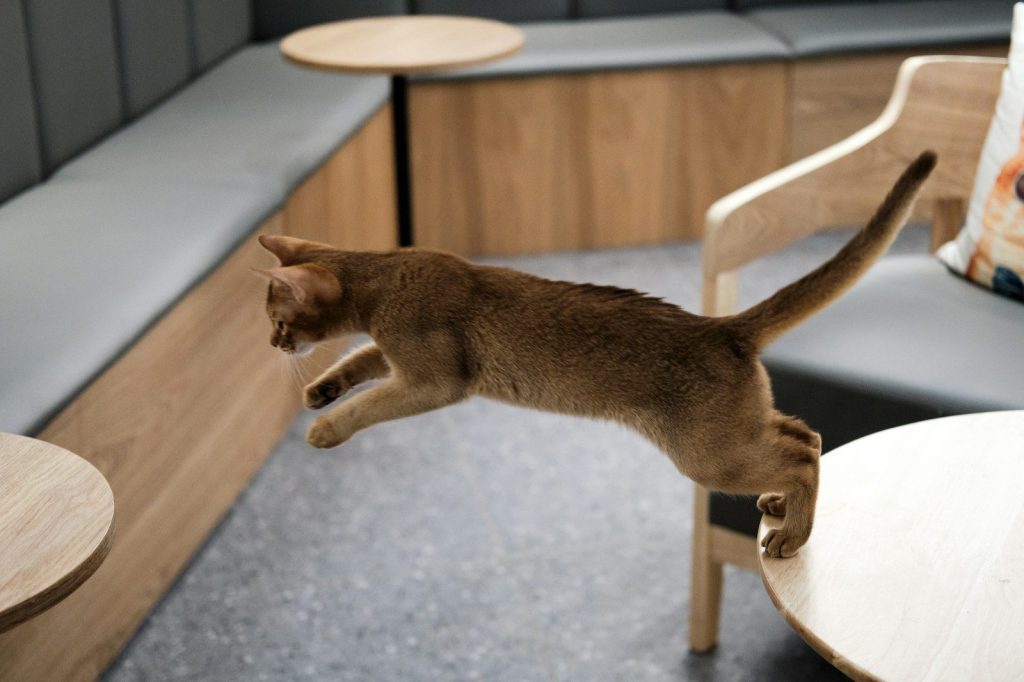
Cats possess an impressive righting reflex that helps them reorient themselves during a fall. However, this does not guarantee that they will always land safely.
Falls from certain heights can still result in serious injuries. Owners should not assume cats are immune to accidents.
A Purring Cat Is Always Happy
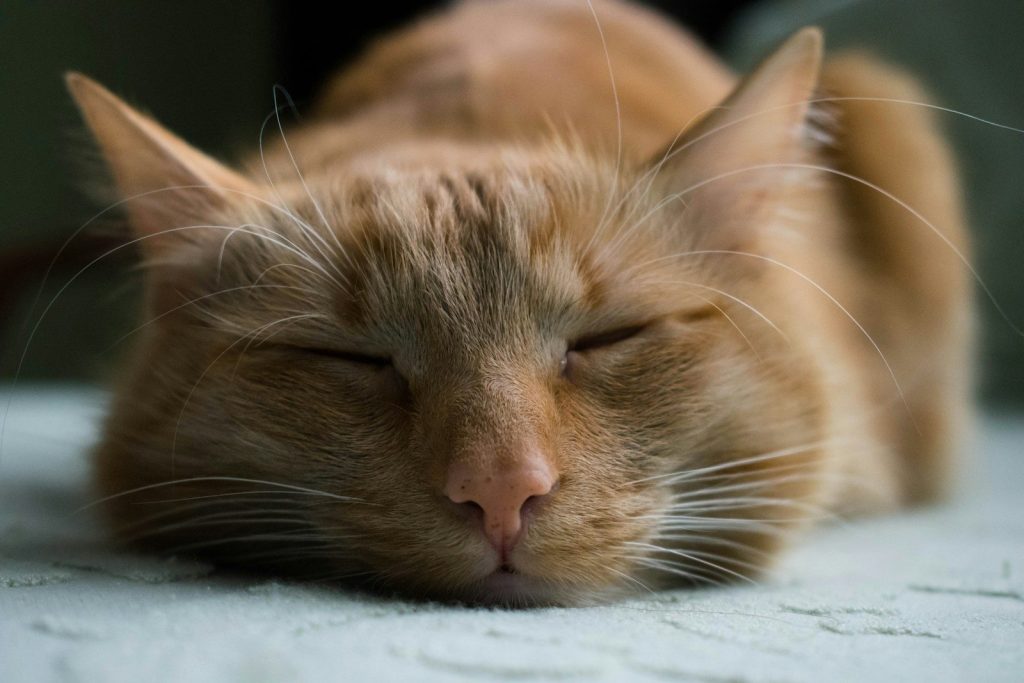
Purring is often associated with contentment, but cats may purr for several reasons. Some cats purr when they are anxious, injured, or seeking comfort.
The sound can serve as a form of self soothing behavior. Context is important when interpreting what a cat’s purr means.
Cats Hate Water
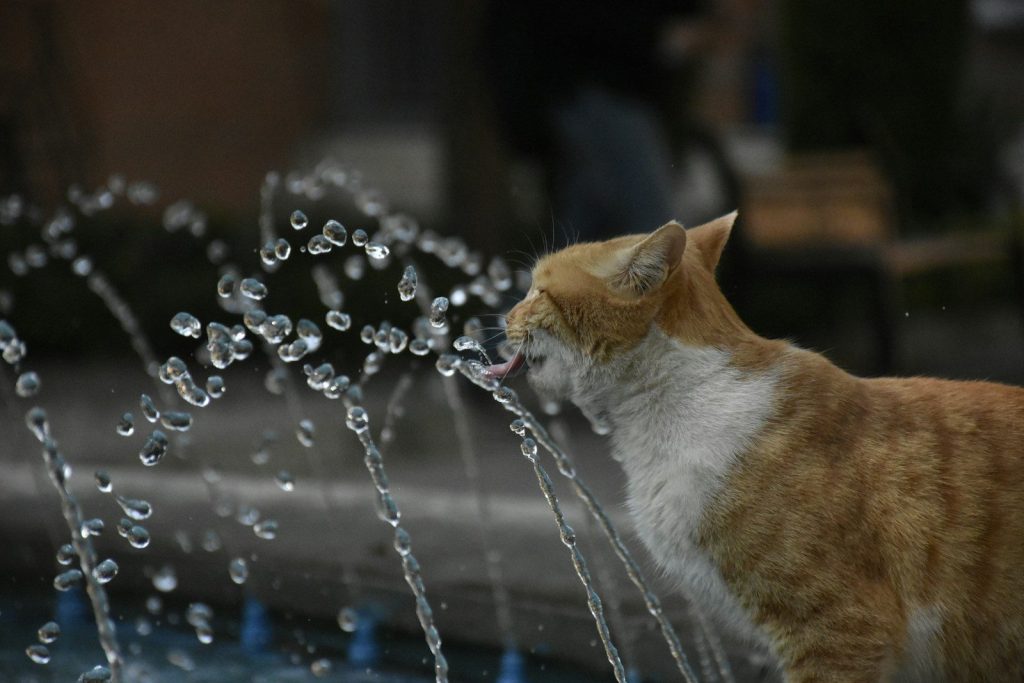
Not all cats dislike water. While many prefer to stay dry, some breeds and individual cats actually enjoy playing in or around water.
Experiences, personality, and breed characteristics can influence how a cat reacts. Generalizations do not apply to every feline.
Cats Cannot Be Trained
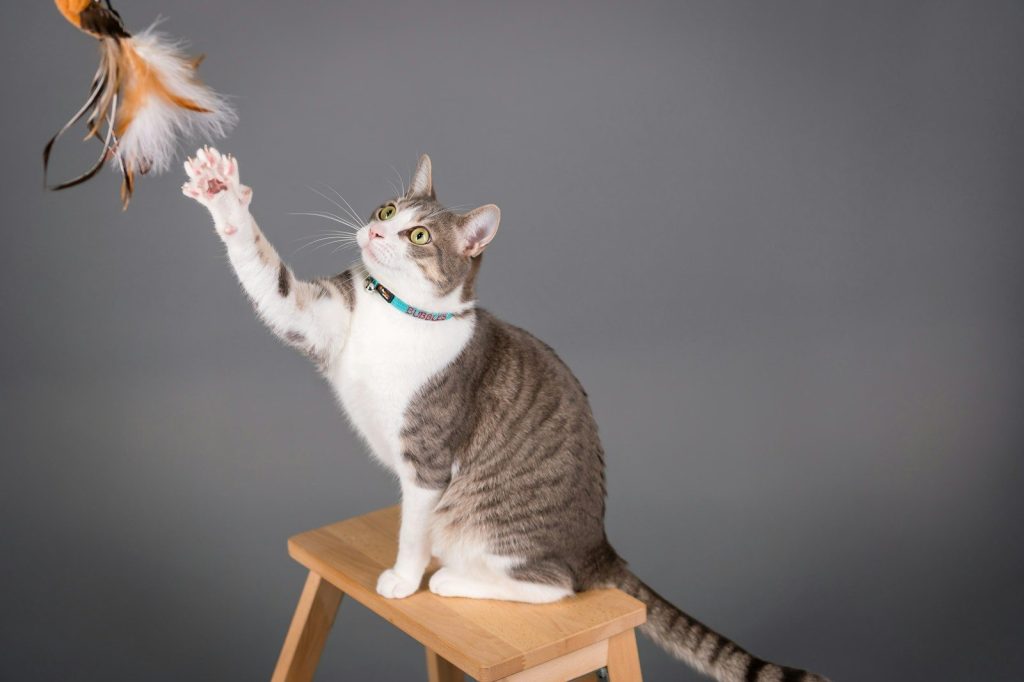
Cats are capable of learning behaviors, commands, and routines when training methods are appropriate. Positive reinforcement can be highly effective.
Many cats can learn tricks, use scratching posts, and respond to cues. Their learning style is simply different from that of dogs.
Indoor Cats Do Not Need Veterinary Care
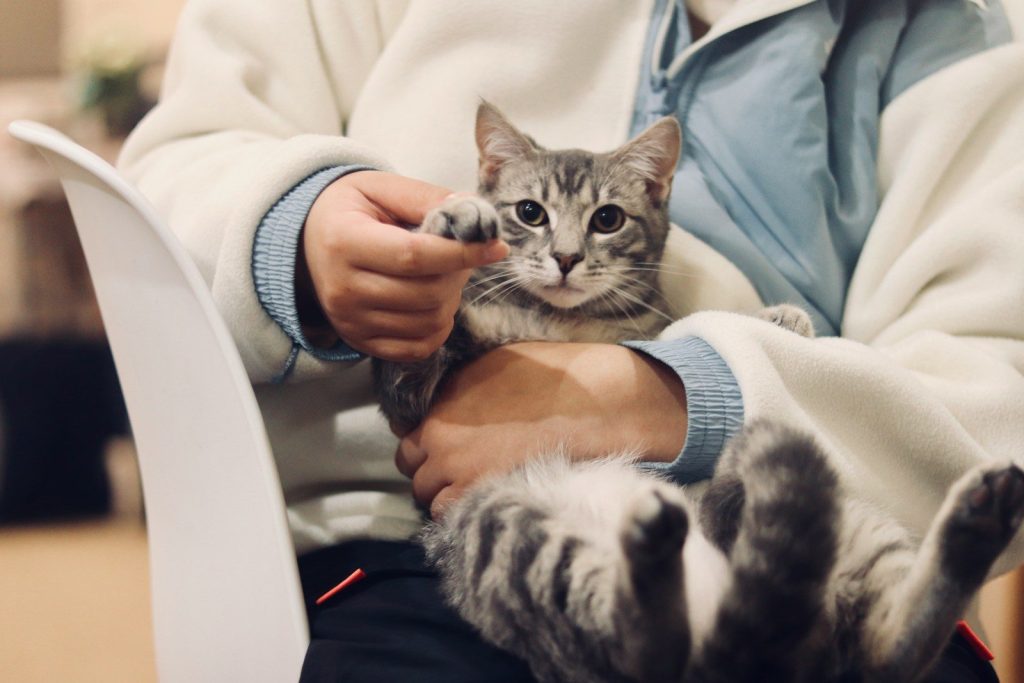
Some owners assume indoor cats face few health risks and therefore require less medical attention. In reality, indoor cats still need regular checkups and preventive care.
Routine veterinary visits help identify health issues before they become serious. Vaccinations and wellness monitoring remain important.