The idea of a “useless” animal is largely a human perspective. Every species plays some role in its ecosystem, whether through pollination, pest control, nutrient cycling, or serving as prey for other animals. However, some creatures have earned reputations for seeming inefficient, awkward, or lacking obvious benefits.
While these animals may appear unnecessary at first glance, they often possess unique adaptations that have helped them survive for millions of years. Their unusual traits make them some of the most intriguing members of the animal kingdom.
Sloth
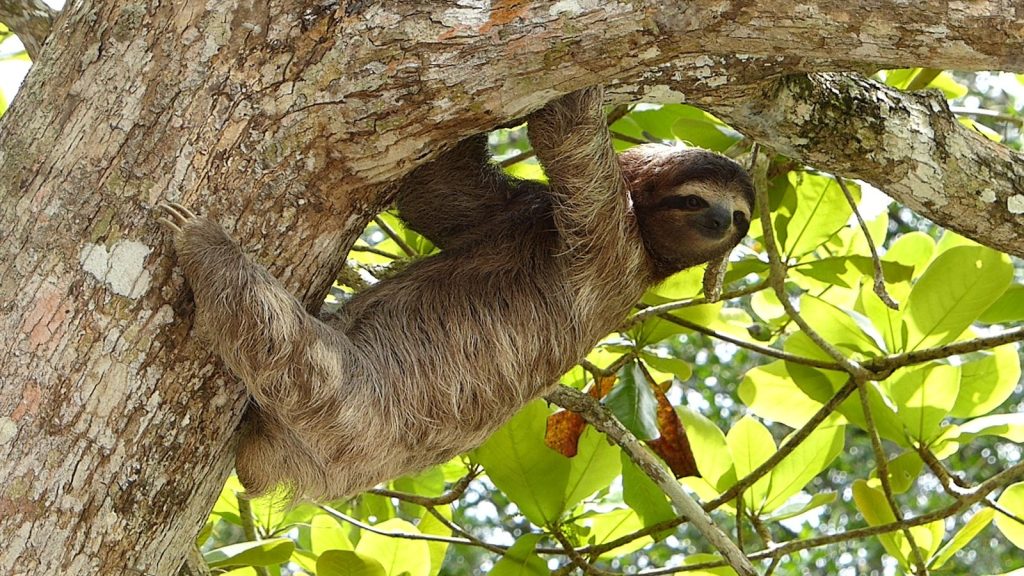
Sloths are famous for their extremely slow movements and low energy lifestyle Sloth. They spend most of their lives hanging upside down in trees and moving at a remarkably leisurely pace.
Although they may seem inactive, their slow metabolism helps them survive on a nutrient poor diet. This strategy allows them to conserve energy efficiently.
Panda
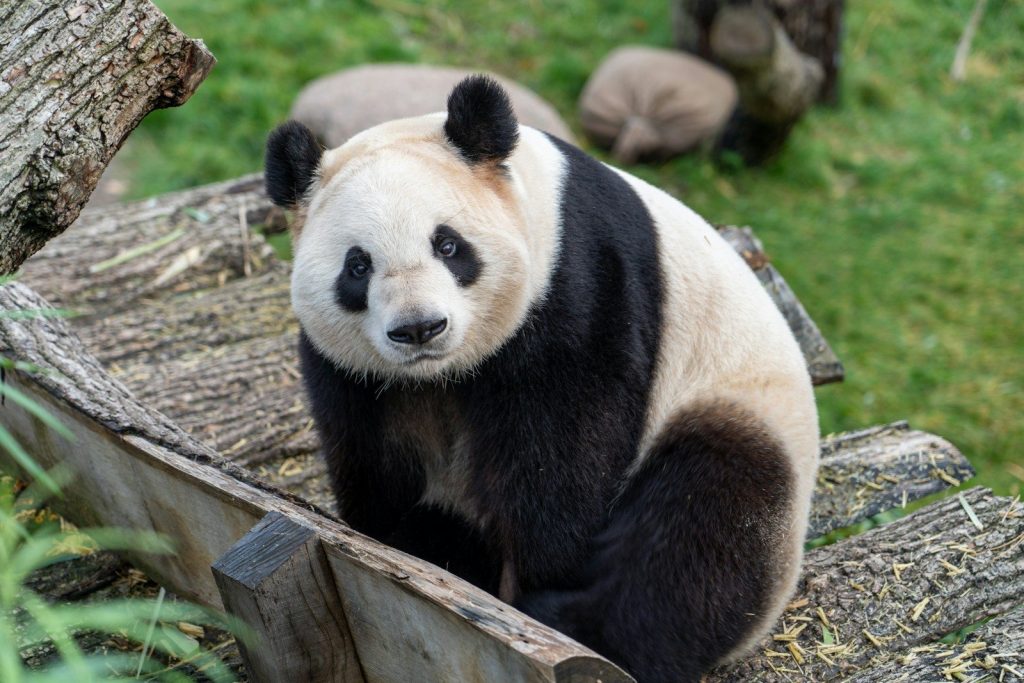
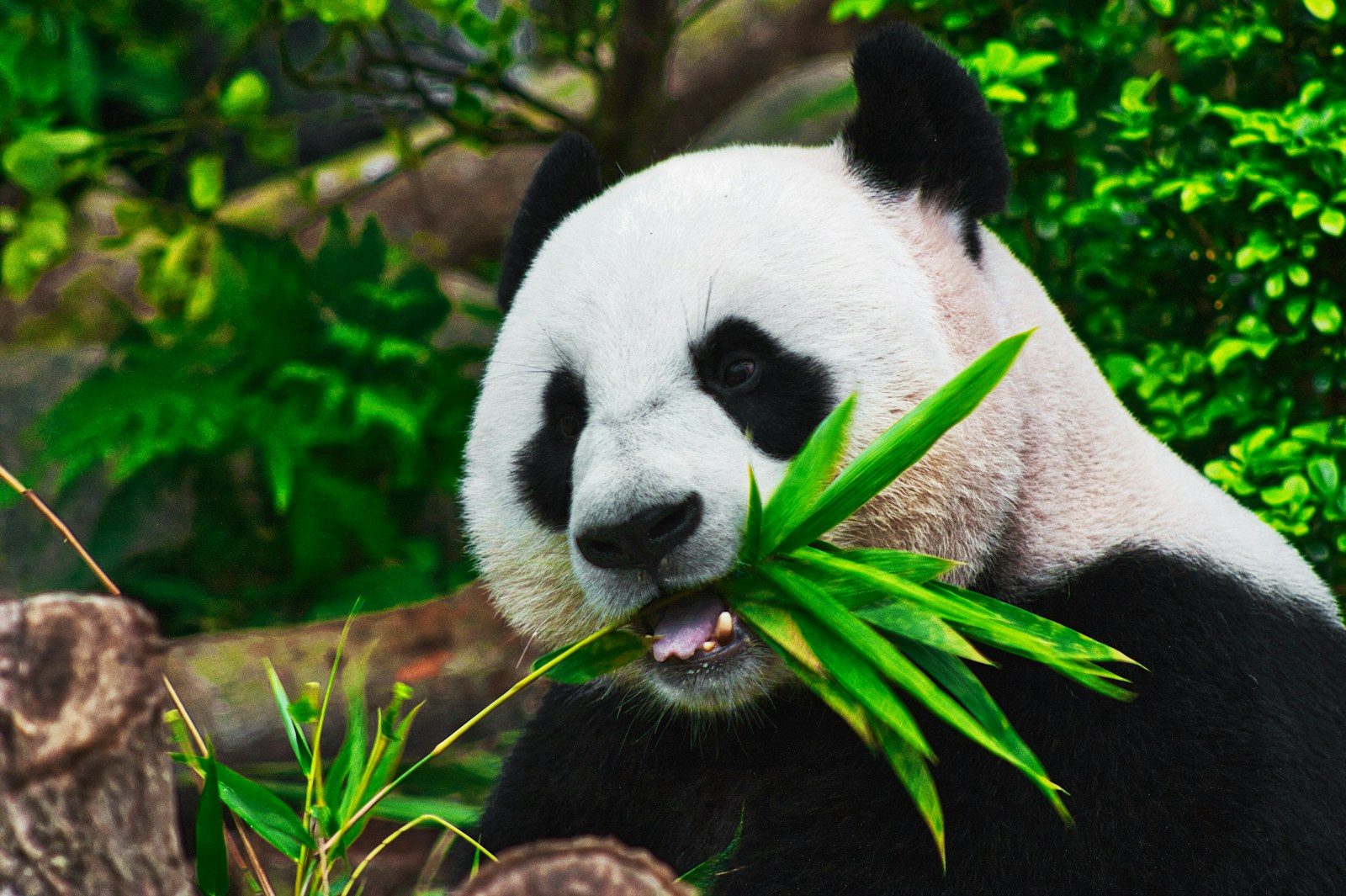
Giant pandas are often viewed as inefficient because they rely almost entirely on bamboo despite having digestive systems better suited for meat Giant Panda. They spend much of their day eating to meet their nutritional needs.
Despite this unusual lifestyle, pandas play an important role in their native habitats. Their conservation has also helped protect broader ecosystems.
Koala
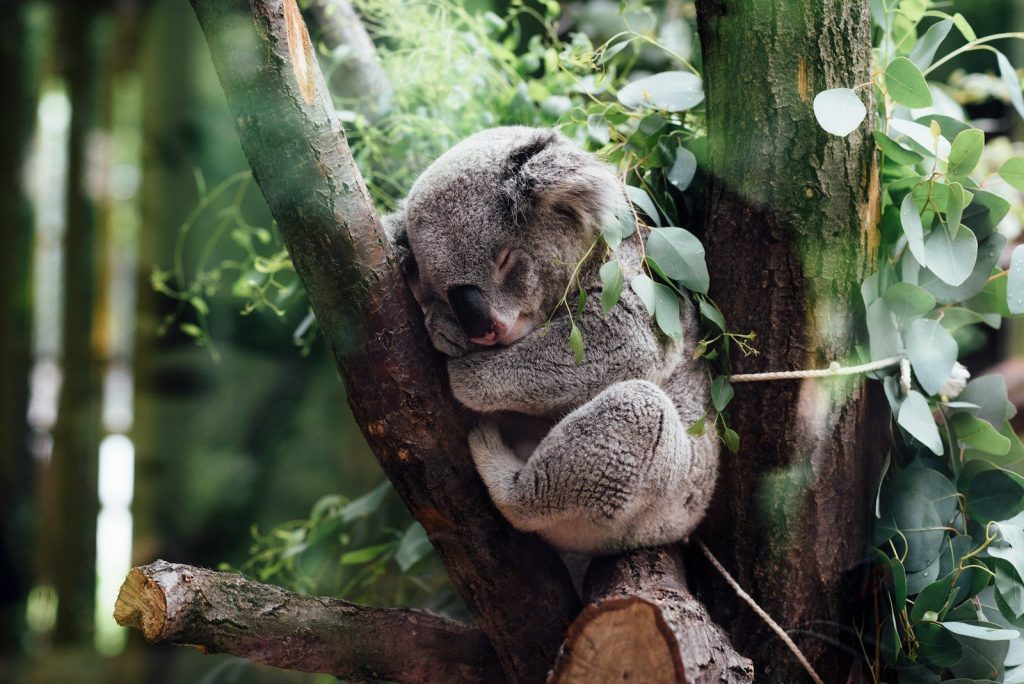
Koalas spend the majority of their lives sleeping and feeding on eucalyptus leaves Koala. Their diet provides limited energy, which contributes to their long periods of rest.
Although often criticized for their inactivity, koalas are highly specialized for their environment. Their adaptations allow them to thrive on a food source few other animals can use.
Kakapo
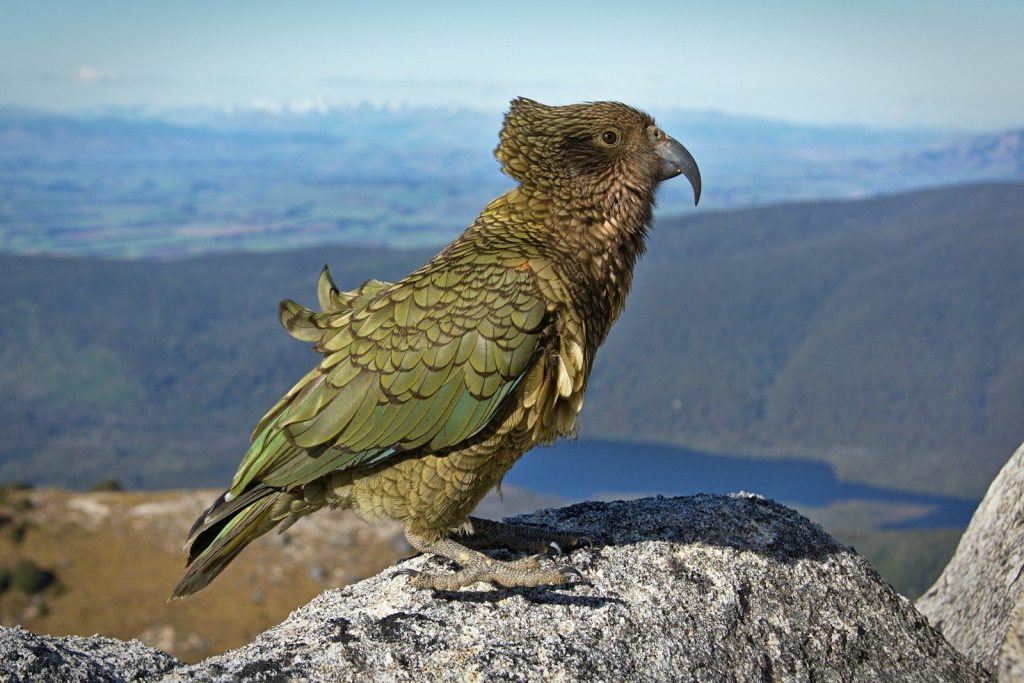
The kakapo is a flightless parrot native to New Zealand that cannot fly despite being a bird Kakapo. Its unusual traits have often led people to view it as an evolutionary oddity.
However, the kakapo represents a unique branch of avian evolution. Conservation efforts have helped prevent its extinction.
Blobfish
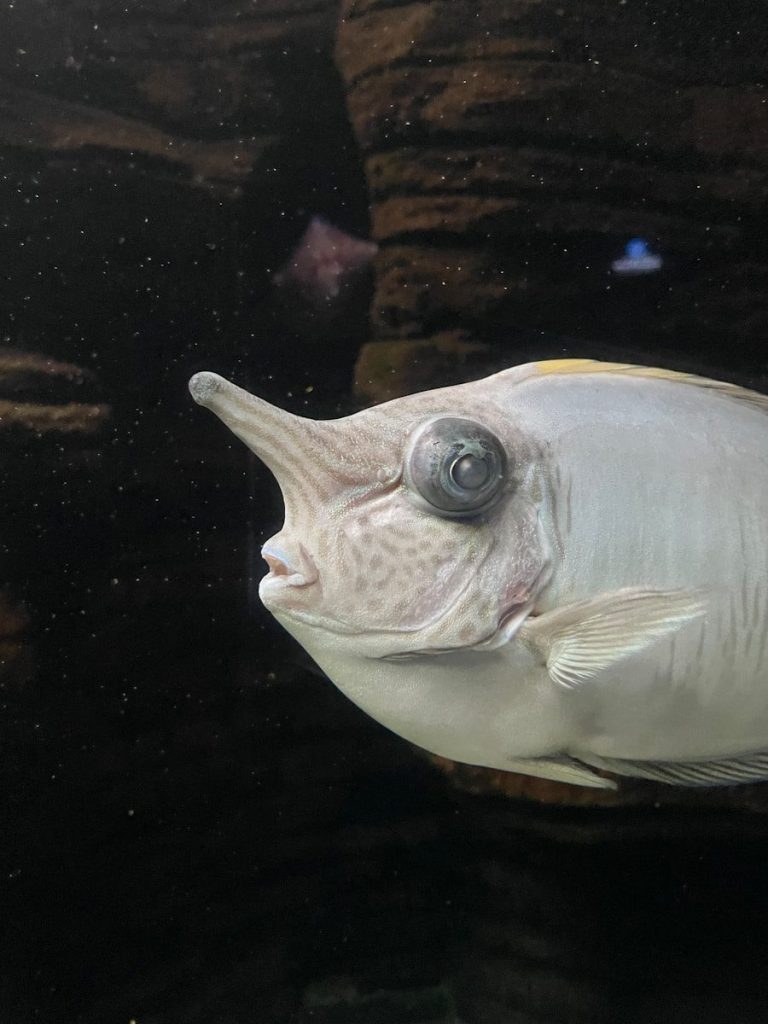
The blobfish became famous for its unusual appearance when brought to the surface from deep ocean environments Blobfish. Its soft body looks dramatically different outside its natural habitat.
In the deep sea, its body structure is actually well suited for surviving under extreme pressure. What appears strange to humans is an effective adaptation.
Dodo
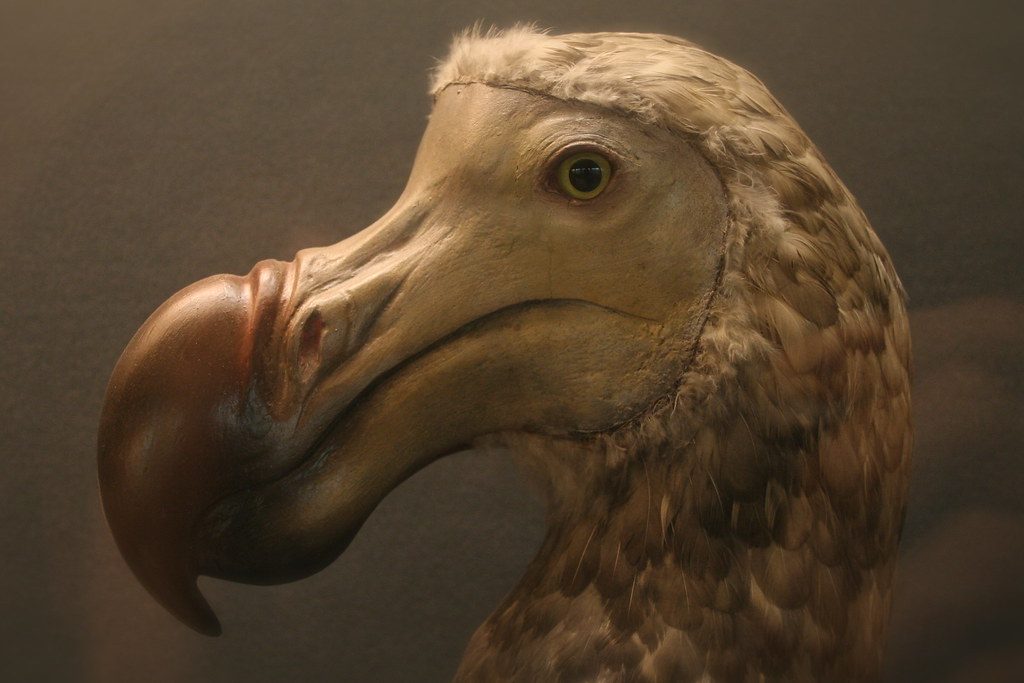
The dodo is often remembered as a symbol of evolutionary failure due to its extinction Dodo. Its inability to fly and lack of fear toward humans contributed to its downfall.
Despite its reputation, the dodo was well adapted to its island environment before human arrival. Its extinction highlights the impact humans can have on wildlife.
Aye Aye
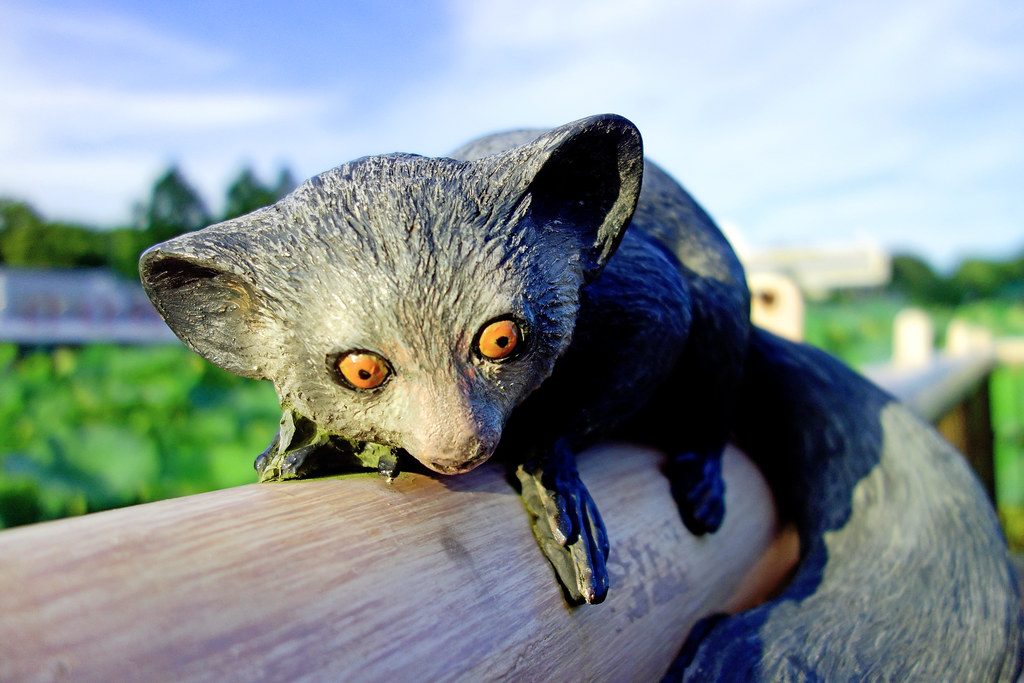
The aye aye is a lemur known for its unusual appearance and elongated middle finger Aye-aye. Many people consider it one of the strangest looking animals on Earth.
Its distinctive finger is actually a highly specialized tool used to locate insects hidden inside trees. This adaptation makes it an effective forager.
Goblin Shark
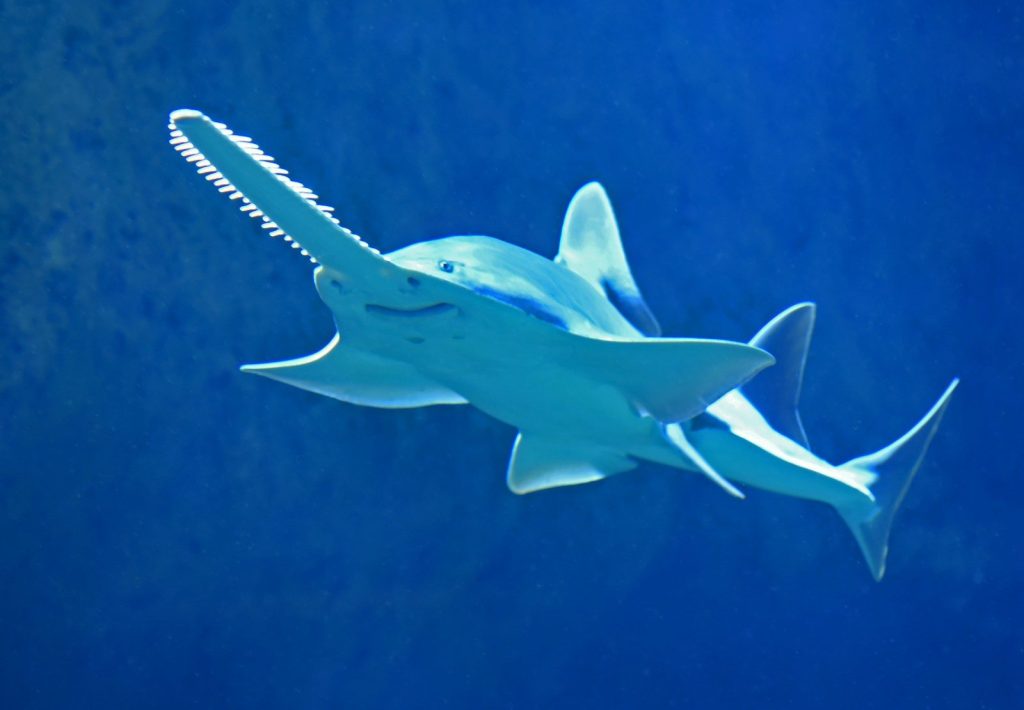
The goblin shark has a distinctive protruding snout and extendable jaws that give it an unusual appearance Goblin Shark. Its strange features have earned it a reputation as one of the oddest marine creatures.
These adaptations help it locate and capture prey in dark deep sea environments. What seems unusual is highly effective in its habitat.