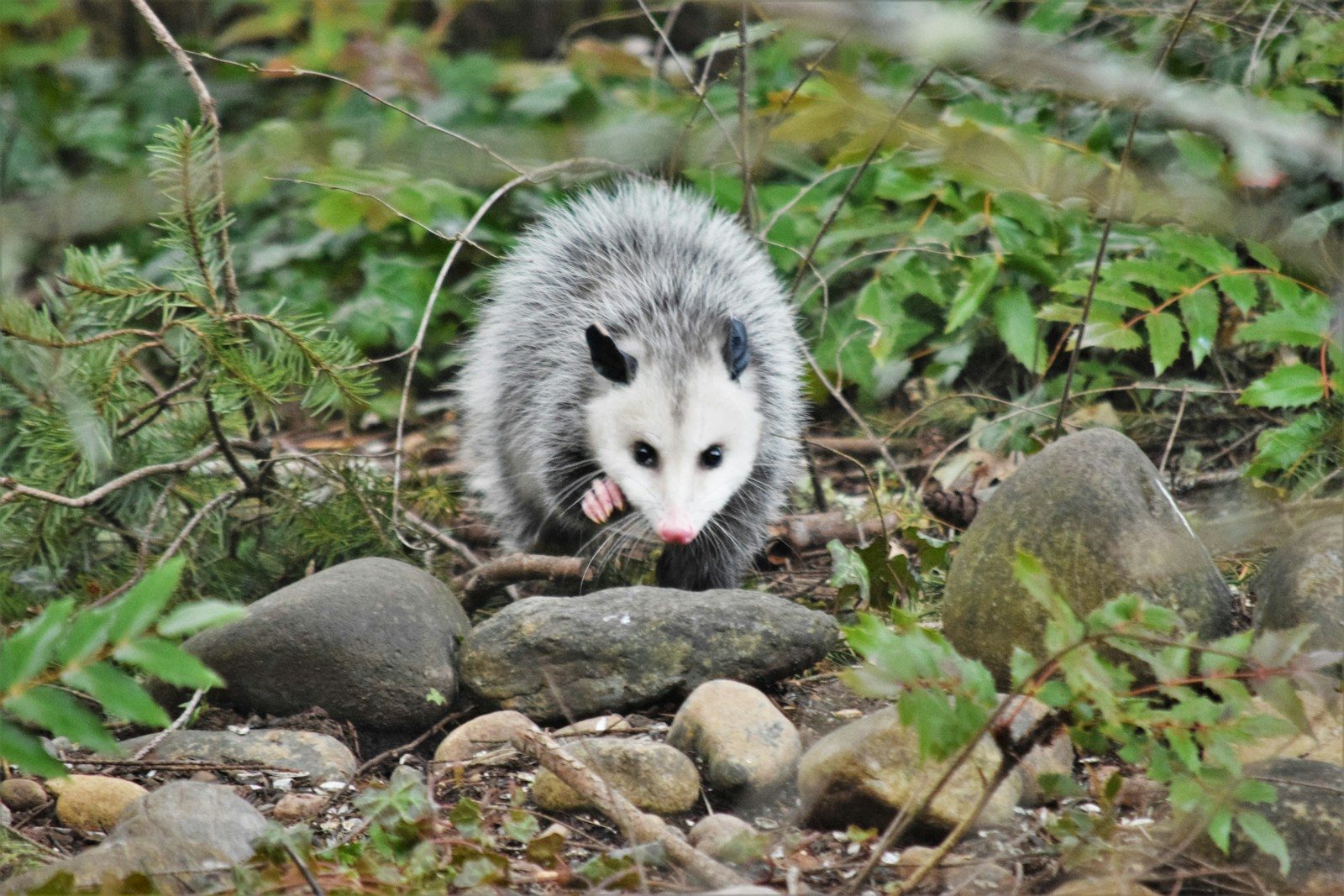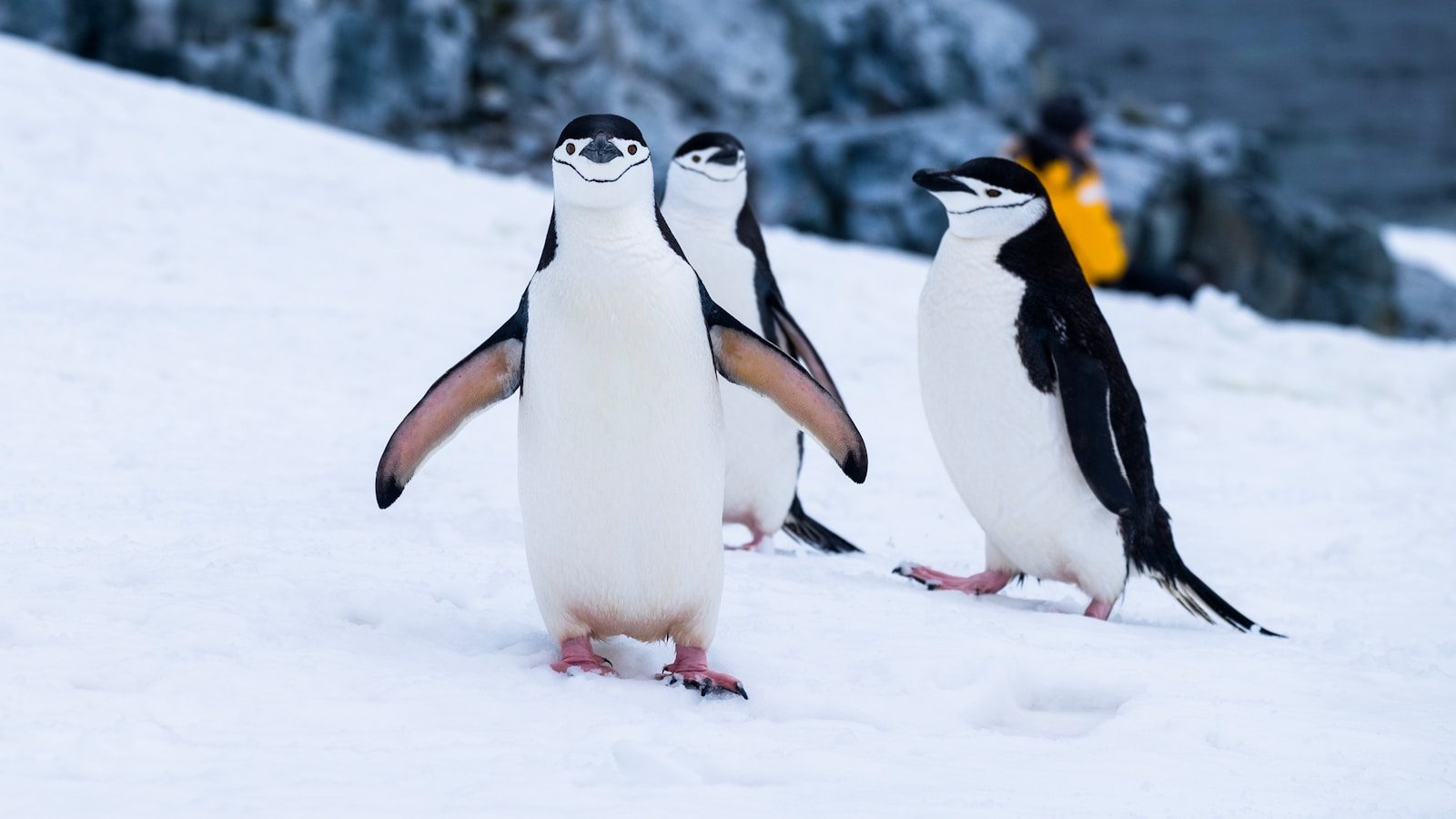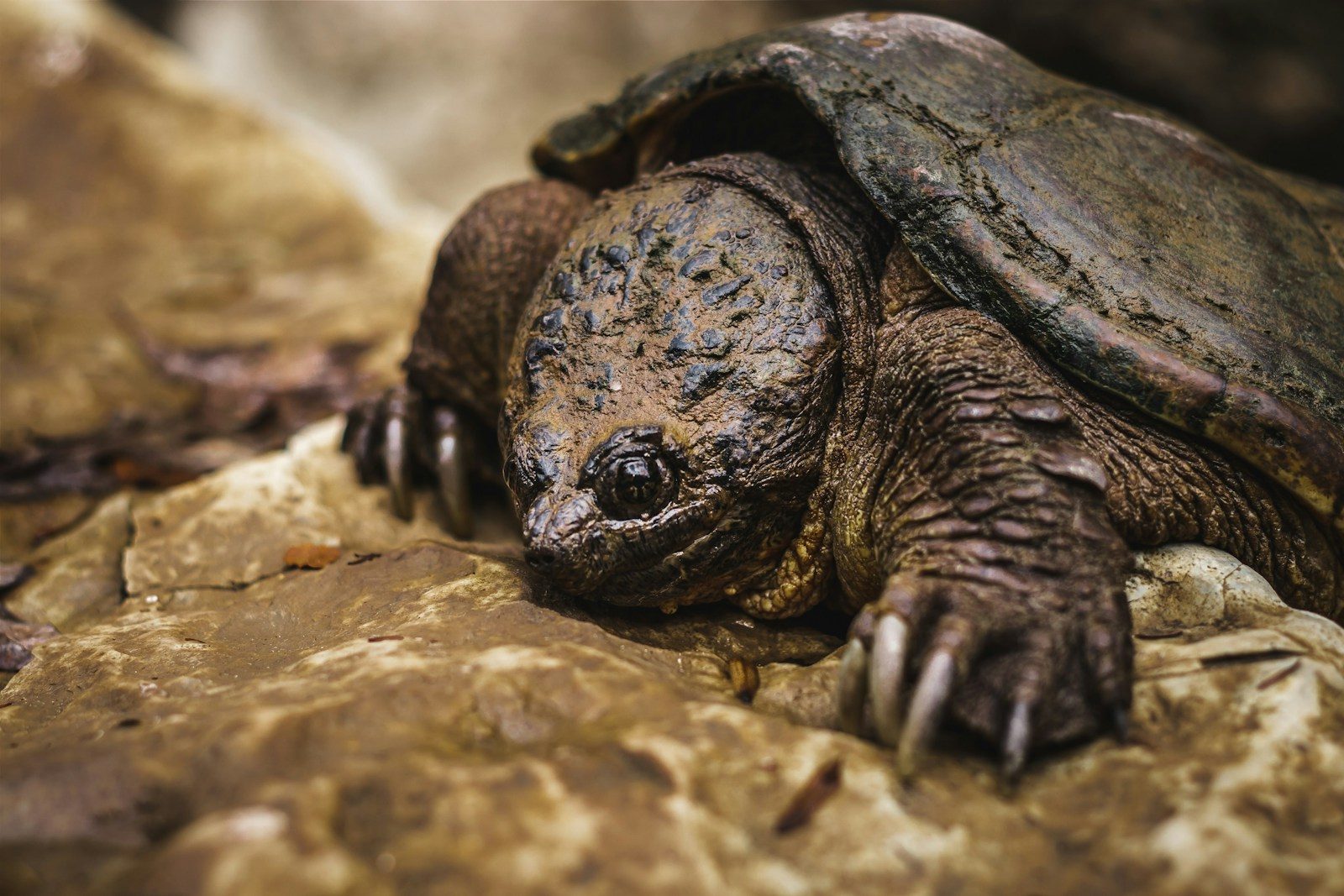
Aging is a natural process for most living creatures, but some animals have developed extraordinary biological traits that allow them to slow, resist, or even reverse aspects of aging Animal. While no animal is truly immortal in every sense, certain species possess abilities that have fascinated scientists for decades.
These creatures continue to challenge our understanding of longevity and cellular regeneration. Their unique adaptations may even provide valuable insights into human aging and disease research.
Immortal Jellyfish
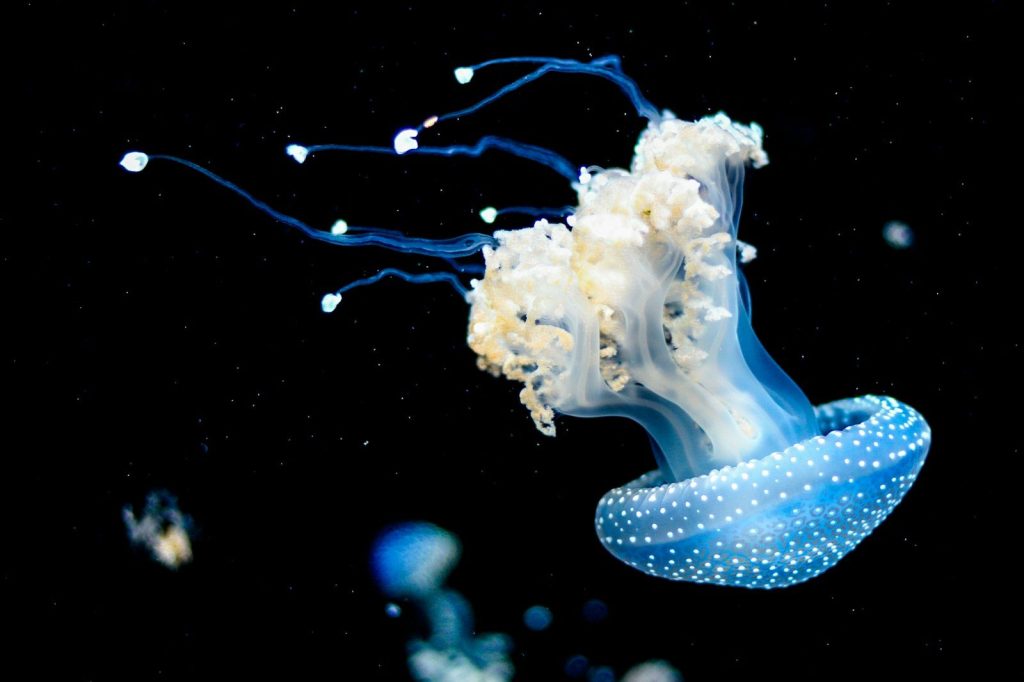
The immortal jellyfish is perhaps the most famous example of an animal that appears capable of escaping the normal aging process Turritopsis dohrnii. When faced with stress, injury, or old age, it can revert its cells to an earlier stage of development.
This process effectively allows the jellyfish to begin its life cycle again. As a result, it can theoretically repeat this cycle indefinitely under favorable conditions.
Hydra
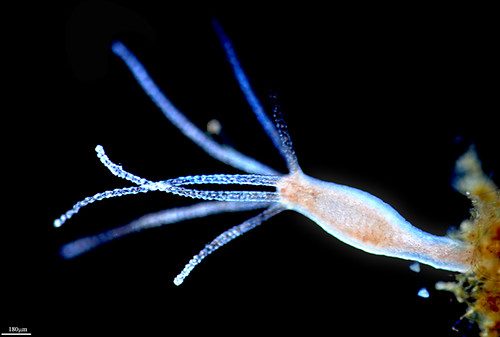
Hydras are tiny freshwater animals known for their remarkable regenerative abilities Hydra. Their stem cells continually renew themselves, preventing many of the biological changes associated with aging.
Scientists have observed little evidence of age related decline in these creatures. Their unique biology has made them important subjects in longevity research.
Greenland Shark
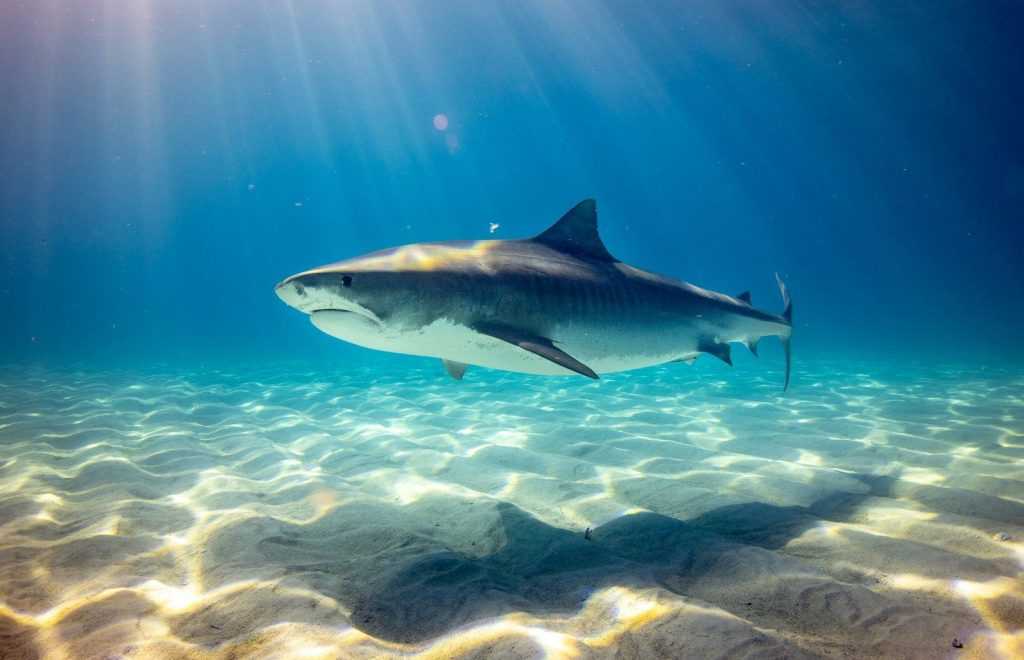
The Greenland shark is one of the longest living vertebrates ever discovered Greenland Shark. Some individuals are believed to live for several centuries.
Its slow growth and low metabolic rate may contribute to its exceptional lifespan. These traits allow it to survive in the cold waters of the North Atlantic and Arctic regions.
Ocean Quahog Clam
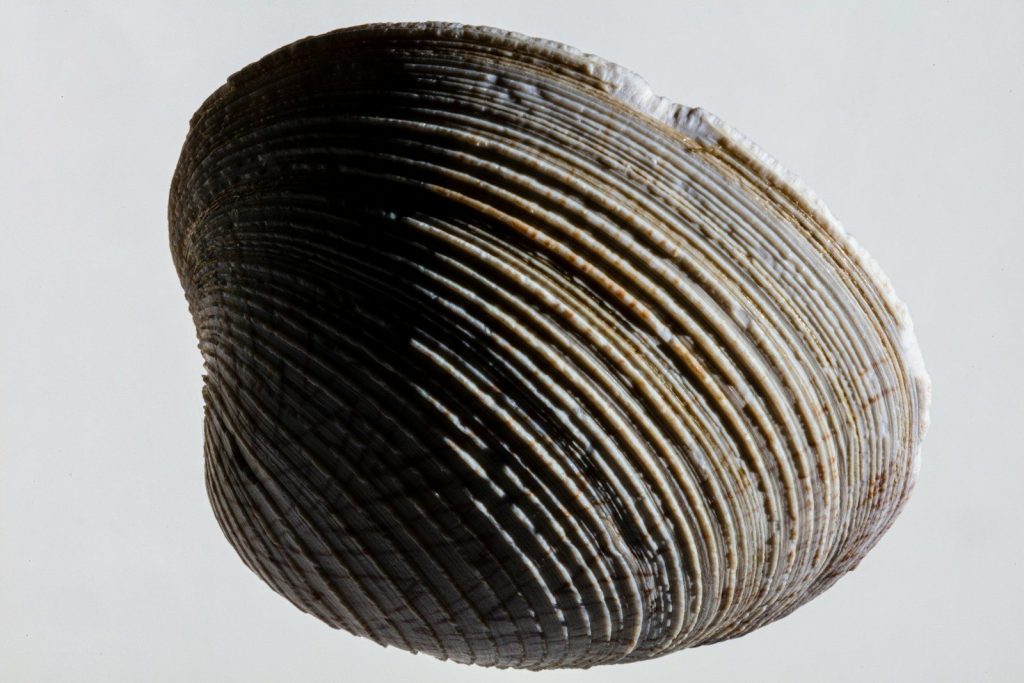
The ocean quahog clam is a marine mollusk capable of reaching extraordinary ages Ocean Quahog. Researchers have identified specimens that lived for more than 500 years.
Its slow metabolism is thought to play a major role in its longevity. These clams provide valuable records of environmental conditions over centuries.
Rougheye Rockfish
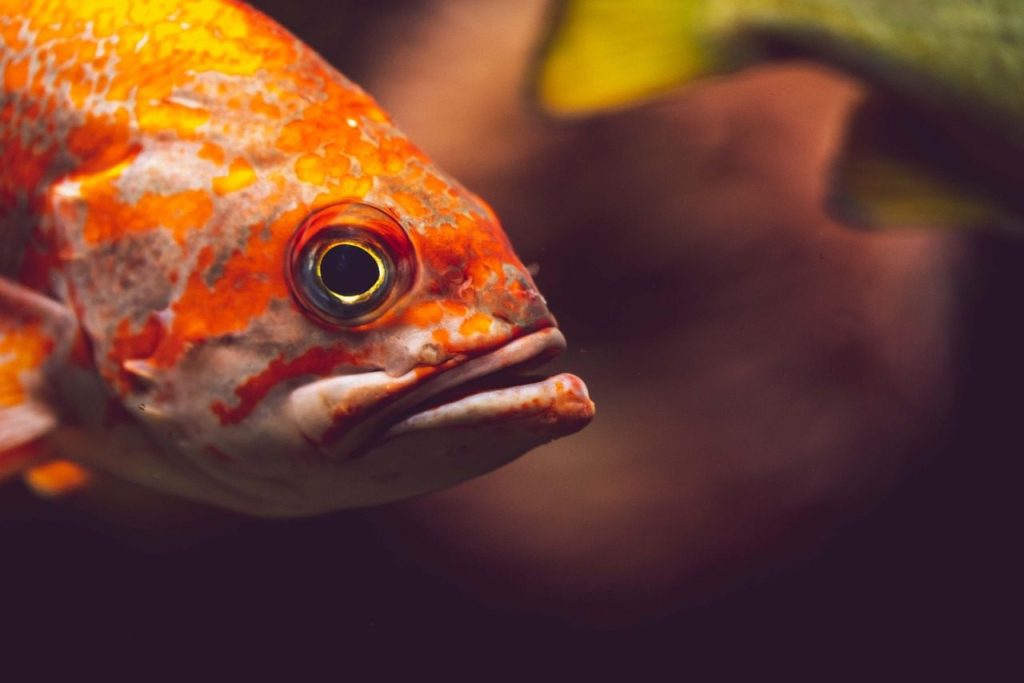
The rougheye rockfish is another species known for impressive longevity Rougheye Rockfish. Some individuals can live for well over 200 years.
Their long lifespan allows them to survive and reproduce across multiple generations. Scientists continue to study how these fish maintain health over such extended periods.
Aldabra Giant Tortoise
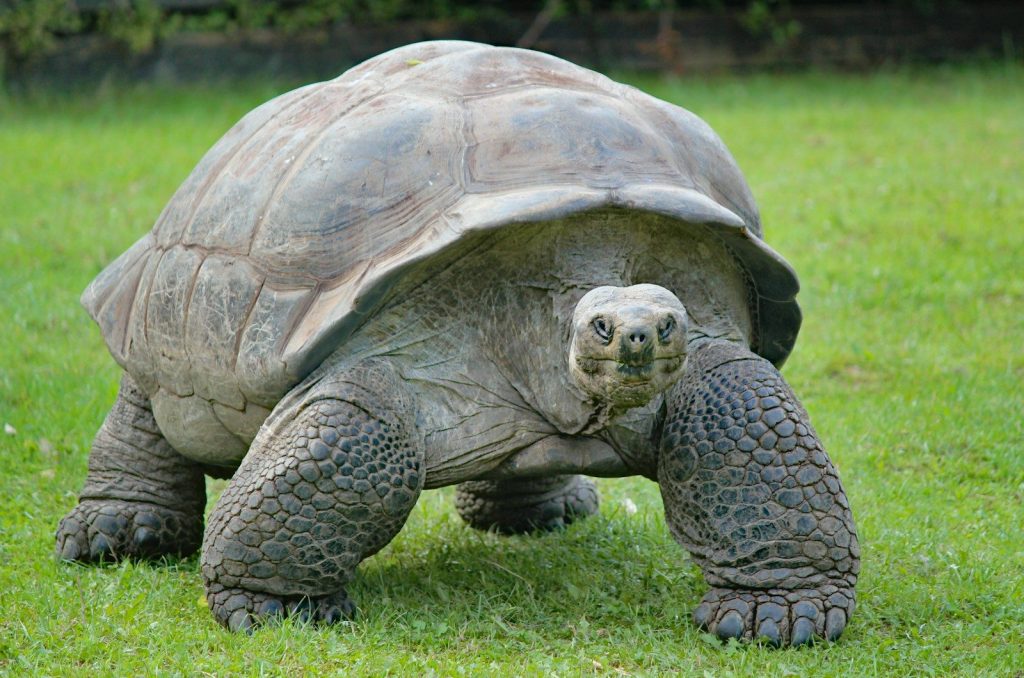
The Aldabra giant tortoise is famous for its ability to live for more than a century Aldabra Giant Tortoise. Many individuals continue to thrive well beyond what is typical for most animals.
Their slow pace of life and efficient metabolism may contribute to their longevity. They are among the longest living land animals known to science.
Bowhead Whale
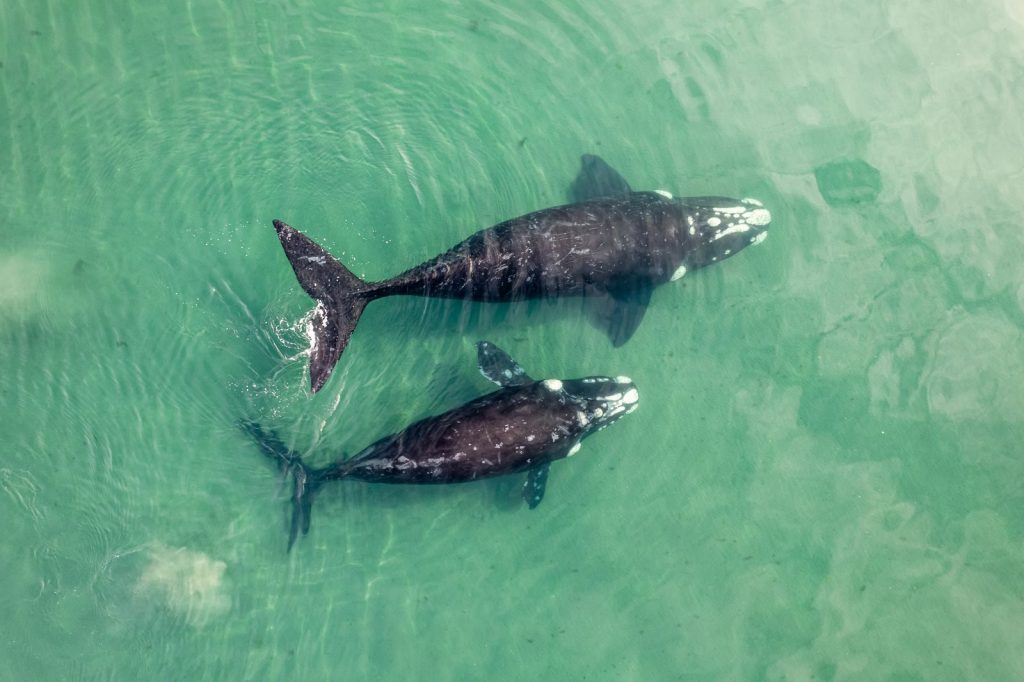
The bowhead whale is considered one of the longest living mammals on Earth Bowhead Whale. Some estimates suggest individuals can survive for more than 200 years.
Researchers believe unique genetic adaptations help protect these whales from age related diseases. Their longevity continues to be a focus of scientific investigation.
Glass Sponge
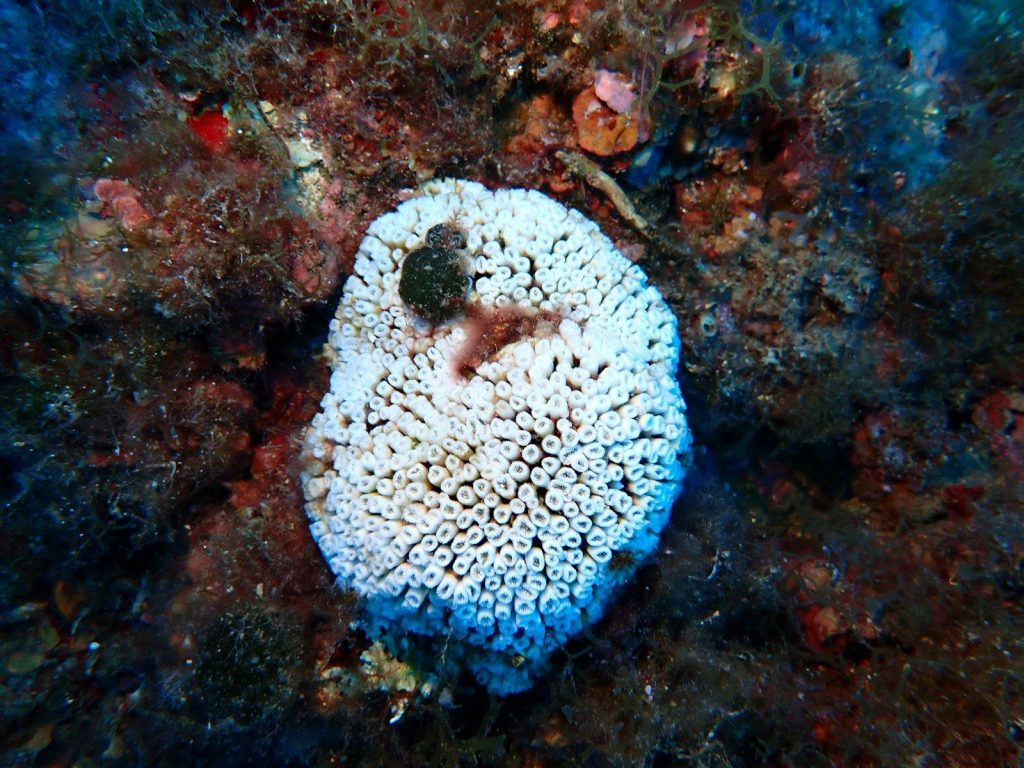
Glass sponges inhabit deep ocean environments and can survive for thousands of years Glass Sponge. Their slow growth and stable habitats contribute to their extraordinary lifespans.
These ancient creatures are among the oldest living animals on the planet. Some specimens may have existed long before many human civilizations emerged.