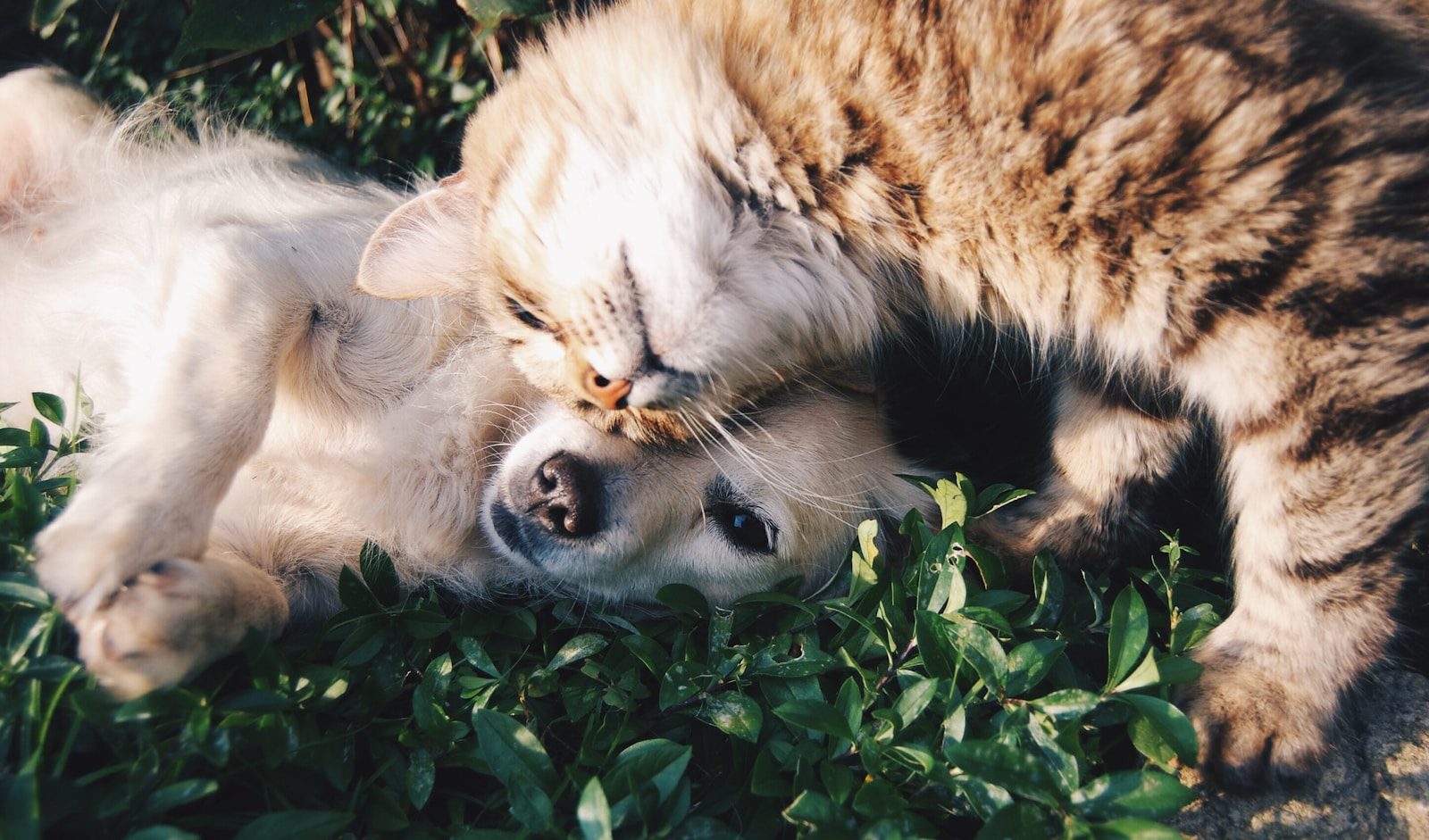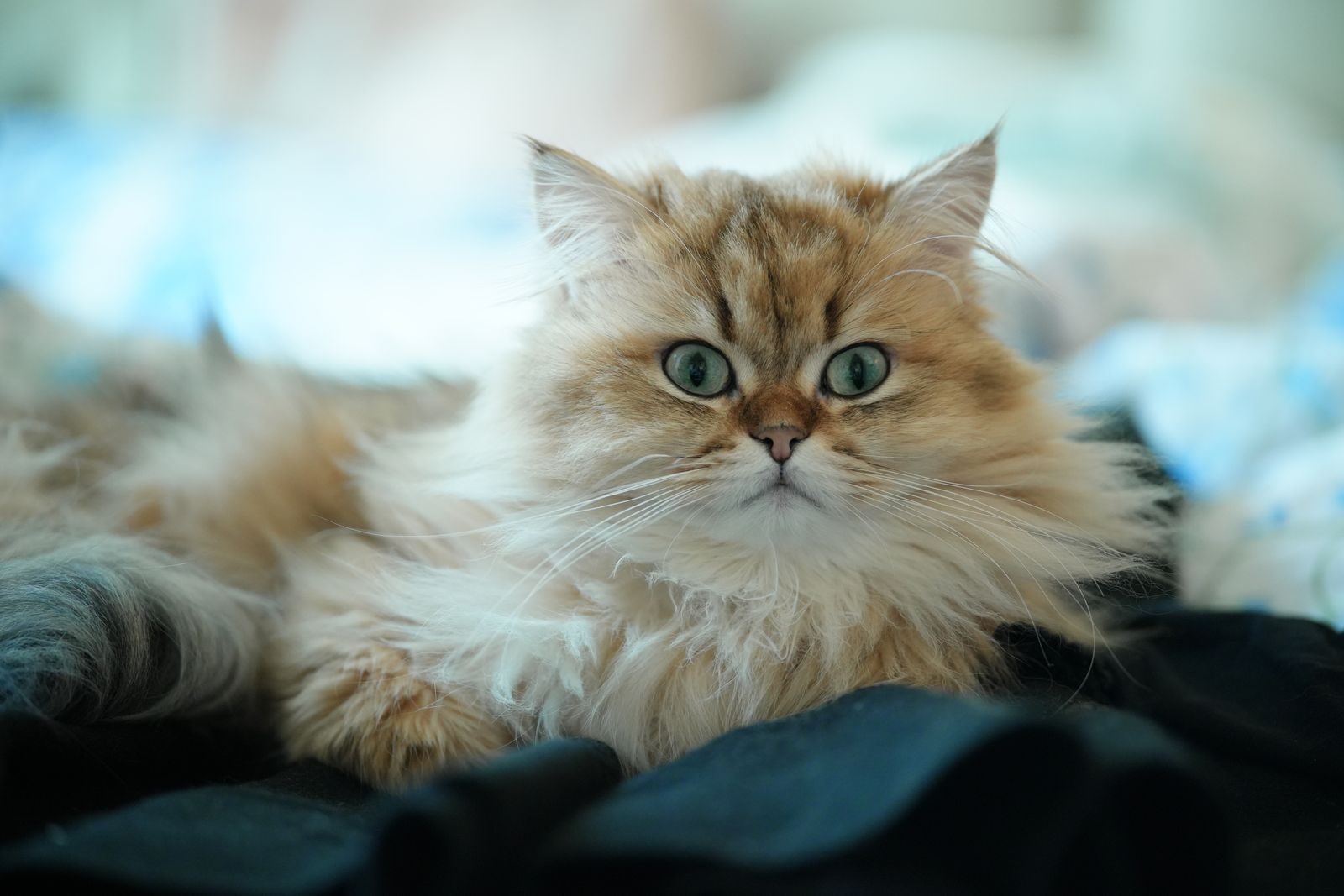
People have long been fascinated by the idea that a cat’s physical features might offer clues about its behavior and temperament Domestic Cat. While appearance does not scientifically determine personality, many owners notice patterns between looks and common behavioral traits.
These observations are often based on shared experiences rather than strict science, but they can still offer interesting insight into how different cats behave. Here are some common interpretations of what a cat’s appearance might suggest.
Coat Color and Temperament
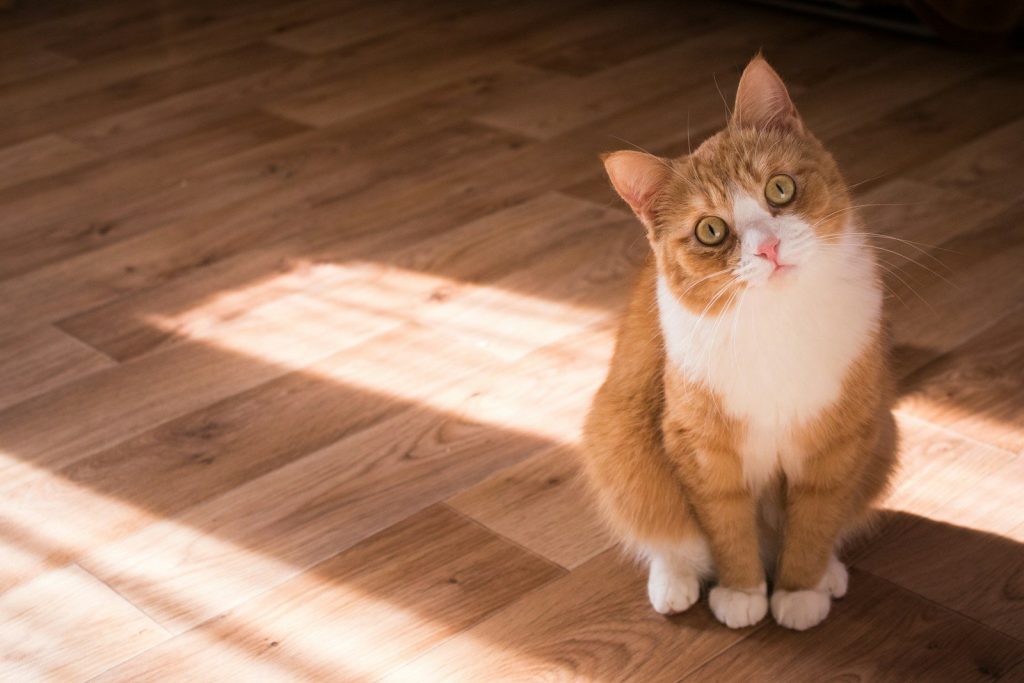
A cat’s coat color is often linked in popular belief to certain personality traits. For example, orange or ginger cats are frequently described as friendly and outgoing in many households.
Black and white cats are often seen as balanced in temperament, though individual behavior can vary widely. Ultimately, personality depends more on upbringing than coloration.
Long Haired Cats and Calm Behavior
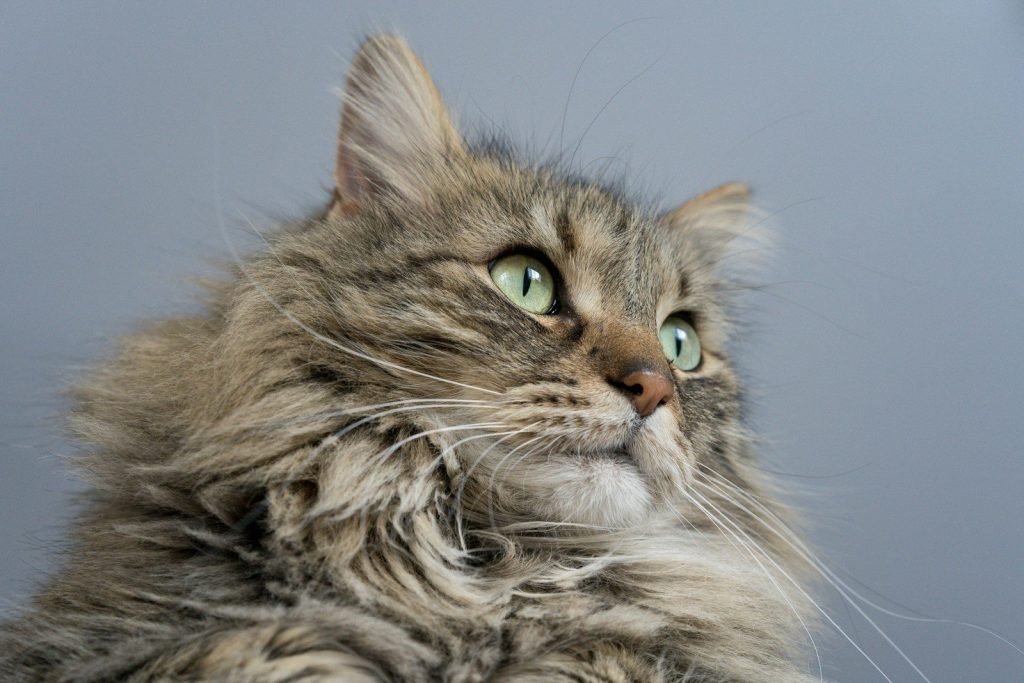
Long haired cats are often associated with calm and relaxed personalities due to their slower, more composed movements Cat. Breeds with thicker coats are sometimes perceived as more laid back.
These cats may prefer quiet environments where they can rest comfortably. However, grooming needs can also influence how often they interact with their owners.
Short Haired Cats and Energy Levels
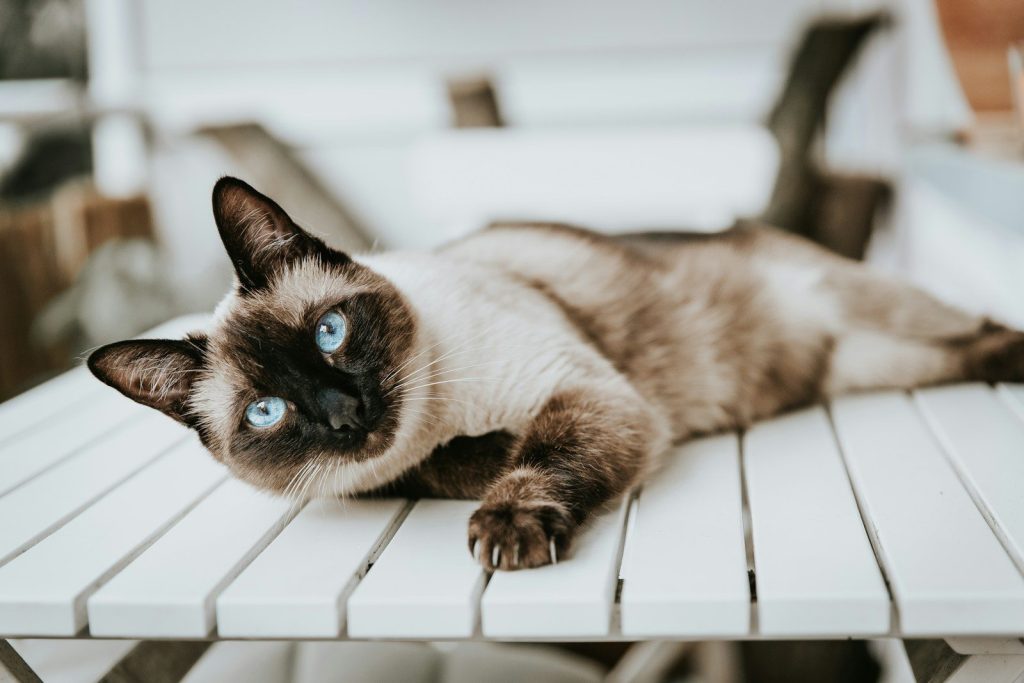
Short haired cats are often thought to be more active and playful compared to long haired varieties. Their lighter coats may contribute to greater agility and frequent movement.
Many short haired cats enjoy exploring and engaging in interactive play. Still, energy levels vary significantly between individual cats.
Eye Color and Personality Impressions
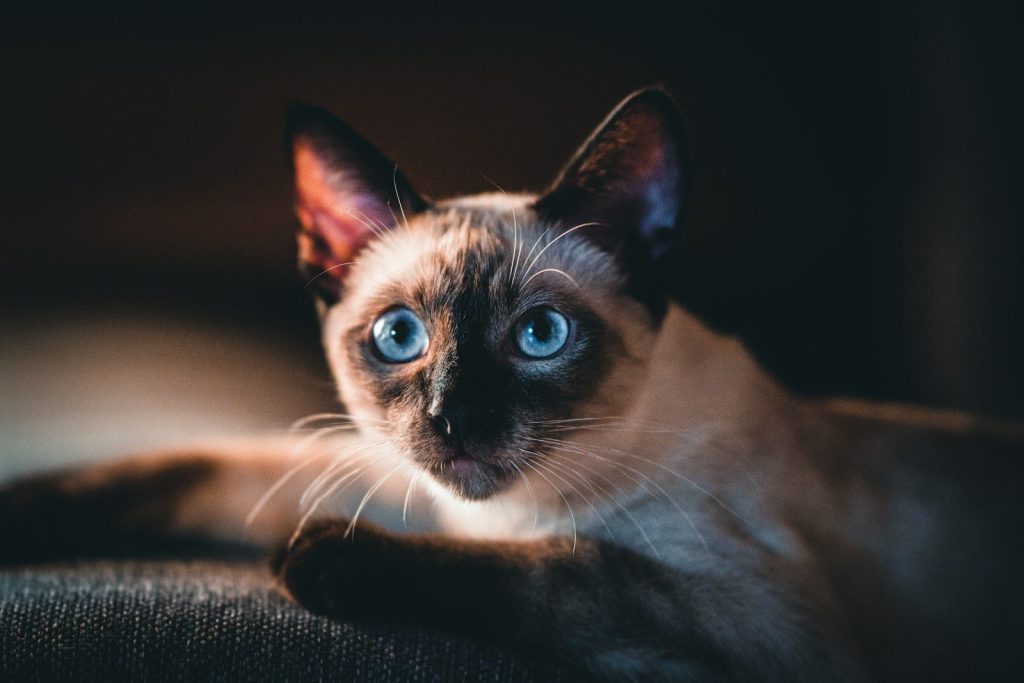
Bright or unusual eye colors often lead owners to associate cats with unique personality traits. Blue eyed cats are sometimes perceived as more sensitive or gentle.
Green or gold eyed cats are often seen as confident and alert. These associations are based more on perception than scientific evidence.
Body Size and Confidence
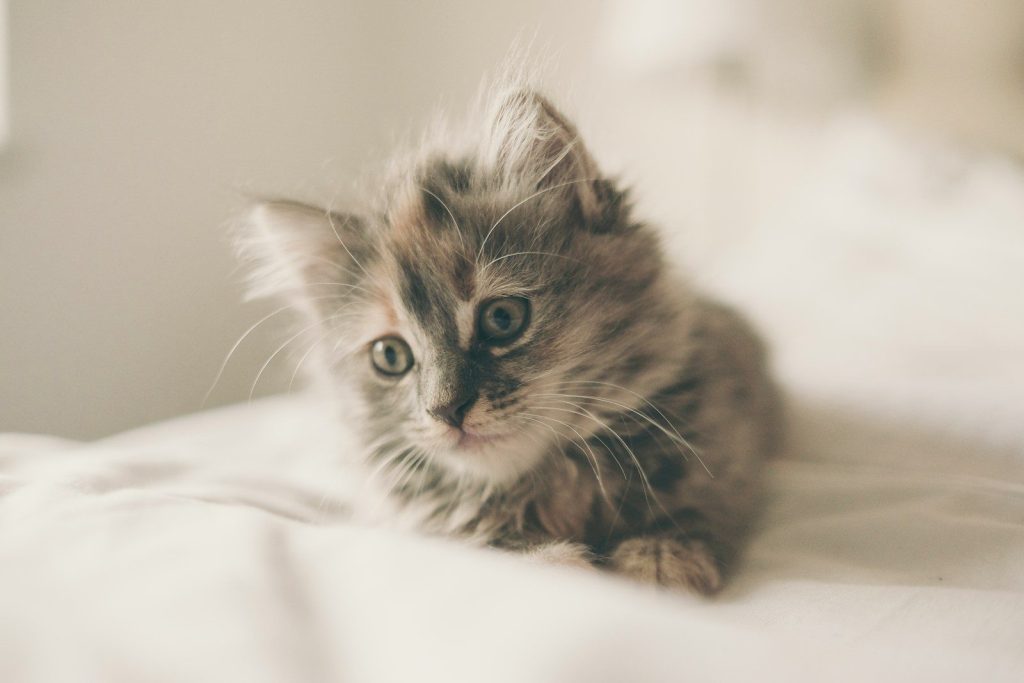
Larger cats are often believed to be more confident and relaxed in their environment. Their size may make them appear more dominant or self assured.
Smaller cats are sometimes thought to be more cautious or timid, although many are highly energetic and bold. Personality is shaped more by experience than body size.
Ear Shape and Expression
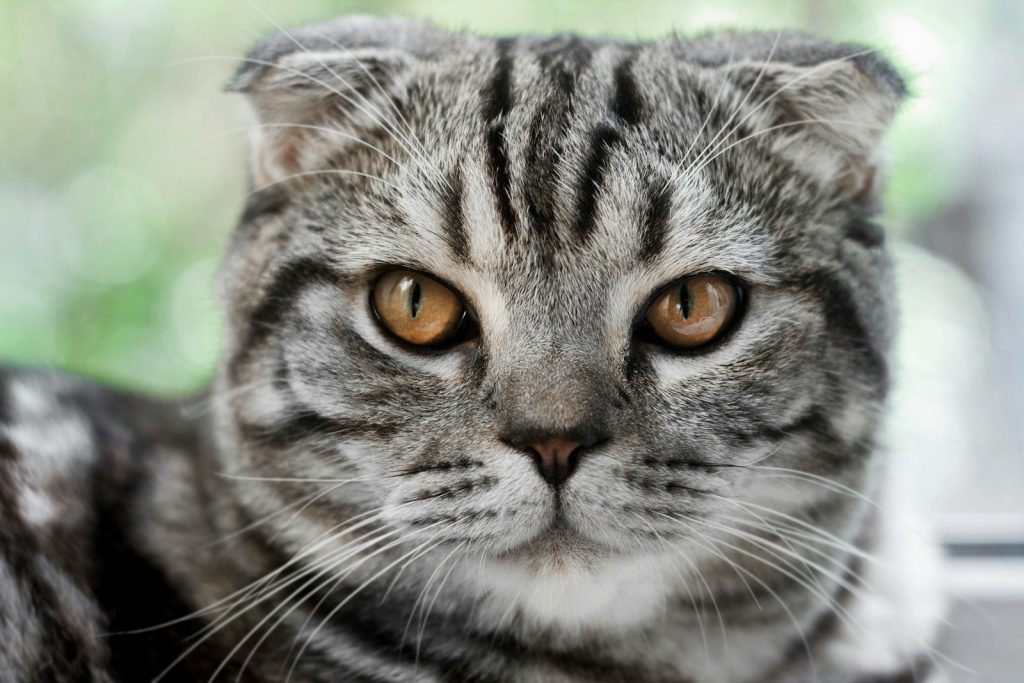
Ear position and shape can influence how people interpret a cat’s mood and personality. Upright ears are often associated with curiosity and alertness.
Folded or rounded ears are frequently linked with gentle or calm behavior. These interpretations are observational rather than scientific.
Facial Features and Perceived Emotion
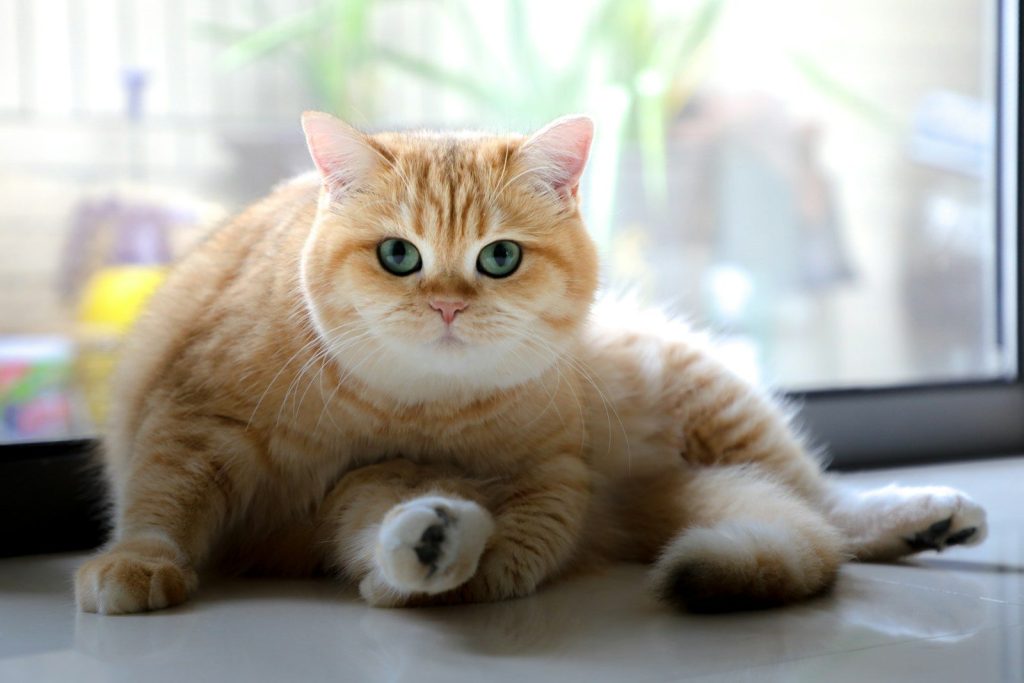
A cat’s facial structure can strongly influence how humans perceive its personality. Round faced cats are often seen as friendly and approachable.
More angular faces may be interpreted as serious or independent. These impressions are subjective and vary between observers.