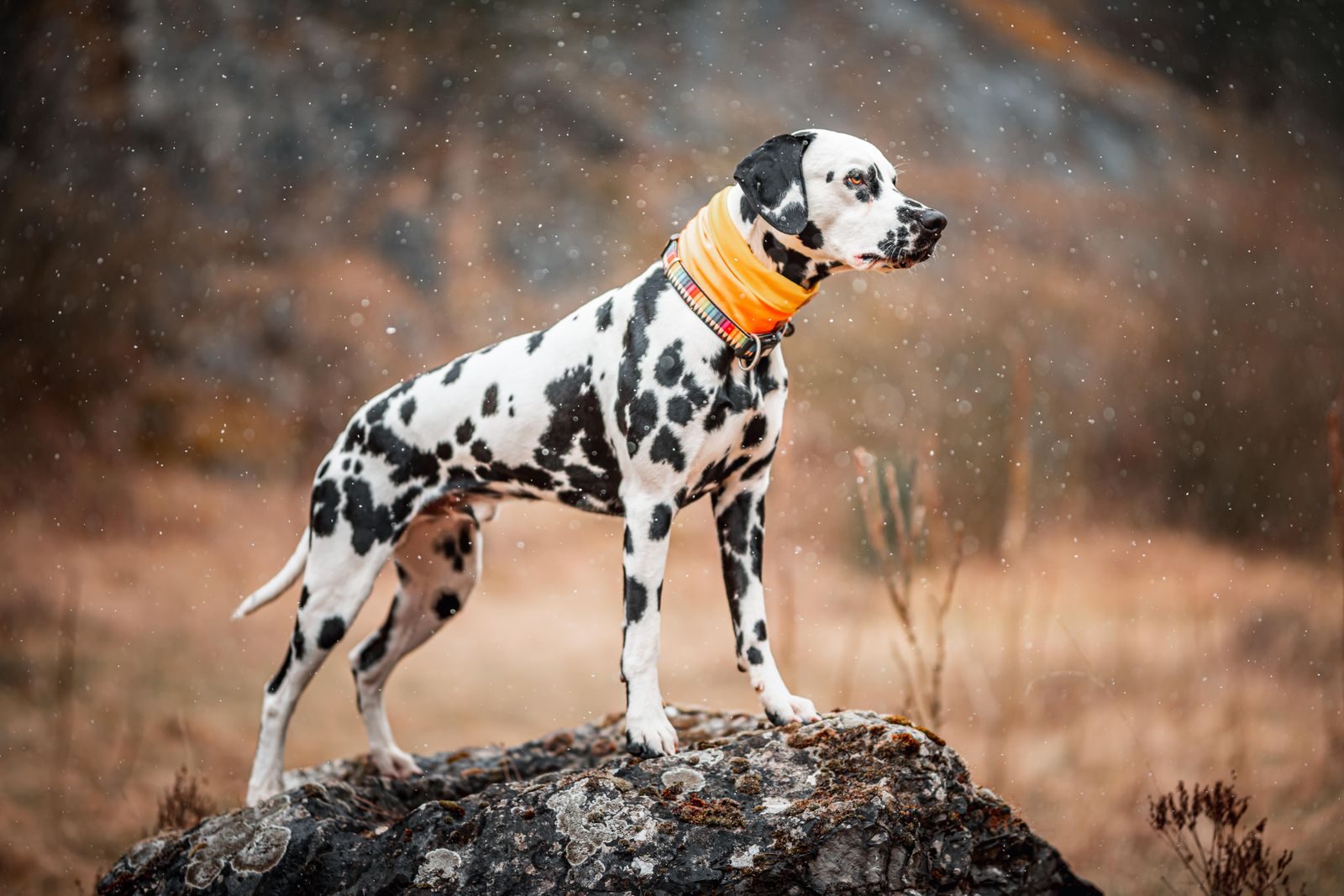
Discussions about dangerous dog breeds are often complex and influenced by factors such as training, socialization, environment, and owner responsibility. While certain breeds are frequently mentioned in safety debates due to their size, strength, or protective instincts, behavior can vary significantly from one dog to another.
Experts generally agree that no breed is inherently aggressive in every situation. However, some breeds possess physical traits and temperaments that require experienced handling and consistent training.
Rottweiler

The Rottweiler is a powerful working breed known for confidence and loyalty. Its natural protective instincts can make it an effective guardian when properly trained.
Without consistent guidance and socialization, these instincts may become difficult to manage. Early training is particularly important for this breed.
German Shepherd
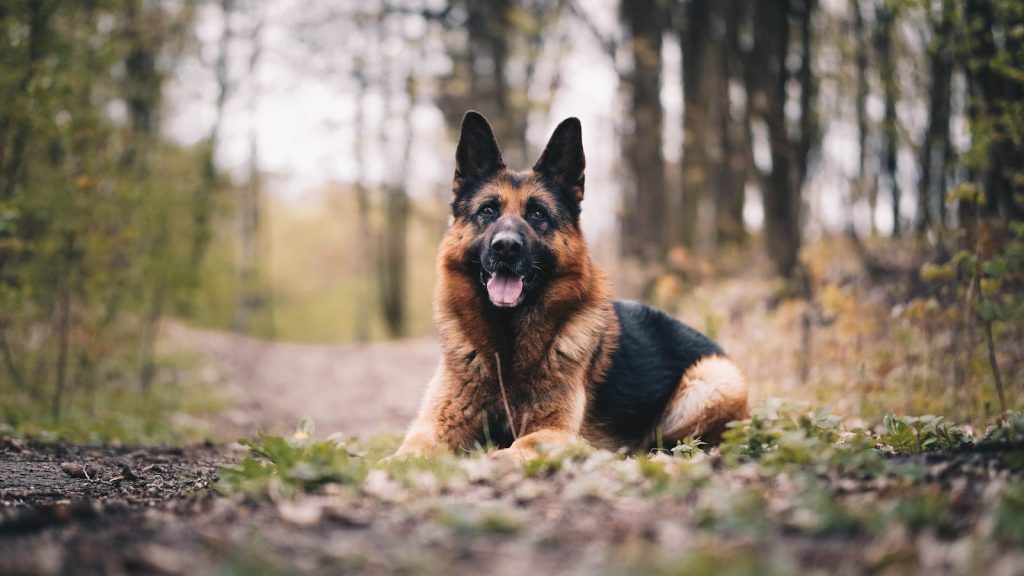
German Shepherds are highly intelligent and widely used in police and military roles. Their strength and protective nature make them capable working dogs.
Because they are alert and responsive, they require regular mental and physical stimulation. Proper training helps ensure their protective instincts remain controlled.
Doberman Pinscher
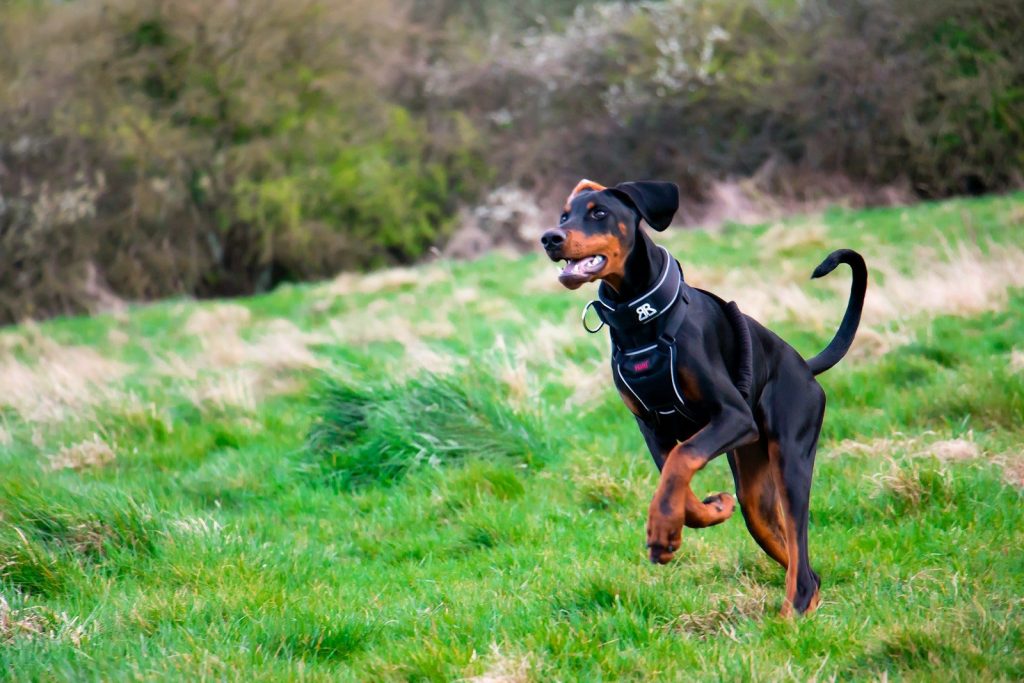
The Doberman Pinscher is known for its athletic build and sharp intelligence. It was originally developed as a personal protection dog.
This breed typically responds well to structured training and leadership. When properly socialized, Dobermans are often loyal and dependable companions.
Akita
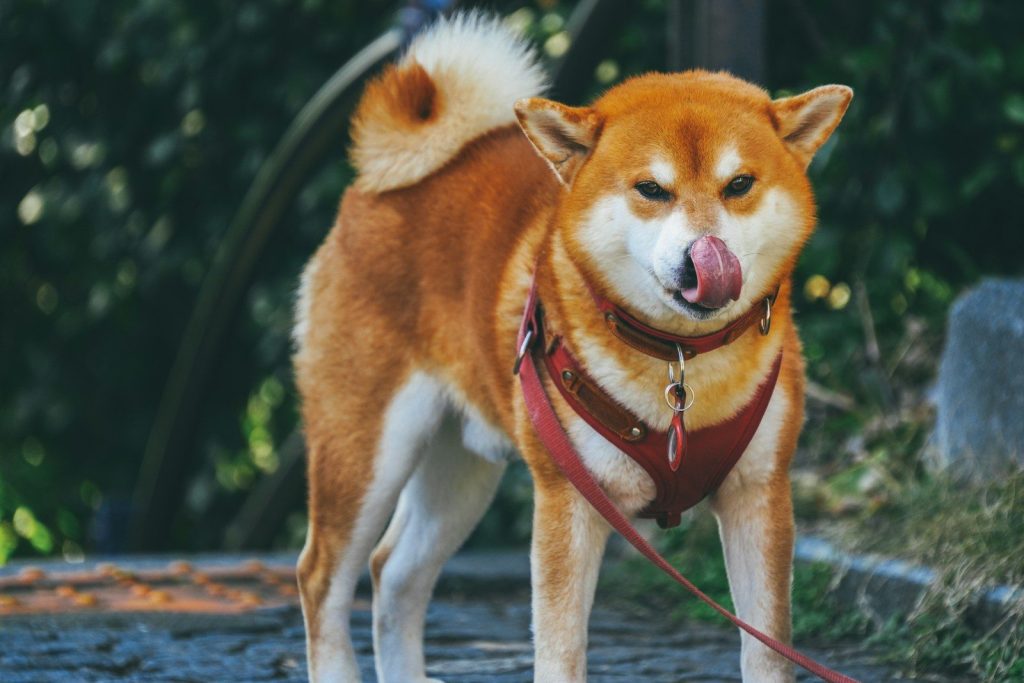
The Akita is a strong and independent breed with a history of guarding and protection. It tends to be deeply devoted to its family while remaining reserved around strangers.
Its confident personality can make training challenging for inexperienced owners. Consistent socialization is essential from an early age.
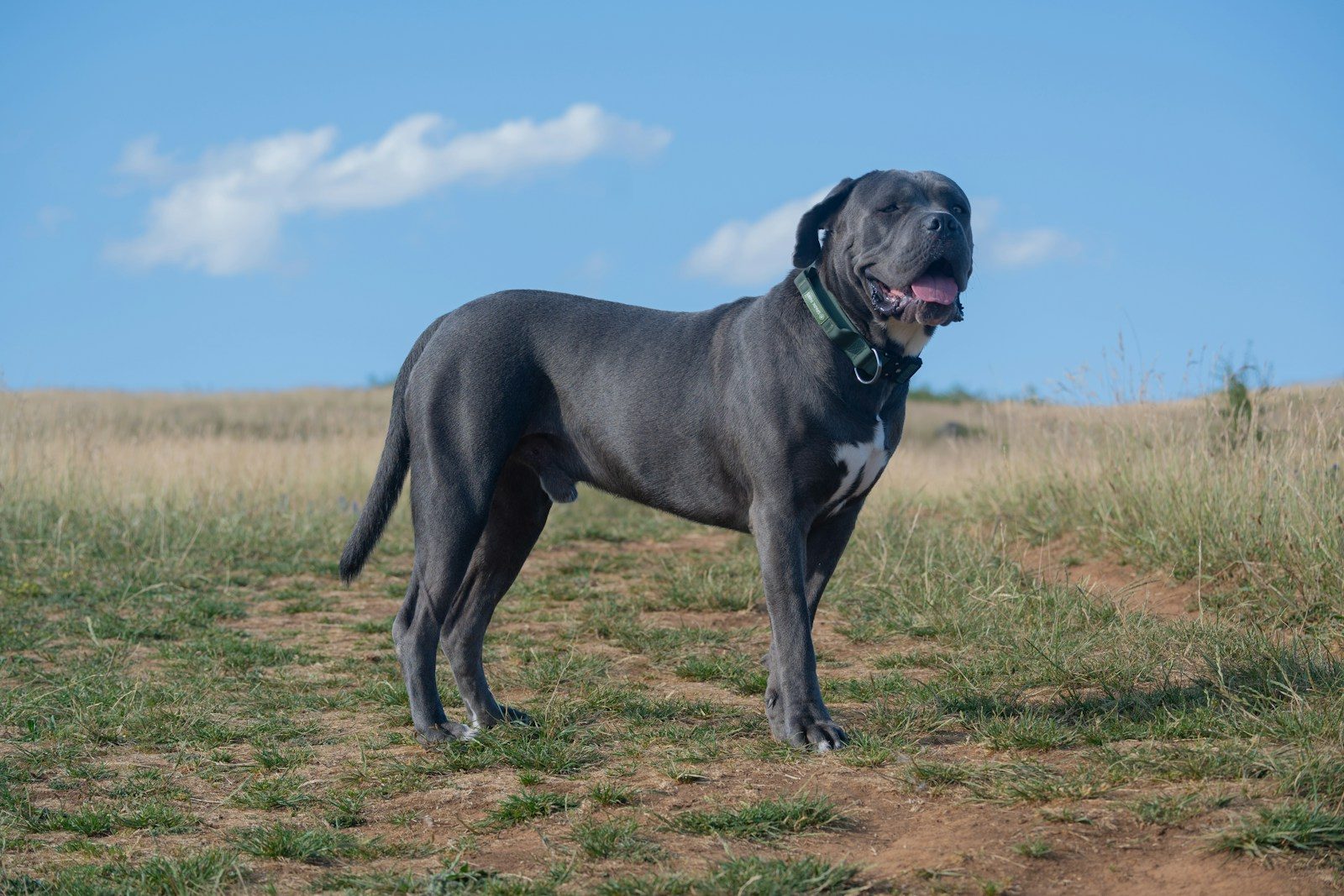
Cane Corso
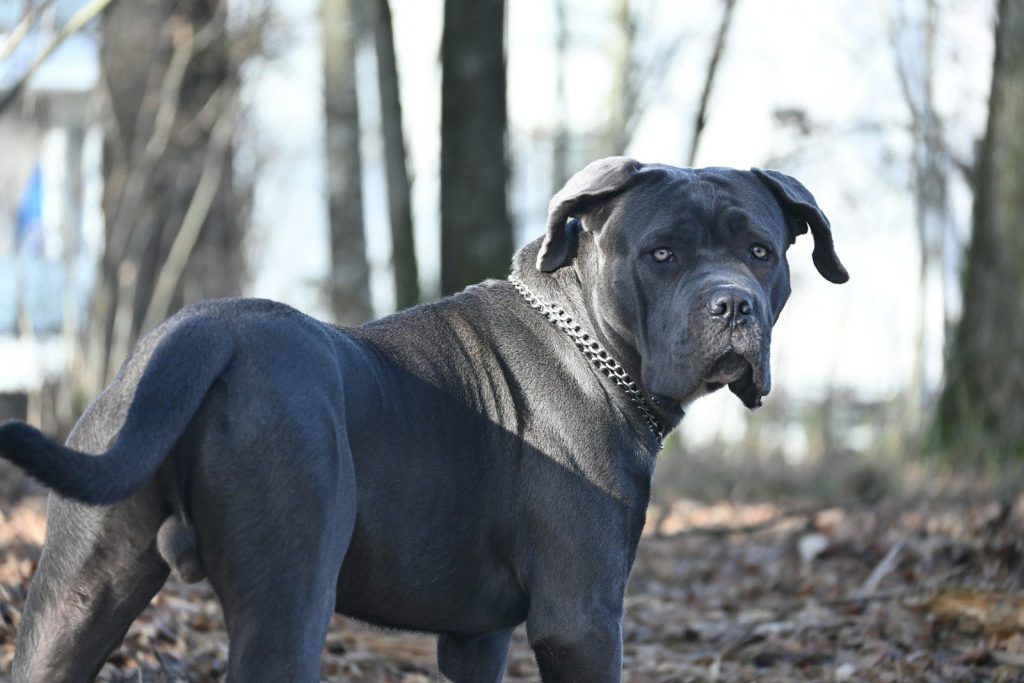
The Cane Corso is a large guardian breed developed to protect property and livestock. Its imposing size and natural confidence contribute to its reputation.
Owners must provide clear leadership and ongoing training throughout the dog’s life. A well managed Cane Corso is typically calm and attentive.
Siberian Husky
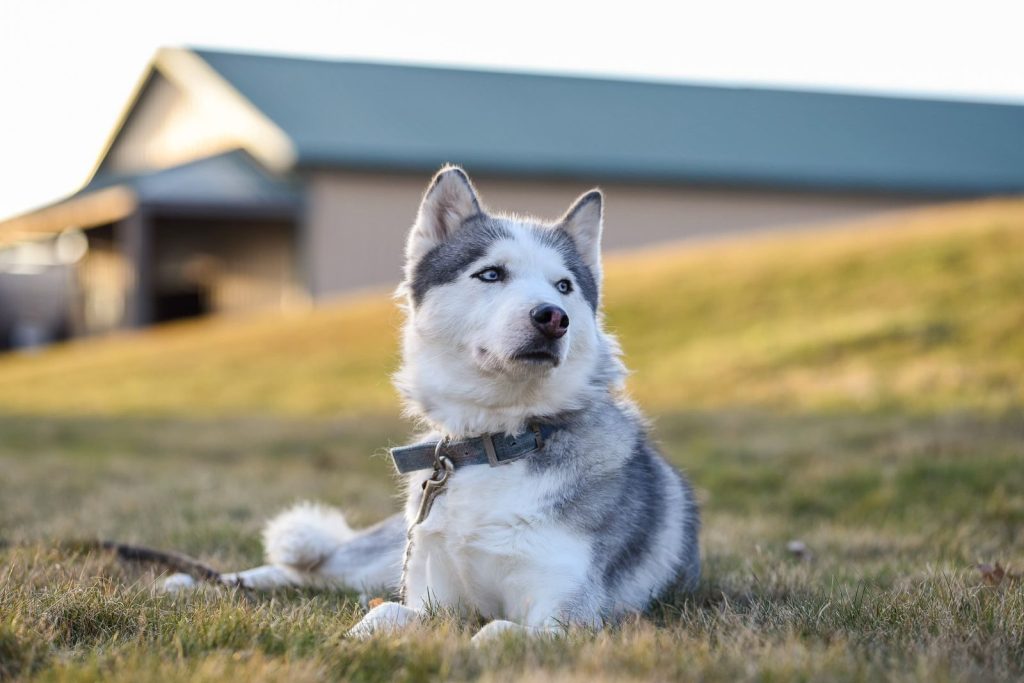
The Siberian Husky is not generally known for aggression, but it is frequently included in discussions because of its strength and independence. This breed can be difficult to manage without adequate exercise and supervision.
Huskies thrive in active households where their physical and mental needs are met. Boredom and lack of structure can lead to behavioral problems.