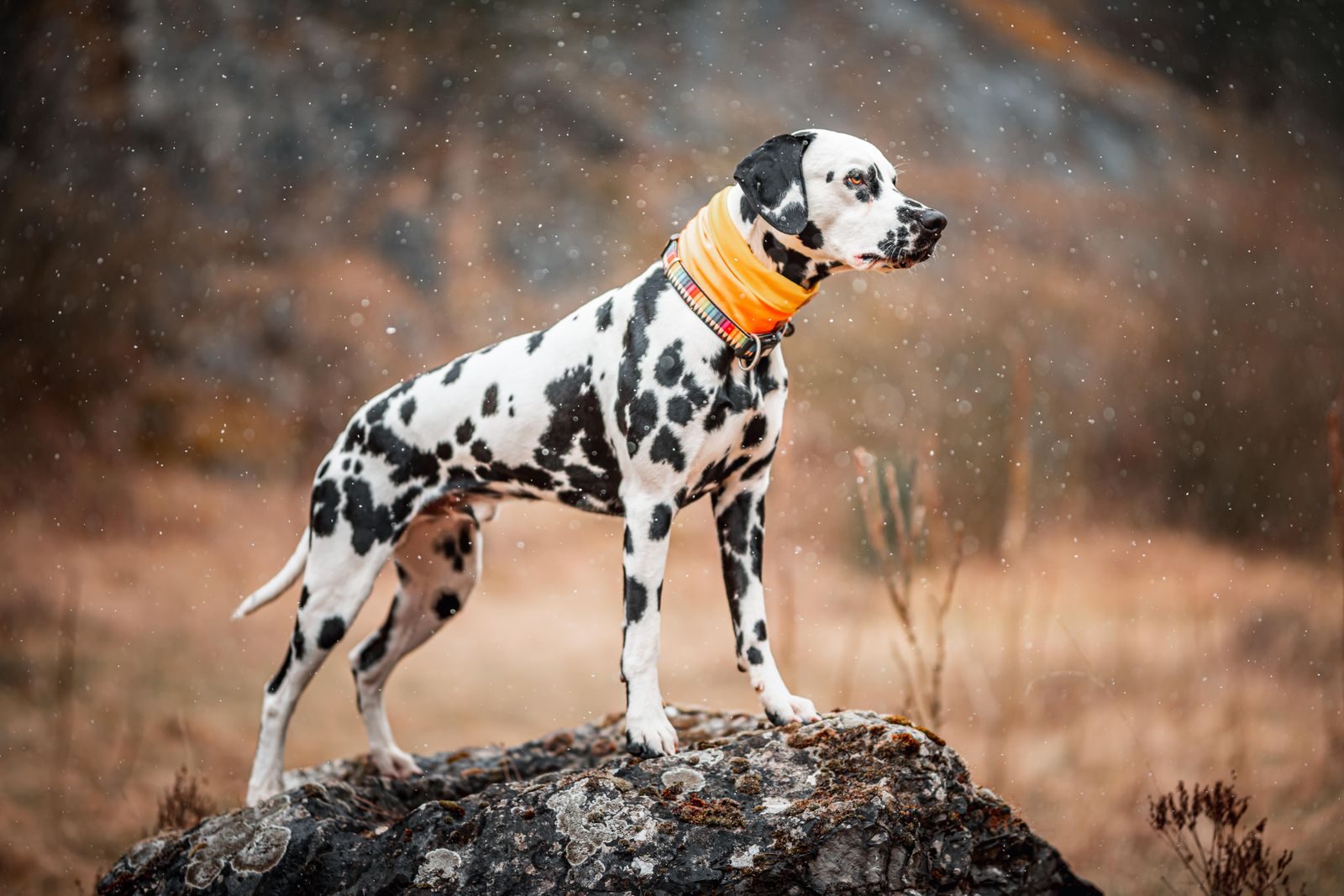
Dogs bring companionship, loyalty, and joy to millions of households, but their lifespans can vary significantly depending on breed, size, and genetics Dog. In general, larger dog breeds tend to have shorter lifespans than their smaller counterparts.
While individual health, diet, and care play important roles, certain breeds are known for having lower average life expectancies. Understanding these factors can help prospective owners make informed decisions when choosing a pet.
Great Dane
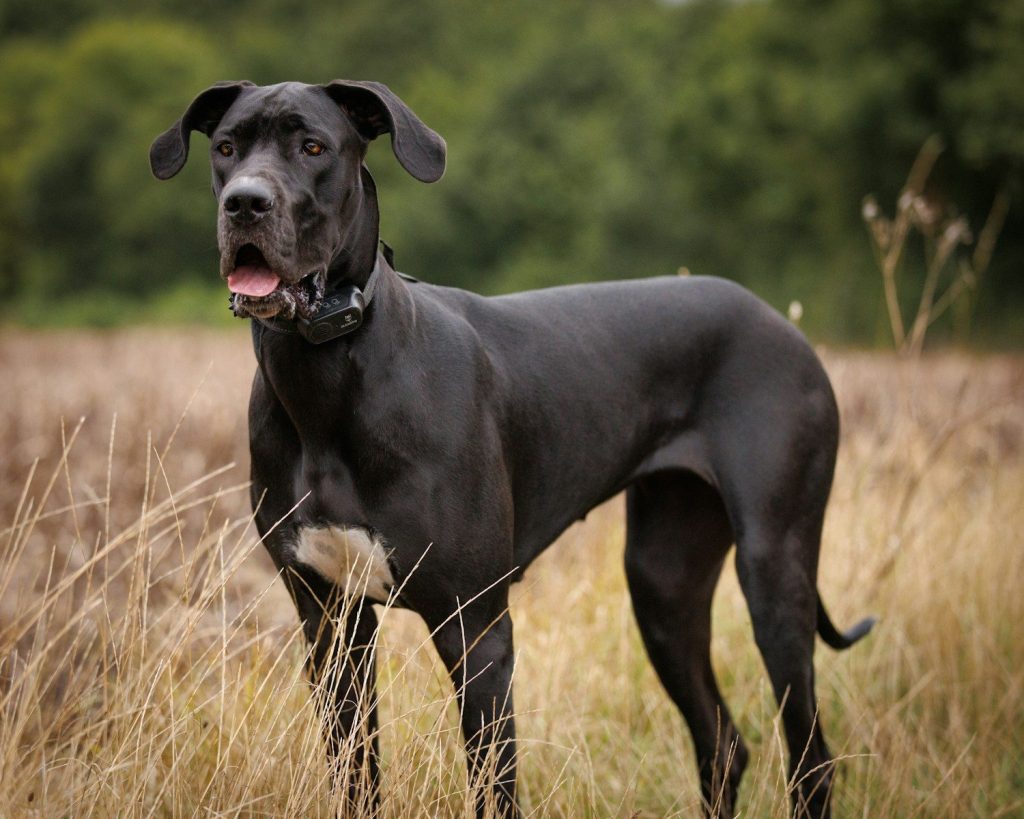
The Great Dane is one of the largest dog breeds in the world and is known for its impressive size Great Dane. Despite its gentle nature, its average lifespan is often shorter than many other breeds.
Rapid growth and size related health issues can contribute to a reduced life expectancy. Even so, Great Danes remain beloved family companions.
Bernese Mountain Dog
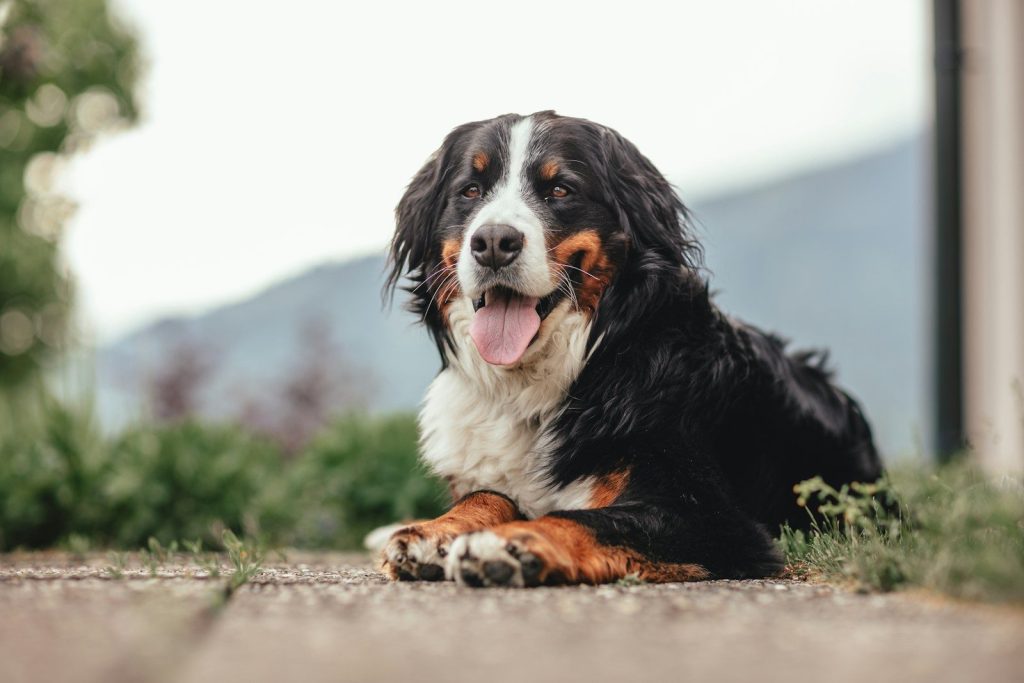
The Bernese Mountain Dog is admired for its friendly temperament and striking appearance Bernese Mountain Dog. Unfortunately, it is also known for having a relatively short lifespan.
The breed has a higher risk of certain hereditary health conditions. Regular veterinary care can help manage some of these concerns.
Irish Wolfhound
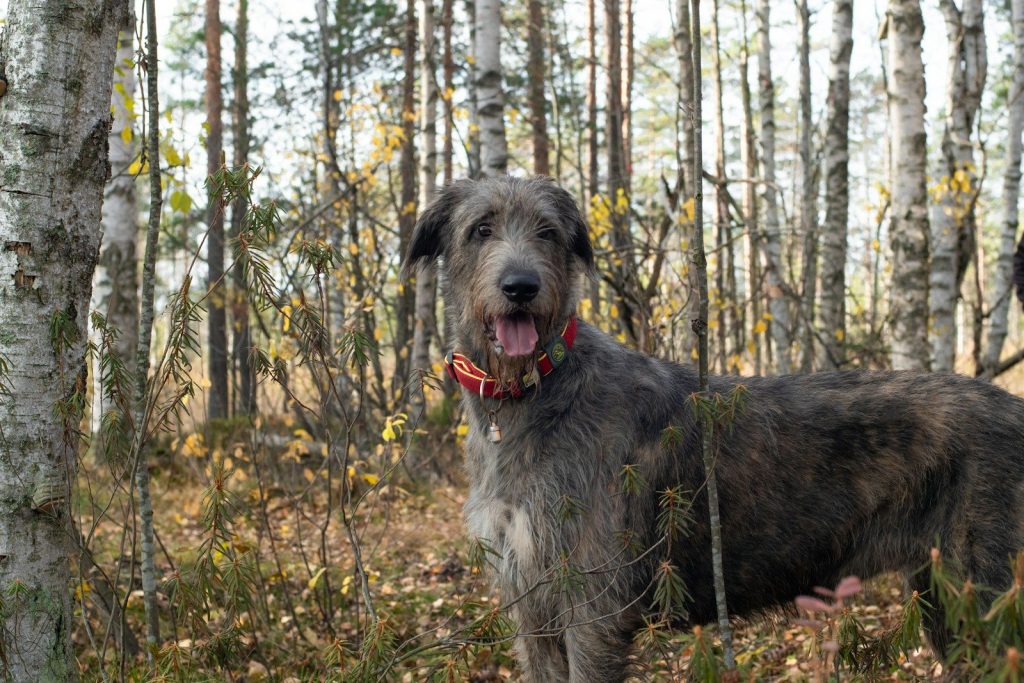
The Irish Wolfhound is famous for its towering height and calm personality Irish Wolfhound. Like many giant breeds, it tends to have a shorter average lifespan.
Its large frame places additional demands on the body over time. Despite this, it is widely appreciated for its gentle and affectionate nature.
Saint Bernard
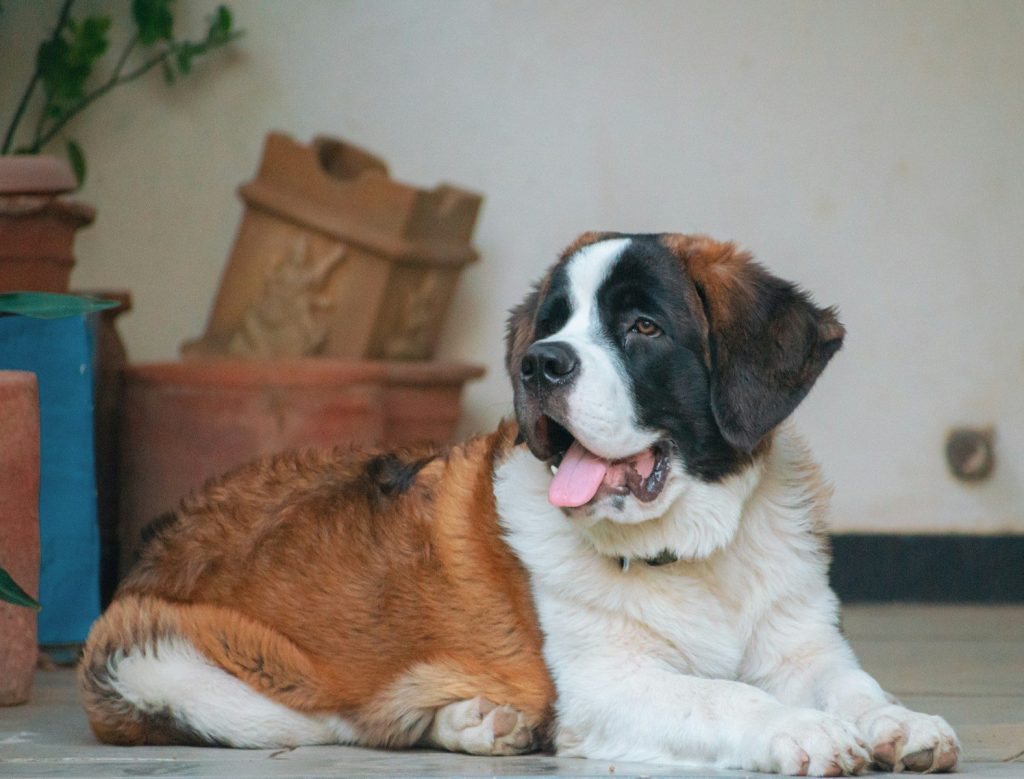
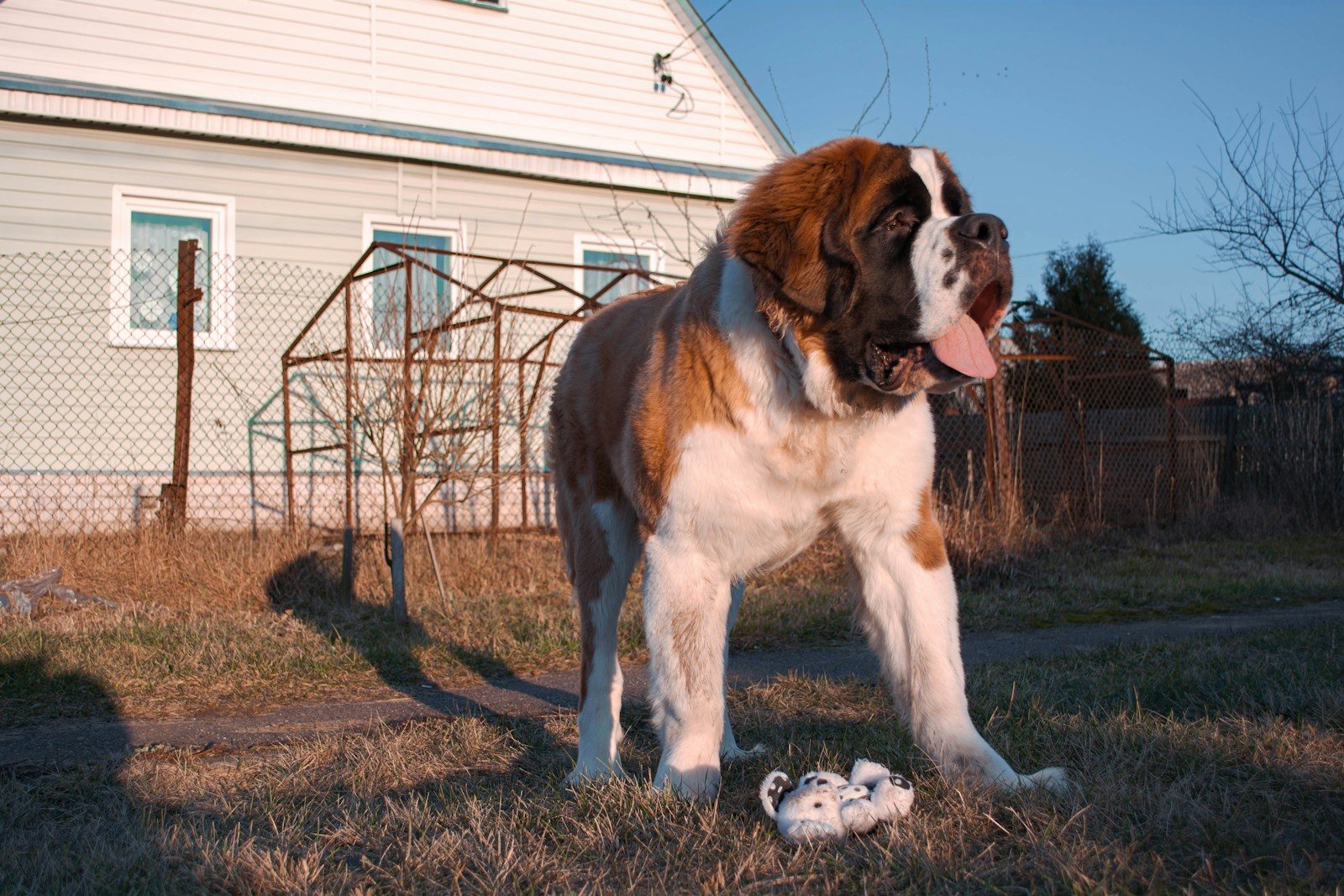
The Saint Bernard is recognized for its history as a rescue dog in mountainous regions Saint Bernard. Its massive build contributes to a lifespan that is often shorter than average.
Joint issues and other size related health challenges can affect long term wellbeing. Proper nutrition and weight management are particularly important for this breed.
Bullmastiff

The Bullmastiff is a powerful guardian breed with a loyal and protective personality Bullmastiff. Its lifespan is generally shorter than that of many medium sized dogs.
Like other giant breeds, it may experience health issues related to rapid growth and body size. Regular exercise and veterinary monitoring are important.
Leonberger
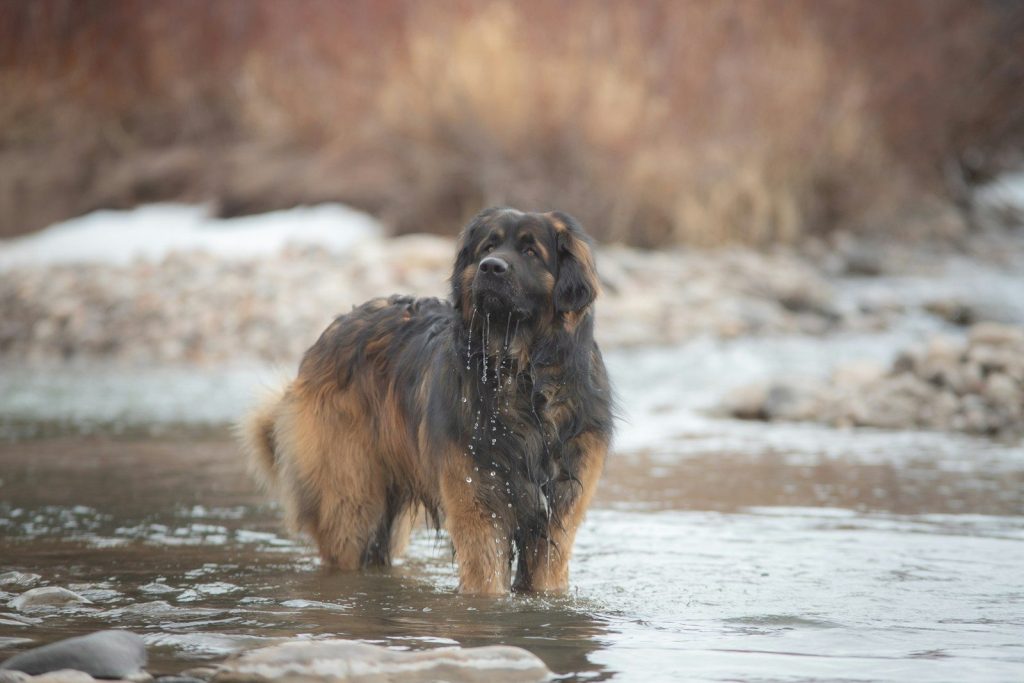
The Leonberger combines strength, elegance, and a friendly temperament Leonberger. Despite these appealing qualities, it is known for having a relatively brief lifespan.
Large breed health concerns can affect its longevity. Owners often focus on preventive care to help support overall wellbeing.