Living with more than one dog can be rewarding, but it also comes with challenges when the household is empty. Ensuring that dogs coexist peacefully while their owners are away requires preparation, consistency, and a good understanding of canine behavior.
Creating a calm environment and encouraging positive interactions can reduce tension and prevent conflicts. With the right approach, dogs can learn to share space comfortably even when no one is around to supervise.
Establish Clear Household Routines
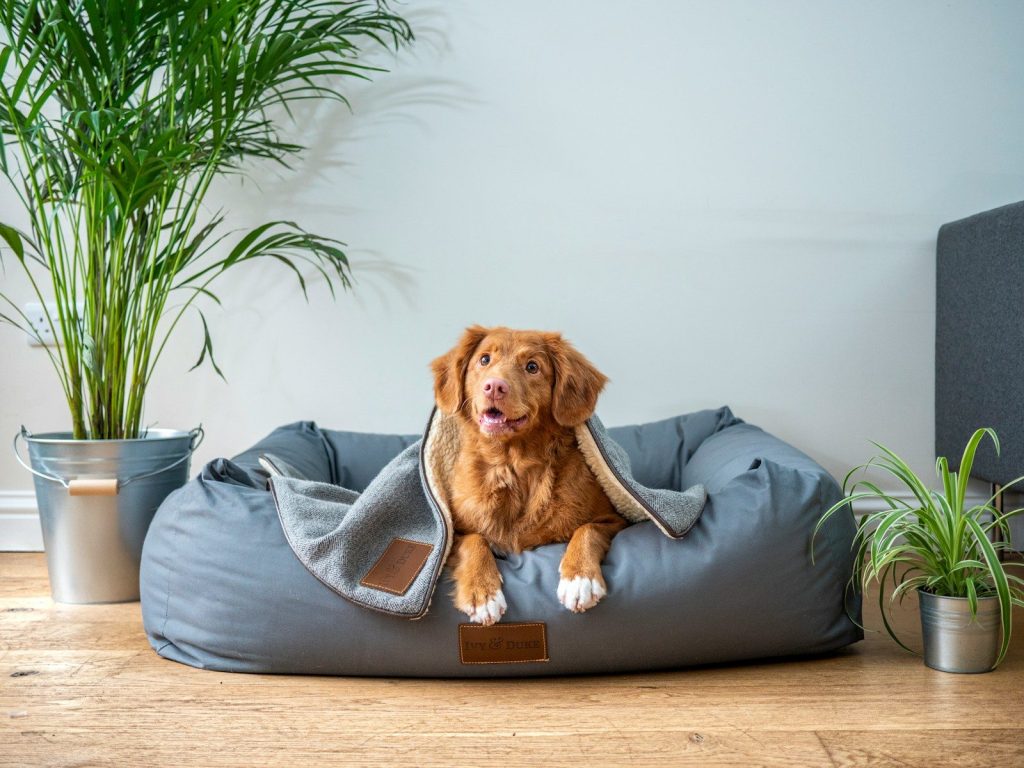
Dogs often feel more secure when they know what to expect each day. Consistent feeding, exercise, and rest schedules help reduce stress and uncertainty.
Predictable routines can also minimize competition between dogs. When each pet understands the daily structure, there is less chance of anxiety driven behavior.
Provide Separate Personal Spaces
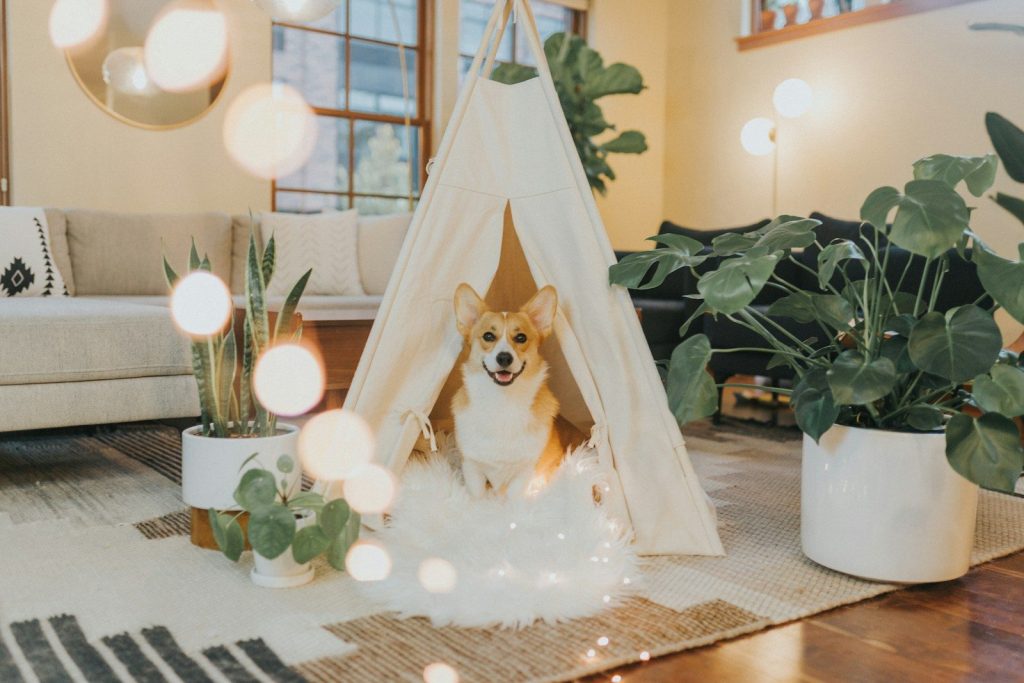
Every dog benefits from having a designated area where it can relax undisturbed. Personal spaces help prevent territorial disputes and give each dog a sense of security.
These areas can include beds, crates, or quiet corners of the home. Having room to retreat can reduce tension and encourage peaceful coexistence.
Encourage Positive Interactions
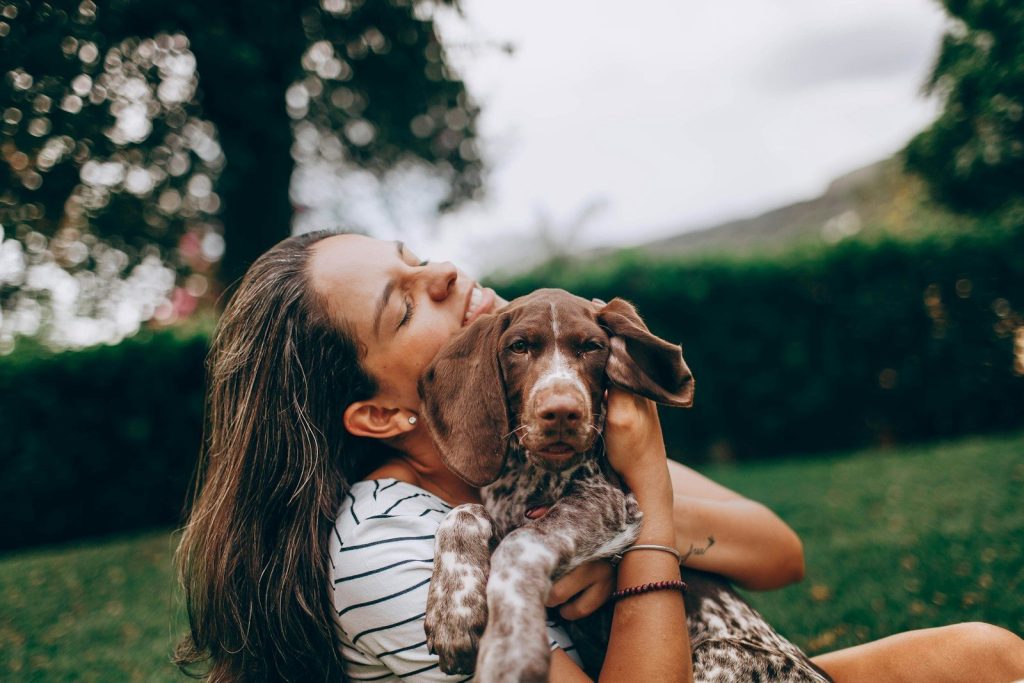
Rewarding calm and friendly behavior helps dogs associate one another with positive experiences. Praise and treats can reinforce cooperative interactions over time.
Consistent encouragement builds trust between dogs and strengthens their relationship. Positive experiences often create a more harmonious household dynamic.
Make Sure Exercise Needs Are Met
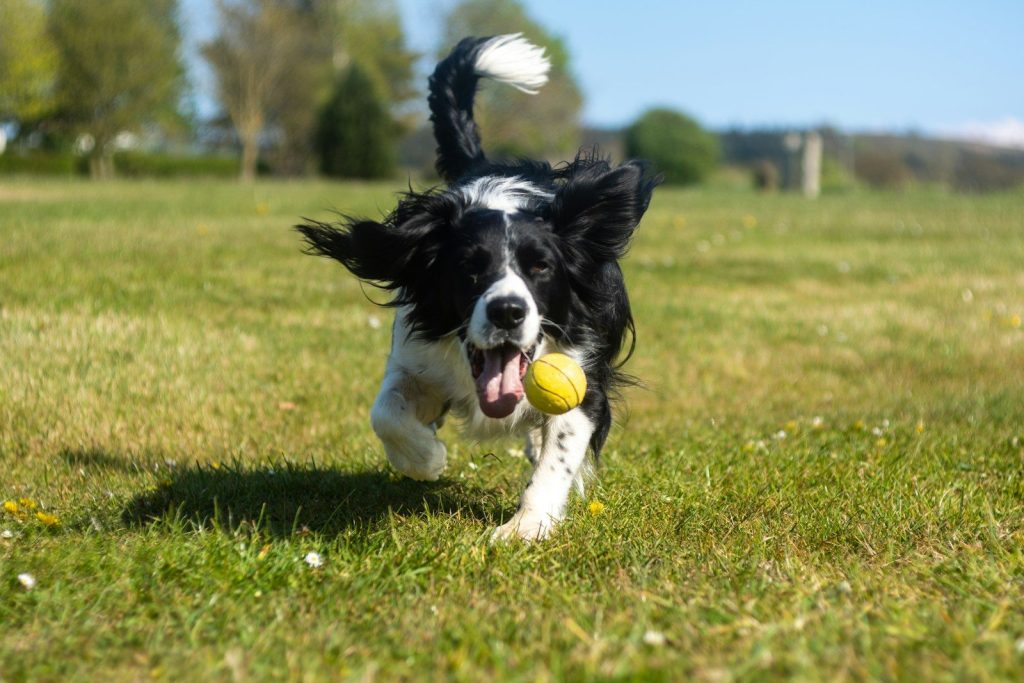
Dogs with excess energy are more likely to become frustrated or engage in unwanted behaviors. Adequate exercise before owners leave the house can help promote relaxation.
Physical activity also provides mental stimulation and reduces boredom. Tired dogs are generally more likely to rest peacefully during the day.
Manage Valuable Resources Carefully
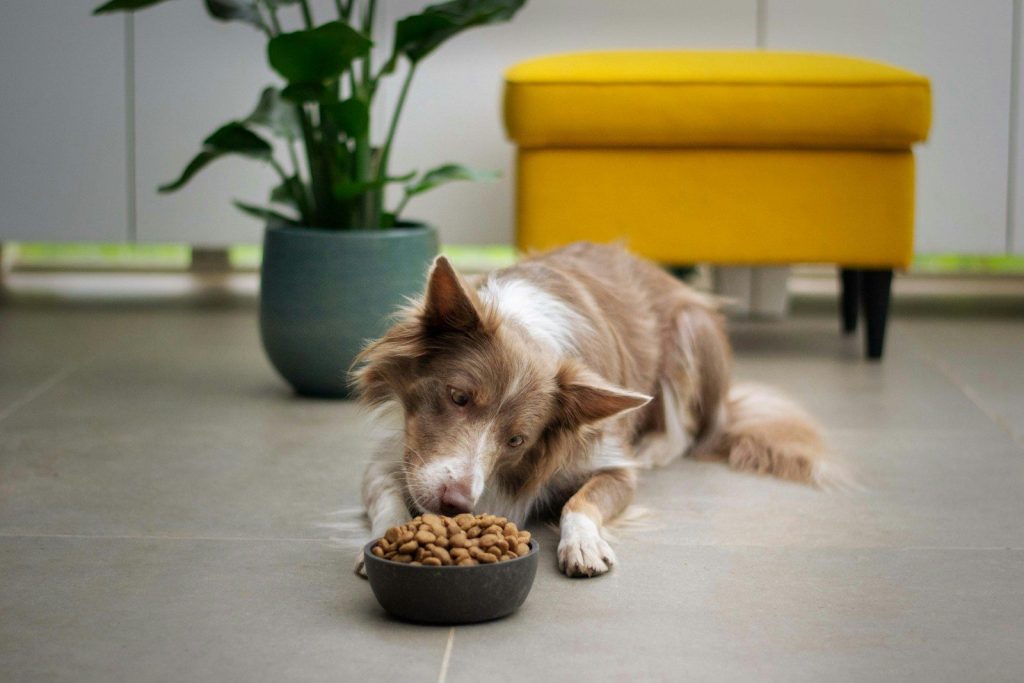
Competition over food, toys, and resting spots can lead to disagreements between dogs. Providing separate resources helps reduce the likelihood of conflict.
Ensuring that each dog has access to its own essentials promotes a sense of fairness. This approach can help prevent possessive or territorial behavior.
Use Gradual Independence Training
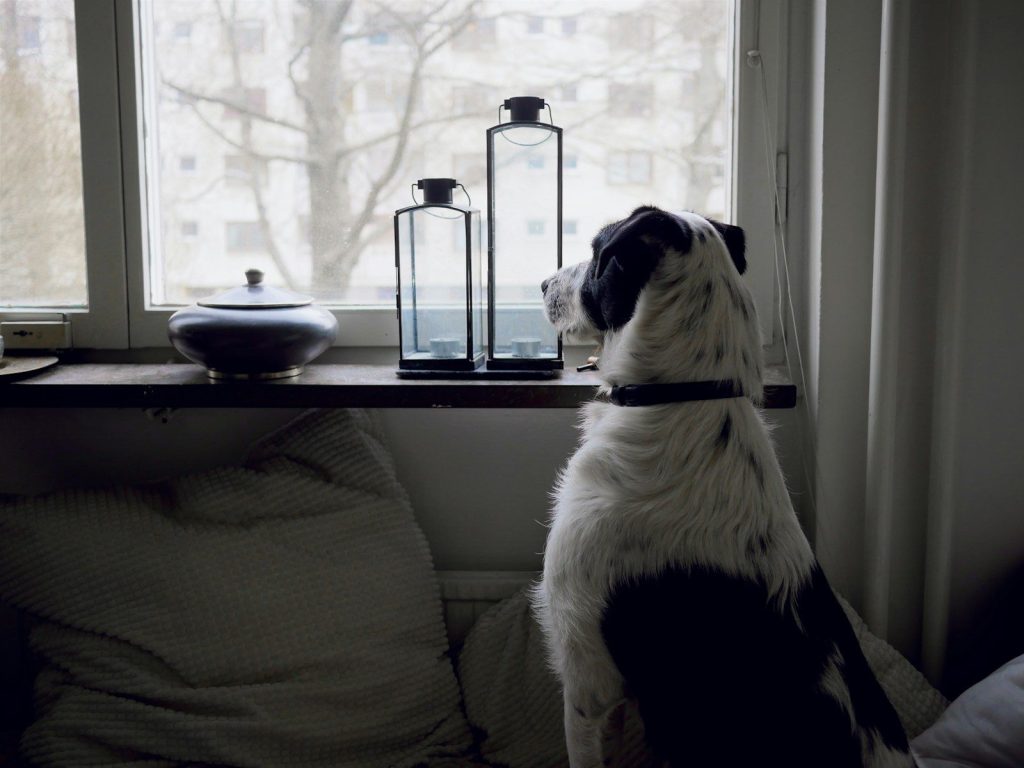
Dogs that are comfortable spending short periods apart often cope better when left alone together. Gradual independence training helps build confidence and reduce stress.
Starting with brief absences and slowly increasing the duration can create positive habits. This process allows dogs to adapt to being unsupervised in a controlled way.