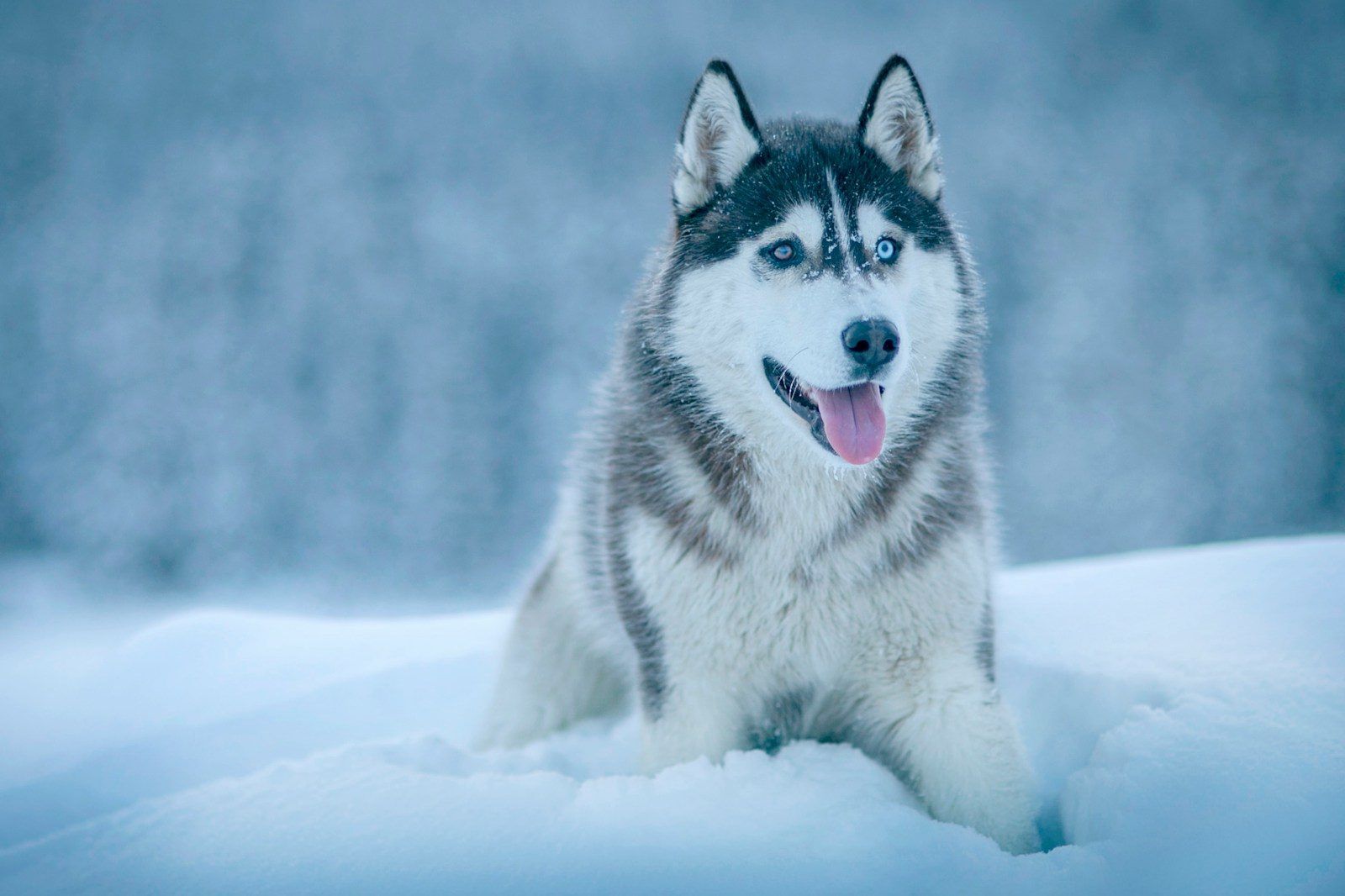
The Siberian Husky is a striking and energetic breed known for its wolf like appearance and strong personality Siberian Husky. While many people are drawn to their beauty and charm, living with them often comes with unique challenges that surprise first time owners.
These dogs were originally bred for endurance and working in harsh climates, which still shows in their modern behavior. Understanding their traits can help potential owners decide if this breed fits their lifestyle.
Escape Artist Tendencies That Surprise Many Owners
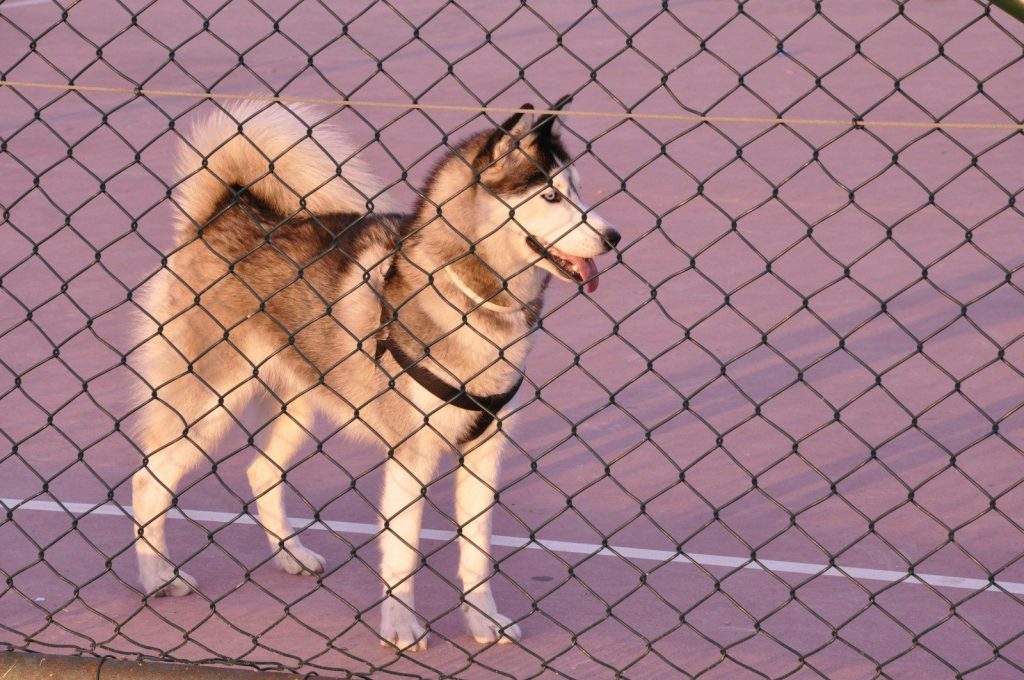
One of the most common concerns with Huskies is their strong ability to escape from yards and enclosures. Their intelligence and curiosity often push them to test fences and find creative ways out.
This behavior is not usually about disobedience but rather instinct and problem solving. Owners often need reinforced fencing and constant supervision to keep them secure.
Heavy Shedding and Coat Maintenance Challenges
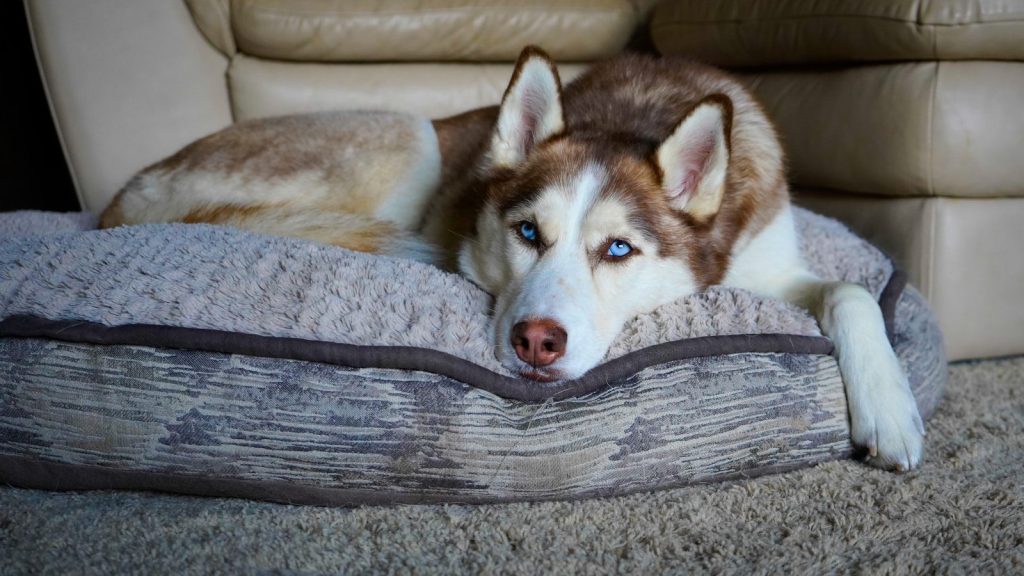
Huskies are known for their thick double coats that shed heavily throughout the year. Seasonal shedding can become especially intense and require daily grooming to manage.
This level of shedding often surprises owners who are not prepared for the maintenance involved. Regular brushing is essential to keep loose fur under control and maintain coat health.
Extremely High Energy Levels That Require Commitment
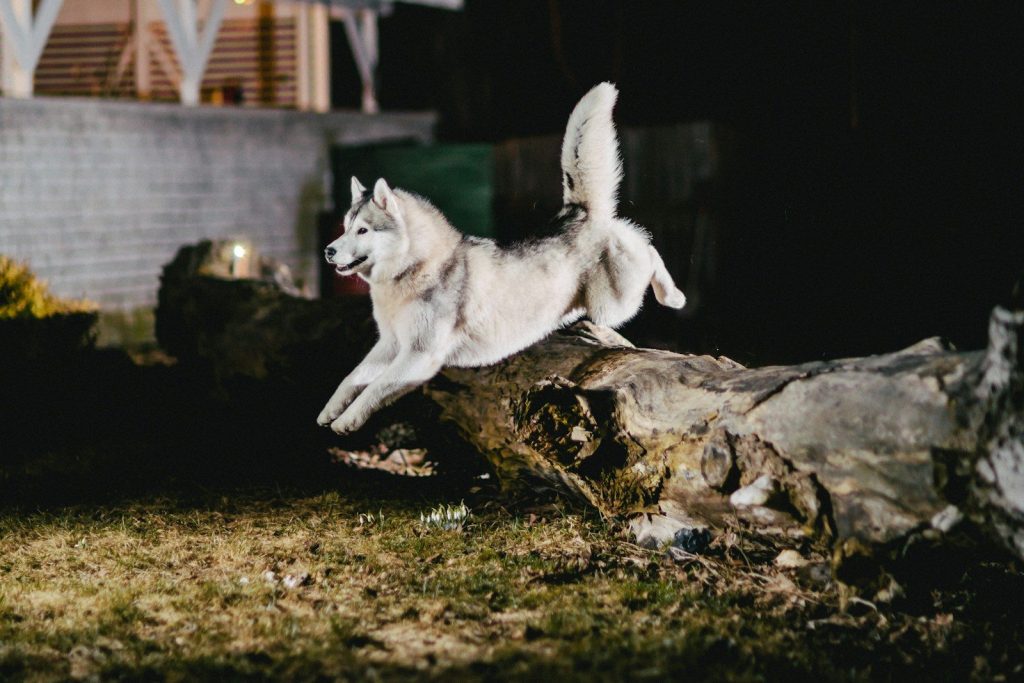
Huskies are built for endurance and have very high energy needs that must be met daily. Without proper exercise, they can become restless and develop unwanted behaviors.
Long walks, running sessions, and mental stimulation are necessary to keep them balanced. A simple short walk is usually not enough for this active breed.
Vocal Behavior That Can Be Loud and Frequent
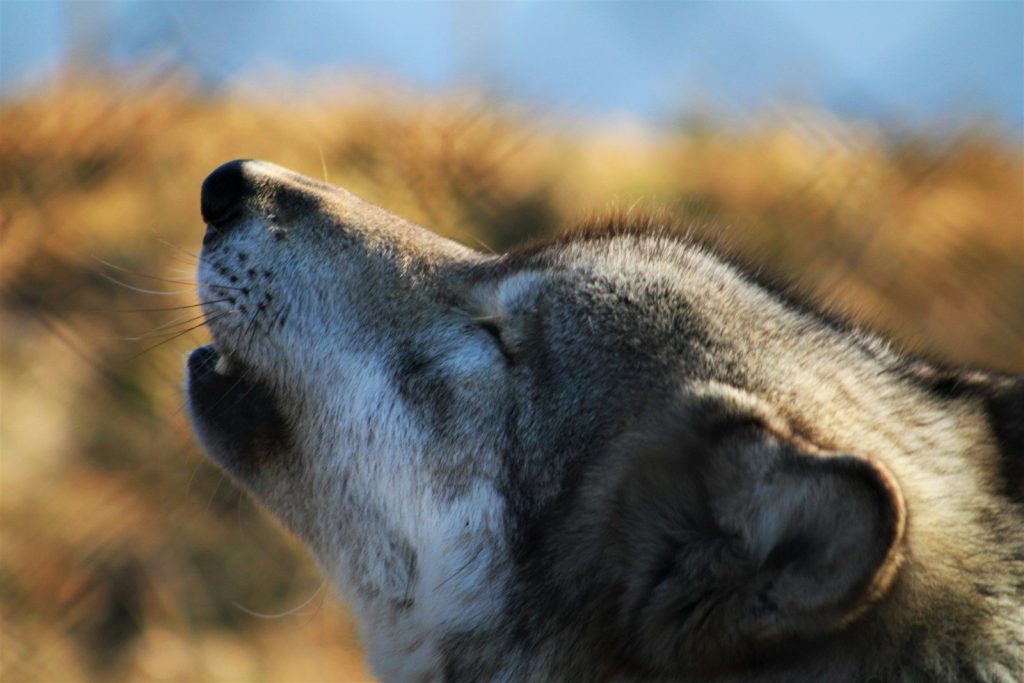
Many Husky owners report that these dogs are highly vocal and enjoy howling more than barking. This form of communication can be frequent and sometimes loud.
They often “talk” in response to attention, excitement, or boredom. This trait can be charming for some owners but challenging in quiet living environments.
Independent Nature That Can Make Training Difficult
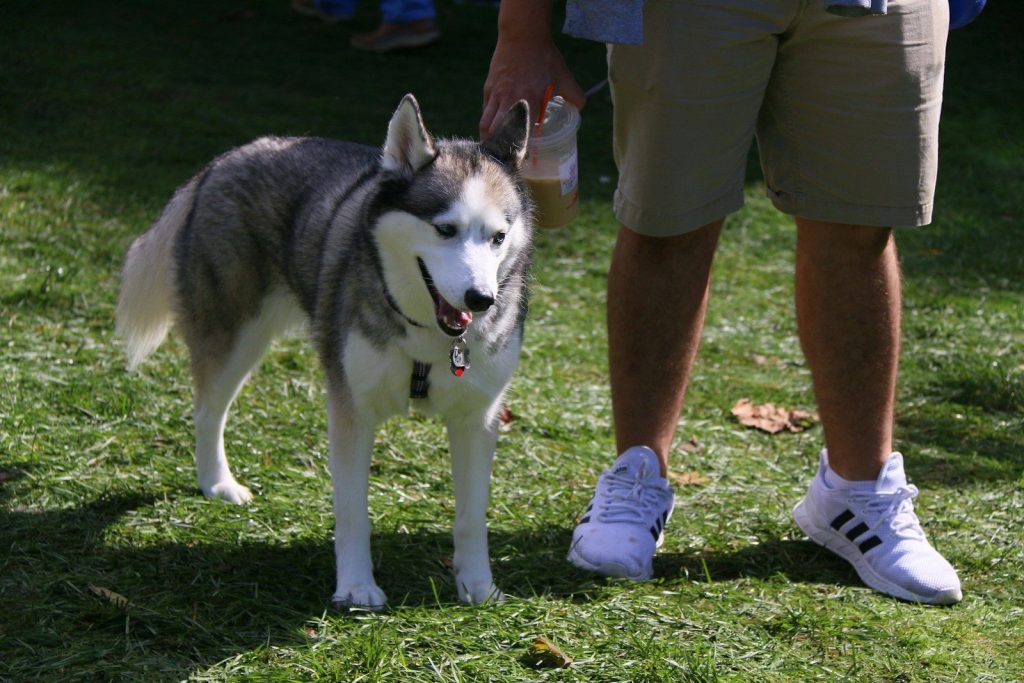
Huskies are intelligent but also famously independent, which can make training more challenging. They may understand commands but choose not to follow them immediately.
Consistent training and patience are required to build reliable obedience. Positive reinforcement tends to work better than strict correction methods.
Strong Prey Drive That Requires Careful Management
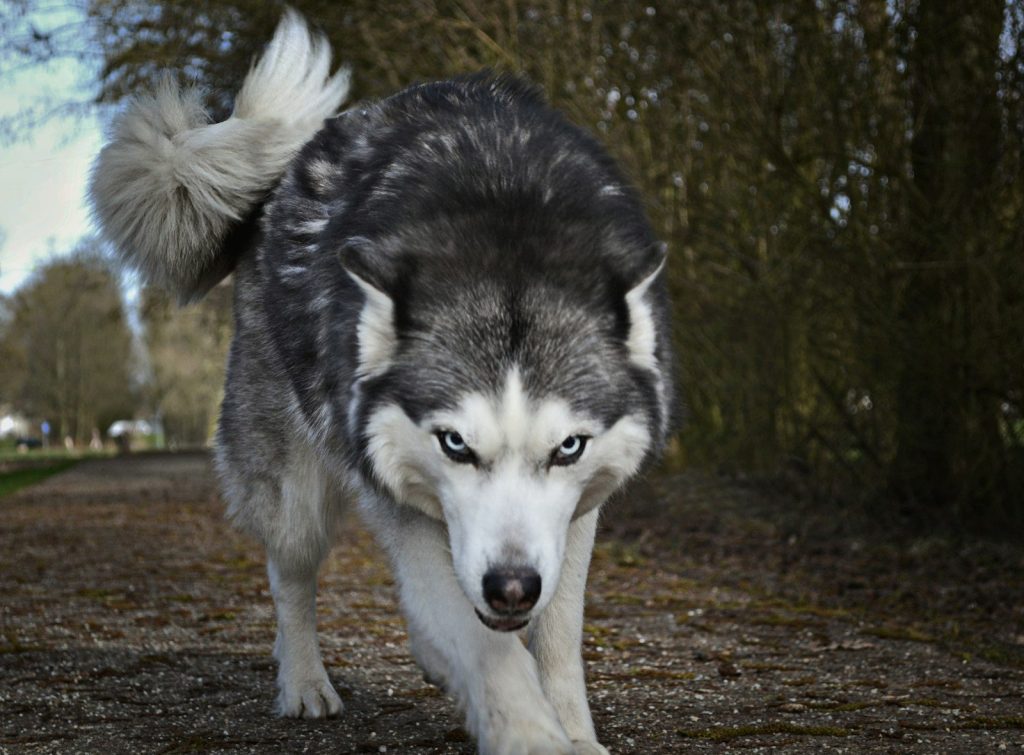
Huskies often have a strong instinct to chase smaller animals due to their natural prey drive. This can include cats, squirrels, or other small pets if not properly managed.
Early socialization and secure leashing are important for safety in public spaces. Owners should always be cautious in uncontrolled environments.