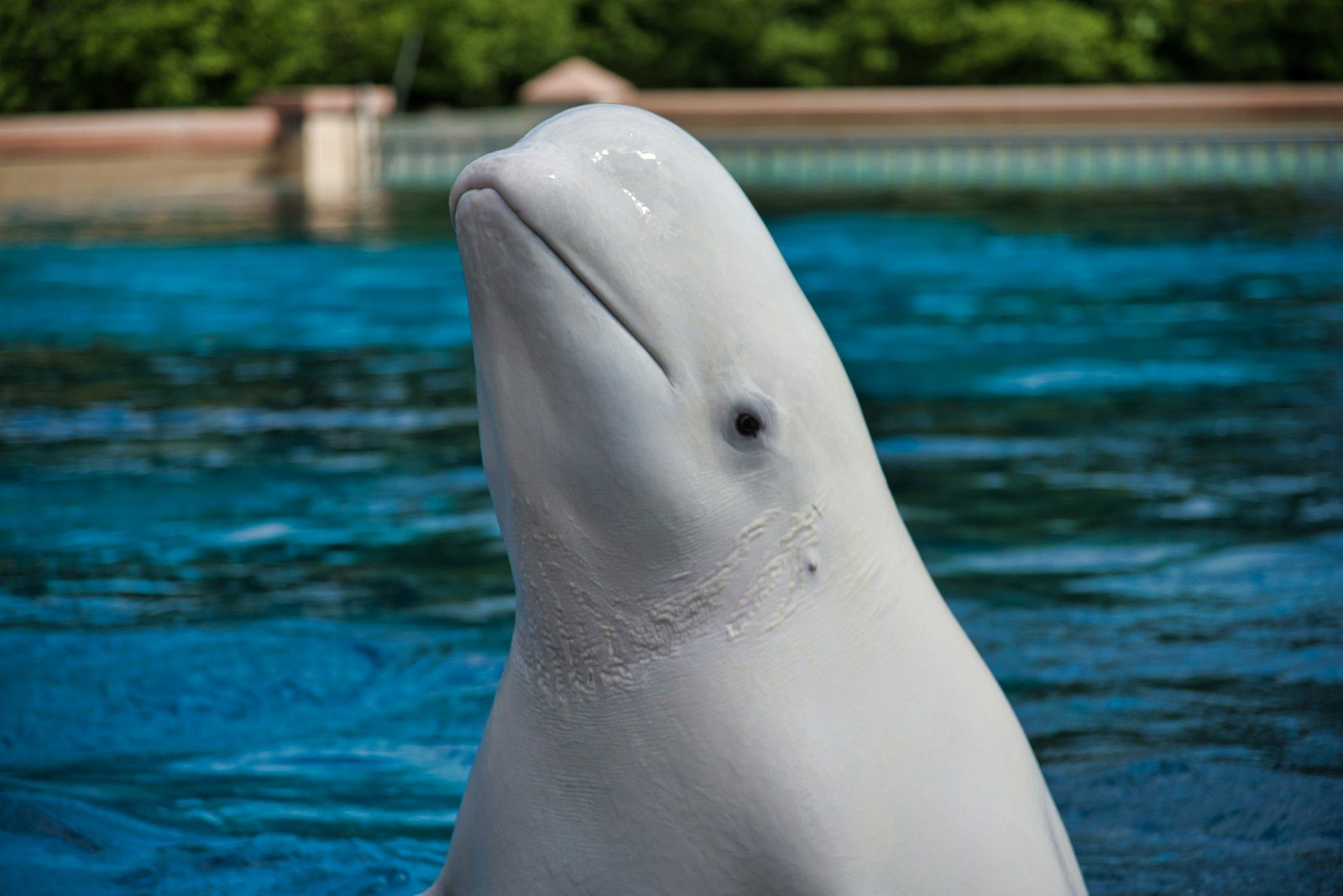
Canadian authorities have approved the transfer of dozens of beluga whales from Marineland in Ontario, marking a significant moment in the ongoing debate over marine mammal captivity. The decision could reshape the future of one of the largest captive beluga populations in North America and has drawn widespread attention from animal welfare groups and conservation experts.
The relocation plan is being described as one of the most substantial marine mammal transfer efforts in recent years.
Years of Concern Over Animal Welfare
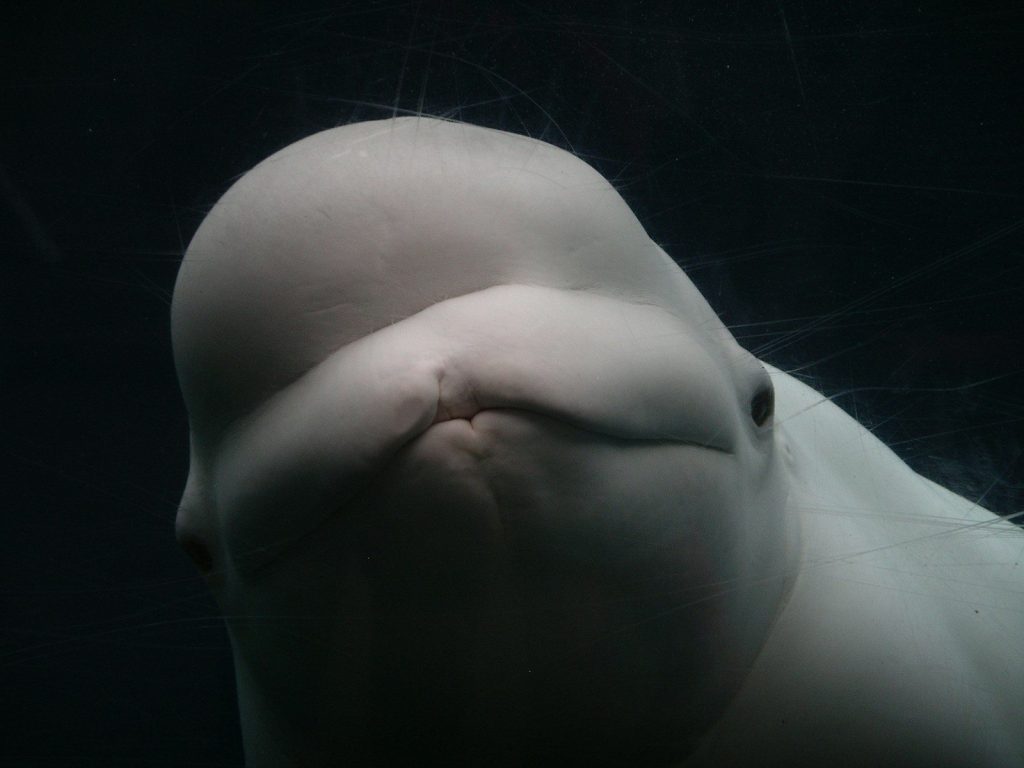
Marineland has faced long-standing scrutiny over the care and living conditions of its animals. Over time, the park has been the subject of public criticism, investigations, and legal challenges related to animal welfare standards and enclosure conditions.
While the facility has denied many of the allegations, concerns have persisted, fueling broader debate about the ethics and sustainability of keeping large marine mammals in captivity.
The approved transfer is widely seen as part of efforts to address these ongoing concerns.
Why Beluga Whales Are Difficult to Keep in Captivity
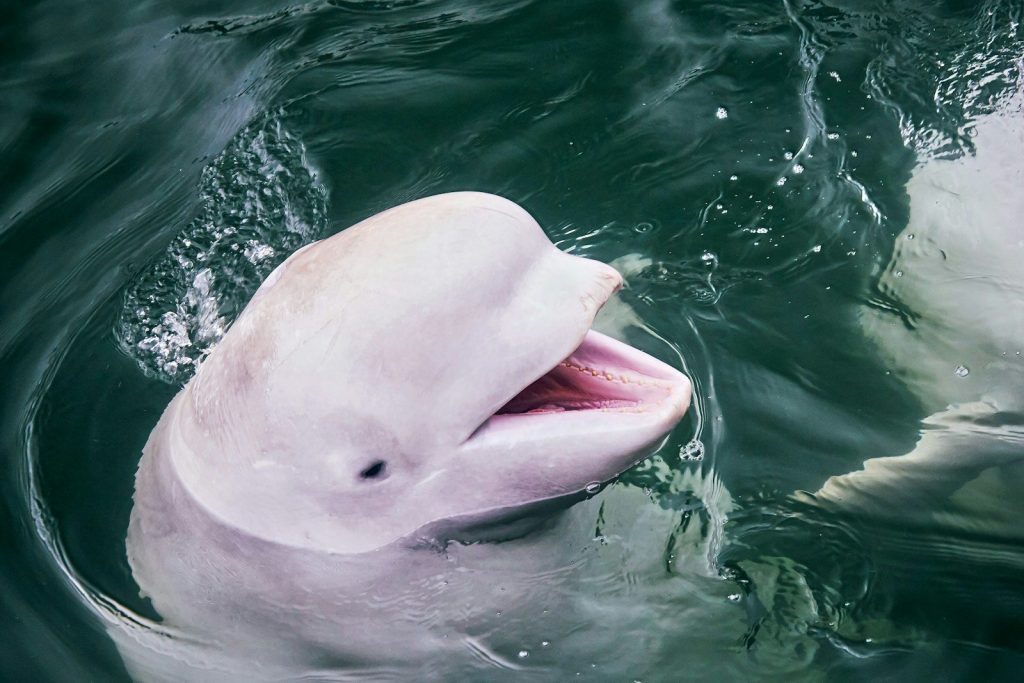
Beluga whales are highly social, intelligent animals that naturally live in large groups across Arctic and sub-Arctic waters. In the wild, they travel long distances, communicate constantly using complex vocalizations, and maintain dynamic social bonds.
These traits make their care in captivity especially challenging. Facilities must not only meet physical health needs but also replicate social structures, mental stimulation, and environmental complexity to support their wellbeing.
The Complex Process of Moving Marine Mammals
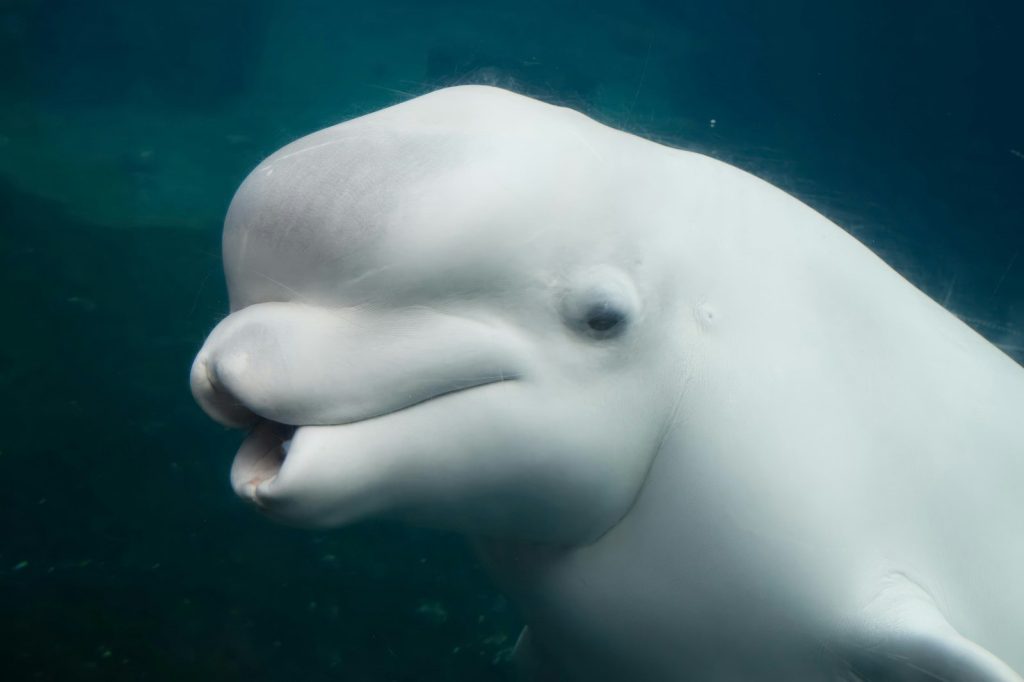
Relocating beluga whales is an extremely delicate operation. These animals can weigh over a ton and require specialized transport systems, veterinary supervision, and carefully controlled environmental conditions throughout the journey.
Because belugas are social creatures, experts must also consider group dynamics and established relationships when planning transfers. Separating or regrouping individuals can have significant effects on stress levels and adaptation.
As a result, such relocations often require months of planning and coordination.
The Ongoing Debate Over Whale Captivity
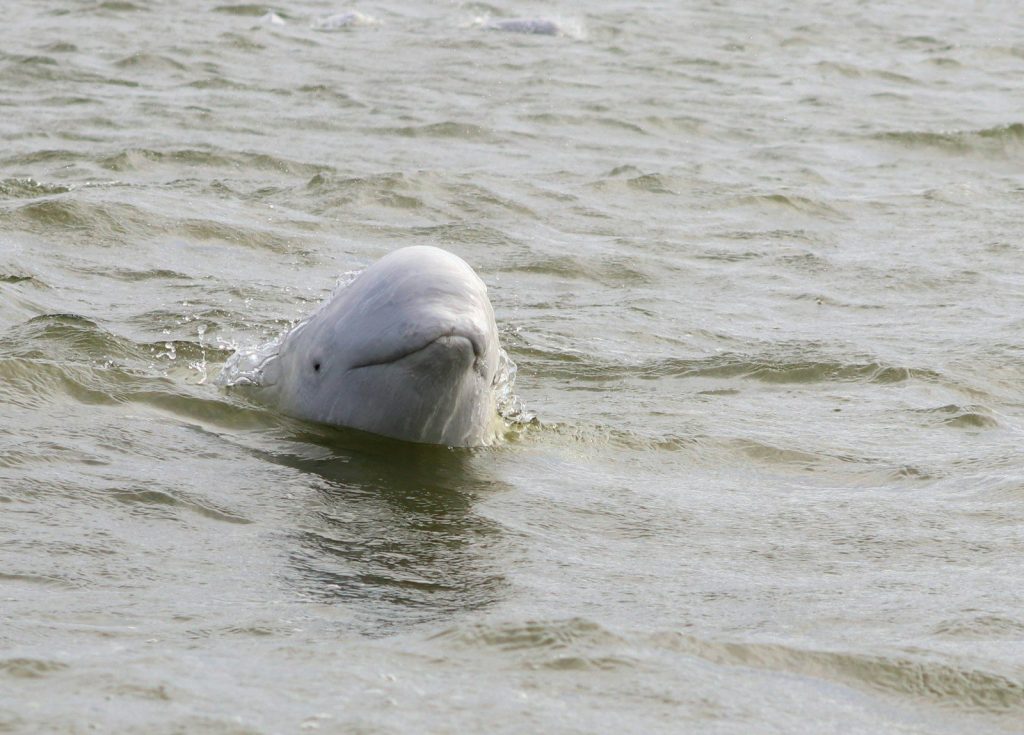
The decision also feeds into a much larger global conversation about keeping whales and dolphins in human care.
Supporters of marine parks argue that these institutions play a role in education, research, rescue, and conservation awareness. They also highlight advances in veterinary care that have come from working with marine mammals.
Critics argue that highly intelligent cetaceans cannot thrive in artificial environments and that captivity limits their natural behavior, movement, and social complexity.
Many countries have already introduced stricter rules around cetacean captivity, reflecting changing public attitudes.
What Comes Next for the Belugas
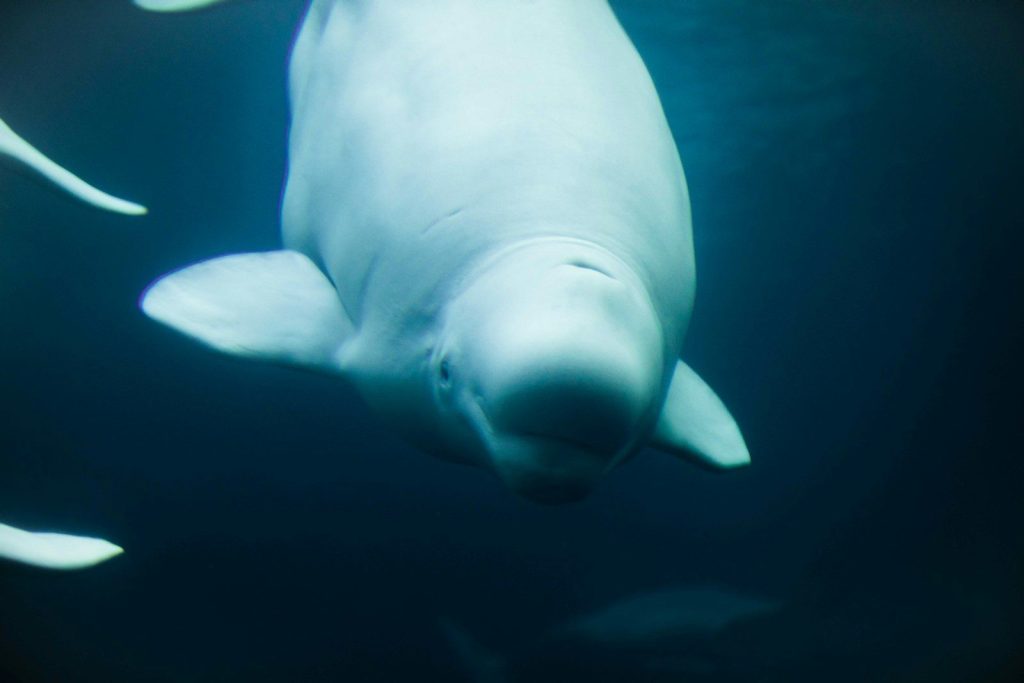
Although approval has been granted, the relocation itself will not happen immediately. Each step will require detailed planning, including health checks, transport preparation, and ensuring the receiving facility is fully equipped to care for the whales.
The timeline will depend on the condition of individual animals and logistical readiness.
A Turning Point in Marine Animal Care
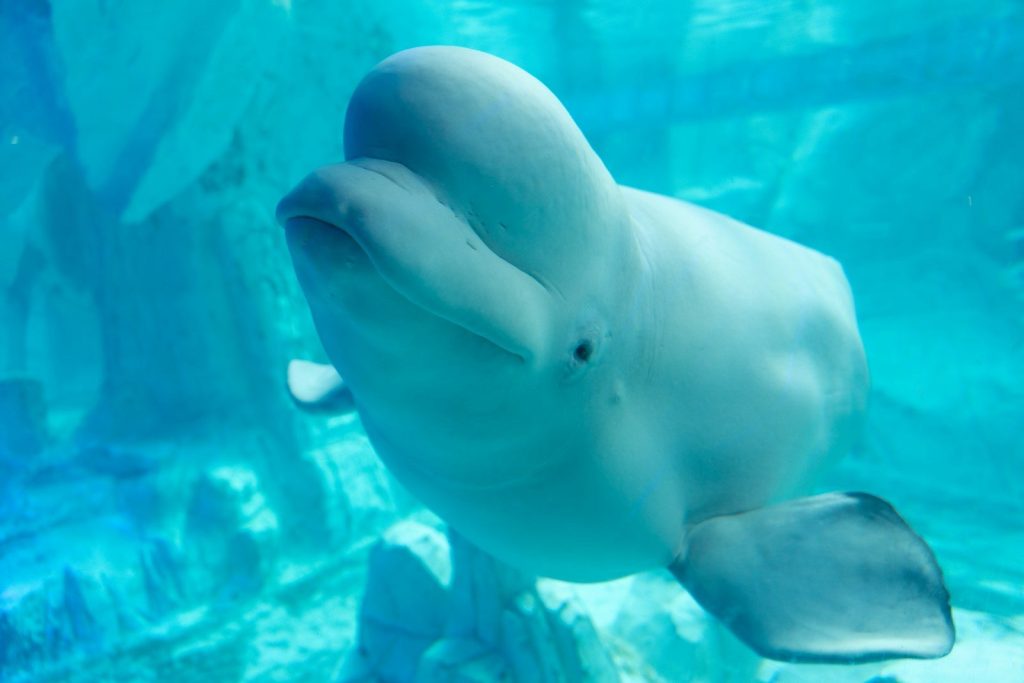
Beyond the immediate transfer, this decision represents a broader shift in how marine mammals are viewed and managed.
It highlights growing expectations for animal welfare, increased scrutiny of captive facilities, and evolving scientific understanding of cetacean needs.
For many observers, the relocation of these belugas may become an important case study in how governments and institutions balance animal welfare, public interest, and the future of marine conservation.