Costa Rica is celebrated worldwide for its rich biodiversity and commitment to conservation. However, a growing threat to one of its most recognizable wildlife species is forcing the country to confront an unexpected challenge. Hundreds of howler monkeys are being injured or killed each year after coming into contact with electrical infrastructure, prompting a landmark court ruling that could reshape wildlife protection efforts across the nation.
A Hidden Danger Above the Forest
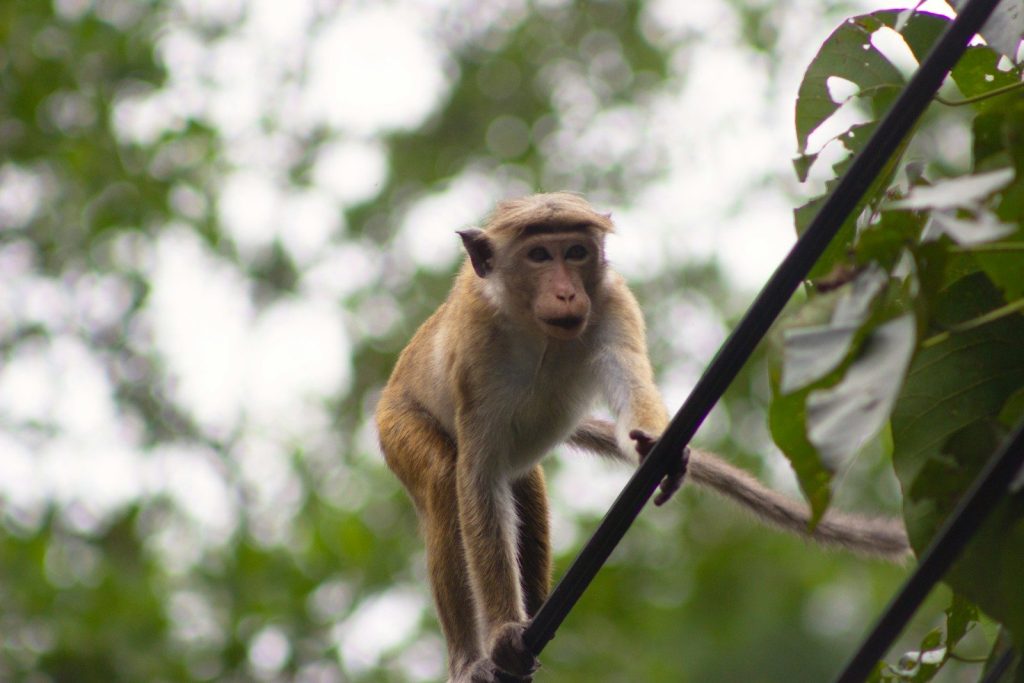
For many people, threats to wildlife often bring to mind habitat destruction, poaching, or climate change. For Costa Rica’s howler monkeys, however, one of the greatest dangers hangs above their heads.
Power lines crisscrossing fragmented forests have become deadly obstacles for animals that spend most of their lives in the treetops. Conservation organizations have documented a growing number of electrocution incidents, particularly in regions experiencing rapid development.
The problem has become so severe that Costa Rica’s constitutional court recently ordered authorities and the state electricity provider to implement measures aimed at reducing wildlife deaths caused by electrical infrastructure.
Why Monkeys Use Power Lines
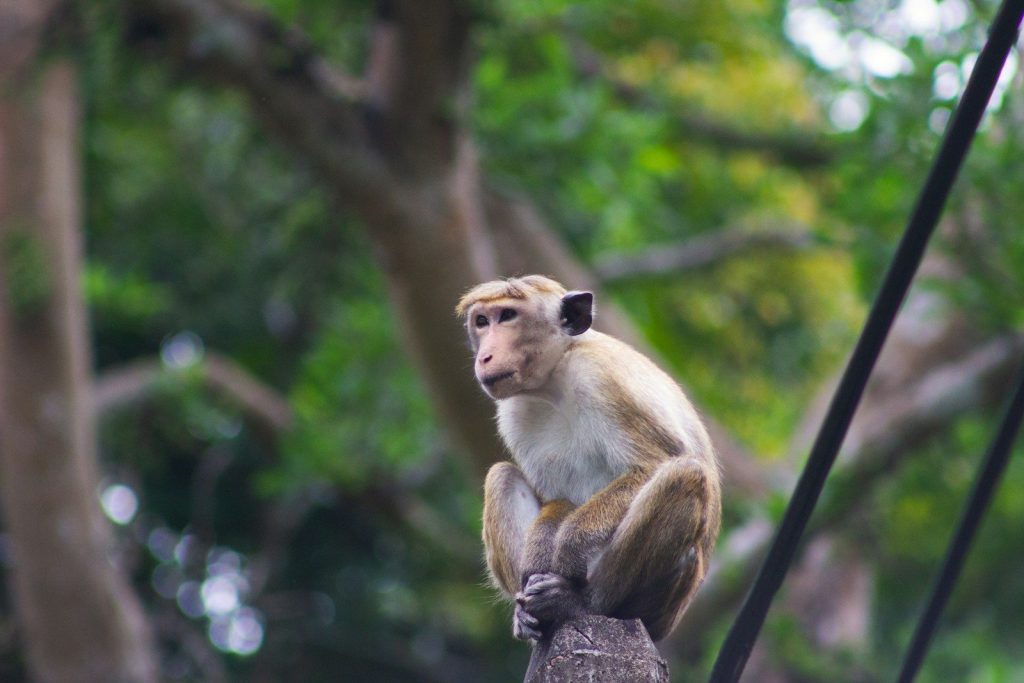
Howler monkeys evolved in dense forests where interconnected tree canopies allow them to travel safely above the ground. They rely on these natural pathways to find food, shelter, and social groups.
As development expands, forests are increasingly divided by roads, homes, hotels, and other structures. In many areas, power lines now span the gaps between isolated patches of habitat.
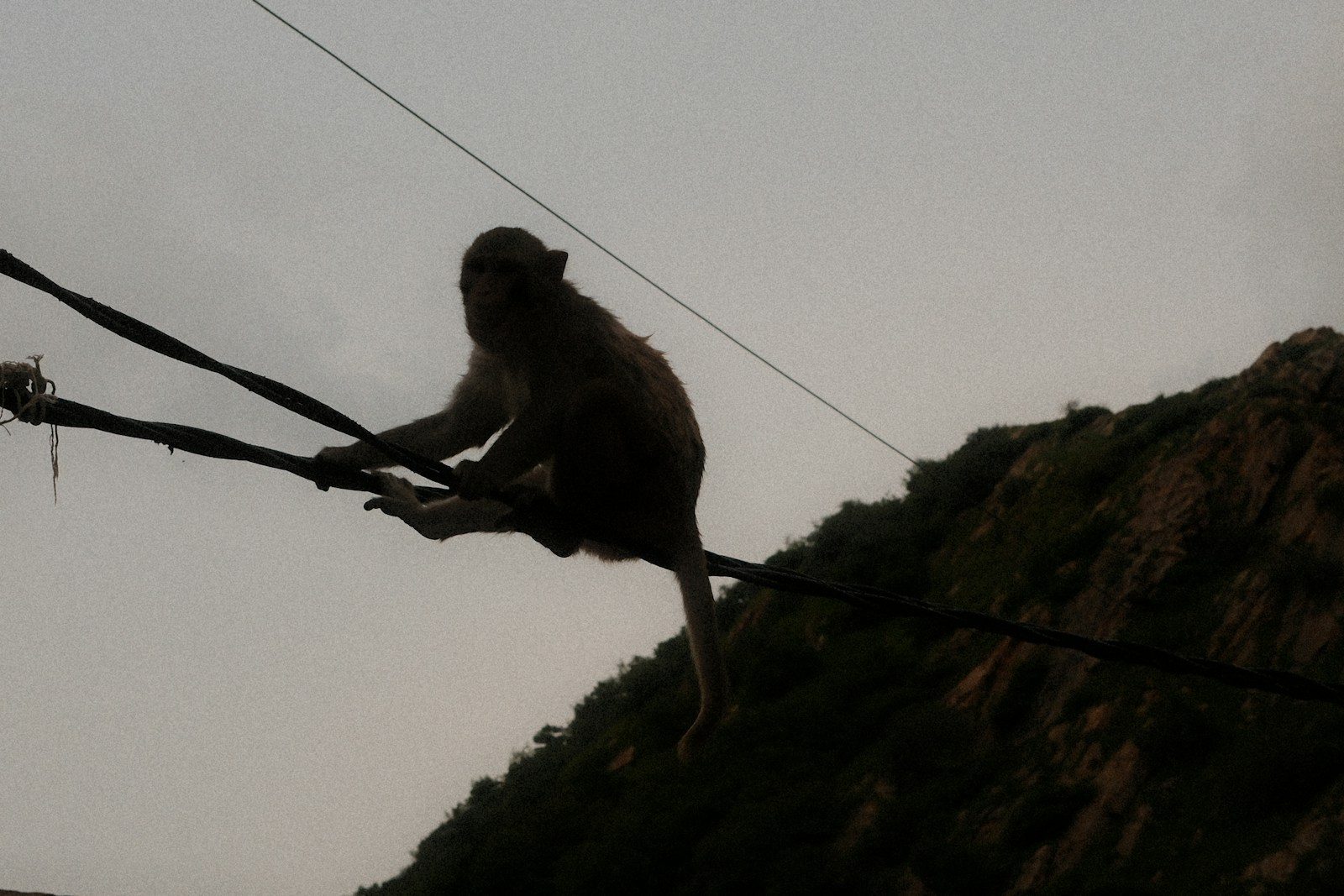
To a monkey, these cables can appear similar to tree branches connecting one section of forest to another. Unfortunately, when animals attempt to cross transformers, exposed wires, or electrical equipment, the consequences can be fatal.
Even monkeys that survive electrocution often suffer severe burns, broken bones, internal injuries, or dangerous falls from significant heights.
Development Is Making the Problem Worse
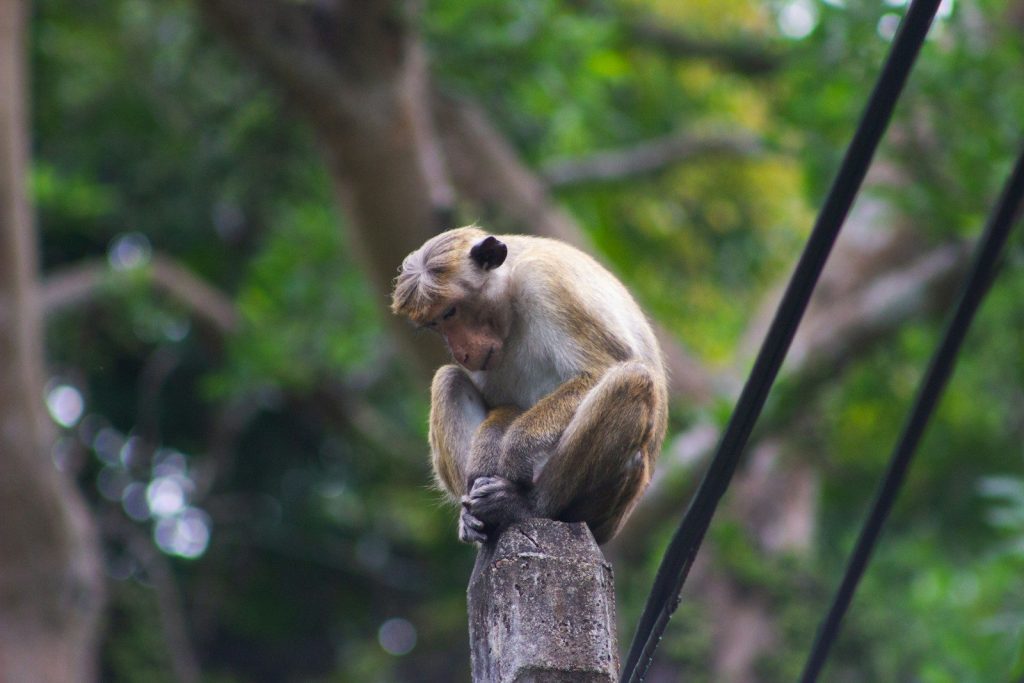
The issue is especially visible in Nosara, a popular destination on Costa Rica’s Pacific coast that has experienced significant growth in tourism and residential development.
As new infrastructure expands into wildlife habitats, conservation groups report an increase in electrocution cases. Rescue centers have treated large numbers of injured animals, with howler monkeys representing the majority of victims.
The challenge extends beyond Costa Rica. Similar incidents involving monkeys, sloths, squirrels, and other tree-dwelling species have been reported in countries across Africa, Asia, and Latin America where natural habitats have become fragmented.
A Landmark Court Decision

The recent court ruling represents a major victory for wildlife conservation.
Judges concluded that both the state electricity company and environmental authorities had failed to adequately address known risks posed by uninsulated power lines. As a result, they ordered corrective measures to be implemented within six months.
Conservationists hope the decision will set an important precedent for future infrastructure planning and wildlife protection efforts throughout the country.
Rather than focusing solely on individual incidents, the ruling acknowledges the broader responsibility of ensuring that development projects consider their impact on local ecosystems.
Solutions Are Already Available
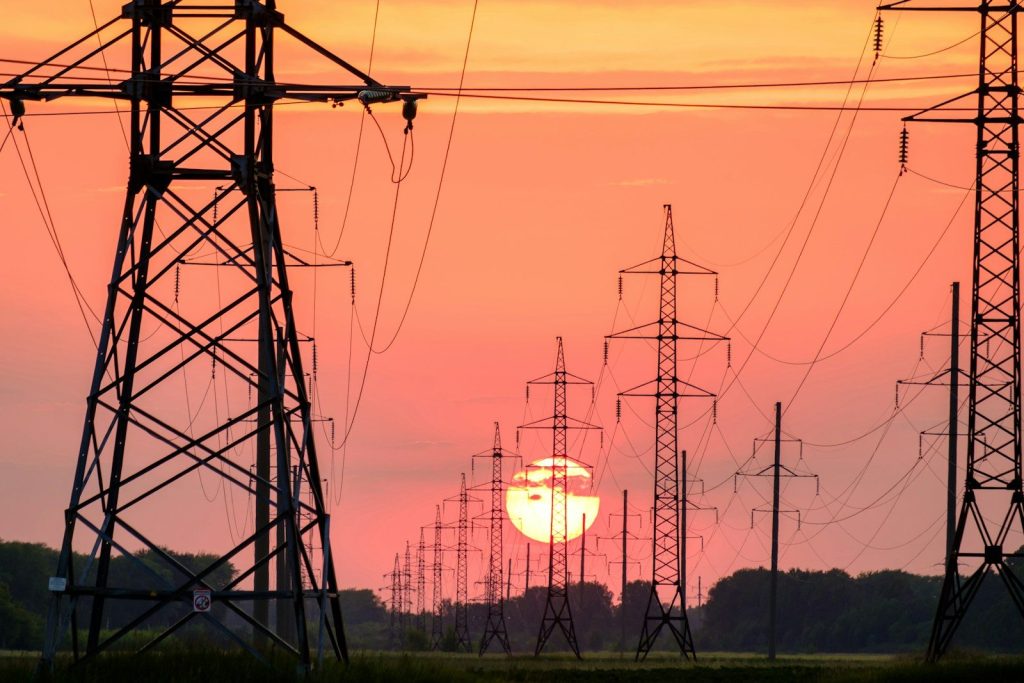
Unlike many environmental challenges, the solutions to wildlife electrocution are well understood.
Insulating power lines is one of the most effective ways to prevent animals from receiving fatal shocks. Protective devices can also be installed around transformers and other dangerous components to keep wildlife away from hazardous areas.
Another successful approach involves constructing canopy bridges. These specially designed crossings allow monkeys and other animals to move safely between trees without needing to touch electrical infrastructure.
In some locations, underground power lines may provide an additional long-term solution, although installation costs can be significant.
A Bigger Conservation Lesson

The crisis facing Costa Rica’s howler monkeys highlights a larger issue affecting wildlife worldwide: habitat fragmentation.
When forests are broken into smaller patches, animals are forced to navigate landscapes filled with human-made obstacles. Roads, buildings, fences, and power lines create risks that many species never evolved to handle.
The court’s ruling is about more than protecting a single species. It reflects a growing recognition that modern infrastructure and wildlife conservation must work together. For Costa Rica’s howler monkeys, safer power lines could mean the difference between survival and tragedy, while serving as a model for conservation efforts around the globe.