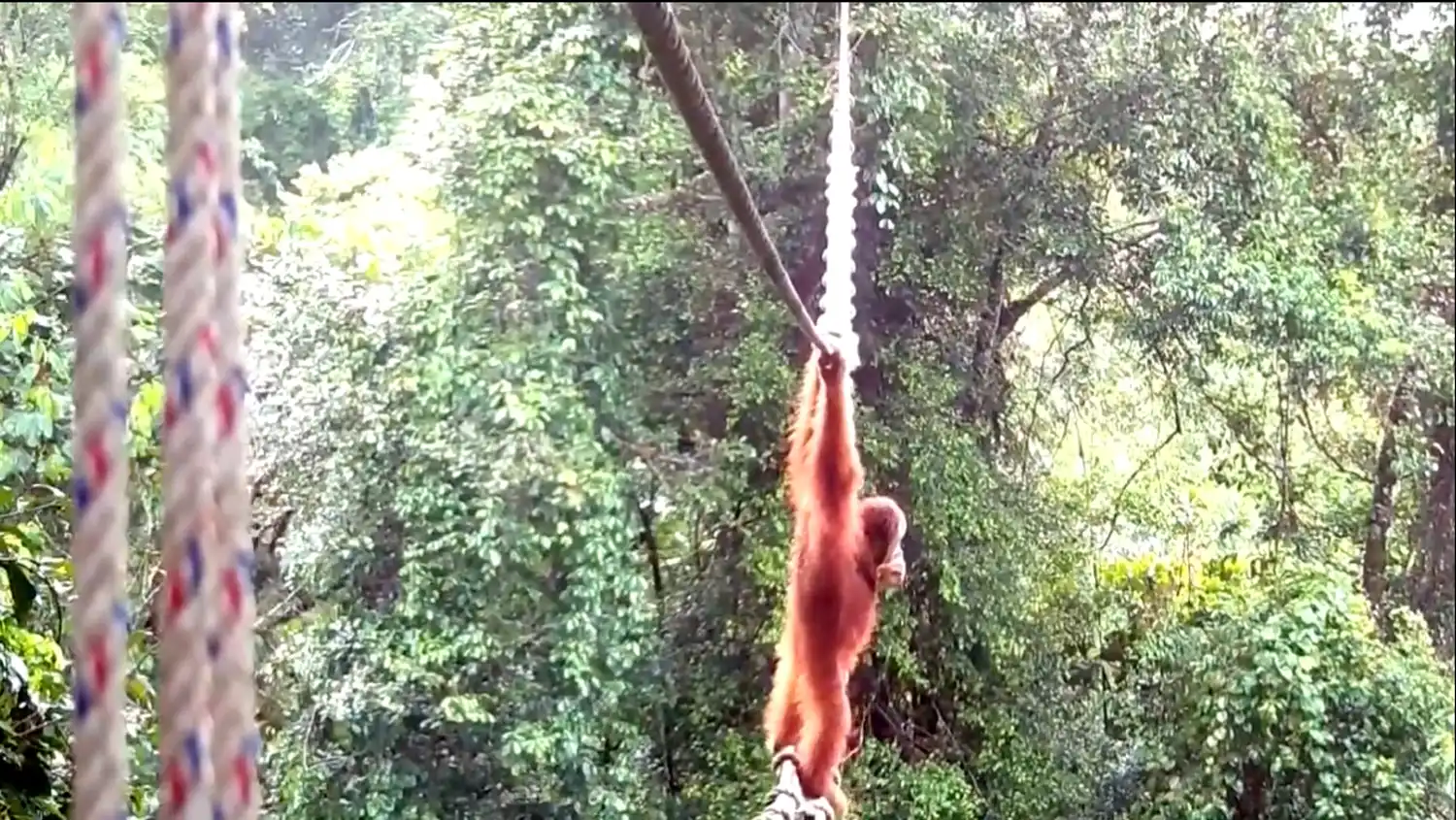
In the rainforests of Sumatra, a camera trap captured a rare and hopeful moment. A wild orangutan was seen crossing a canopy bridge suspended above a road.
For conservationists, the footage is more than a simple animal crossing. It shows that carefully designed wildlife bridges may help endangered species move safely through forests divided by human development.
A Rare Crossing Above the Forest Floor
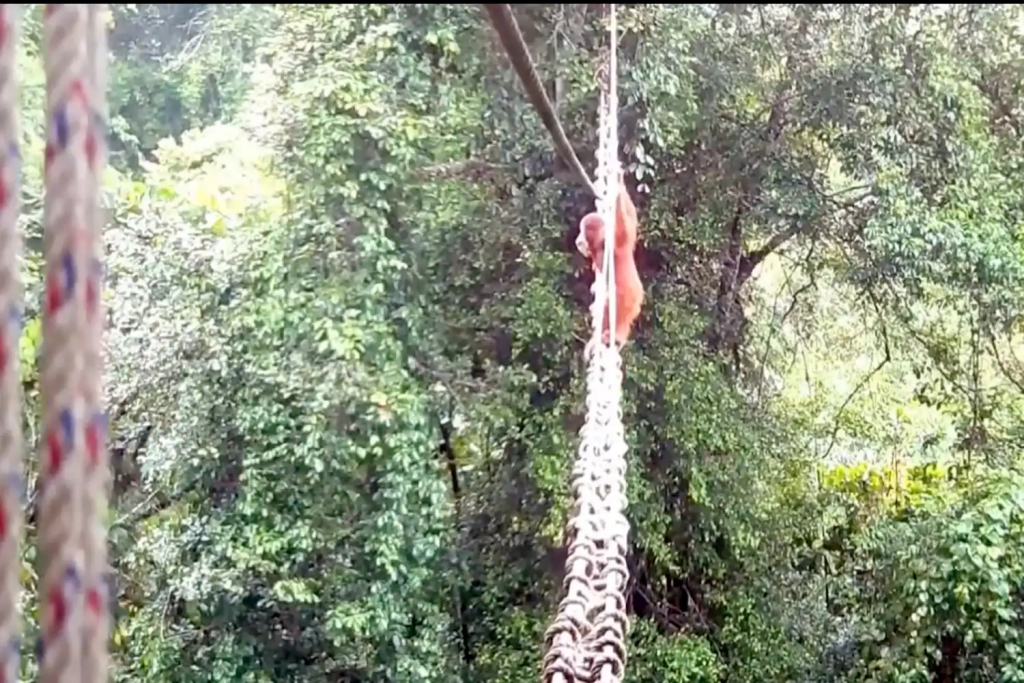
The orangutan was filmed moving across a bridge high above the ground. The structure connected two areas of forest that had been separated by a road.
To many viewers, the moment may look ordinary. But for researchers, it offers valuable evidence that orangutans can use man-made crossings when their natural routes are interrupted.
This is especially important because orangutans spend much of their lives in trees. A safe path through the canopy helps them avoid dangerous ground-level crossings.
The footage suggests that conservation tools can work when they match the natural behavior of the species they are designed to protect.
Roads Can Split Forests Apart
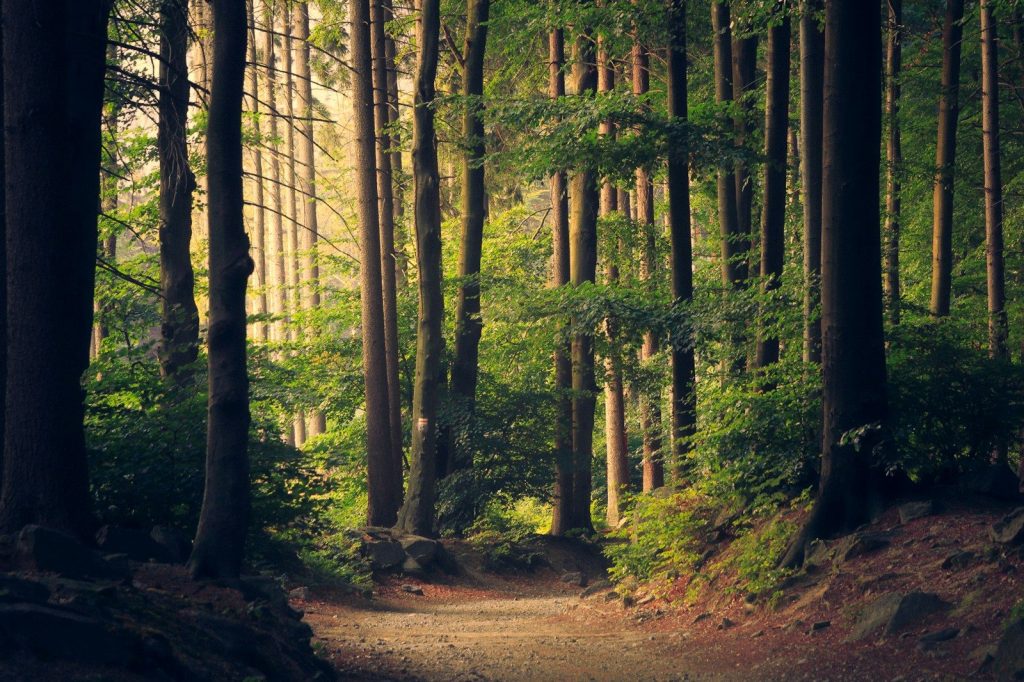
Roads may connect human communities, but they often divide wildlife habitats. When a road cuts through a forest, animals can lose access to feeding areas, mates, and safe travel routes.
For tree-dwelling animals, the problem can be even more serious. Crossing a road may force them to climb down from the canopy and move across open ground.
That exposes them to vehicles, people, predators, and other risks. For endangered species, even small increases in danger can matter.
As forests become more fragmented, safe movement corridors have become a major conservation need. Without them, animal populations can become isolated.
Why Canopy Bridges Are Important

Canopy bridges are built to help animals cross gaps without leaving the trees. They may be made from ropes, cables, platforms, or other suspended materials.
These bridges reconnect sections of forest separated by roads or cleared land. For animals that naturally travel through branches, they offer a safer and more familiar route.
Many tree-dwelling species have been seen using canopy bridges in different parts of the world. Monkeys, squirrels, possums, and other mammals can benefit from these crossings.
Seeing an orangutan use one is especially meaningful. Great apes can be cautious, so this crossing suggests the structure was useful enough to become part of its movement path.
Orangutans Need Connected Forests
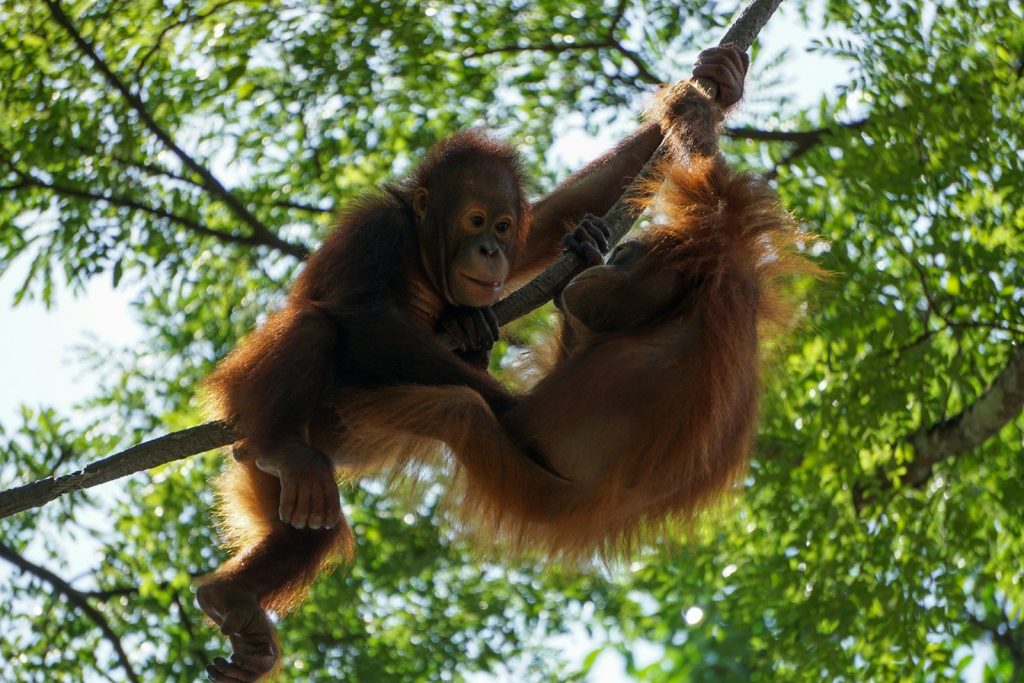
Orangutans rely on large areas of forest to survive. They move through the canopy to find fruit, nesting sites, and potential mates.
Because fruit availability changes with the seasons, orangutans often need to travel across wide areas. Fragmented forests can make that movement harder.
When groups become isolated, populations may lose genetic diversity over time. That can make them more vulnerable to disease, local decline, and long-term survival challenges.
Canopy bridges cannot replace healthy rainforest. But they can help reconnect habitat patches where development has already created barriers.
Conservation Must Work Around Human Development
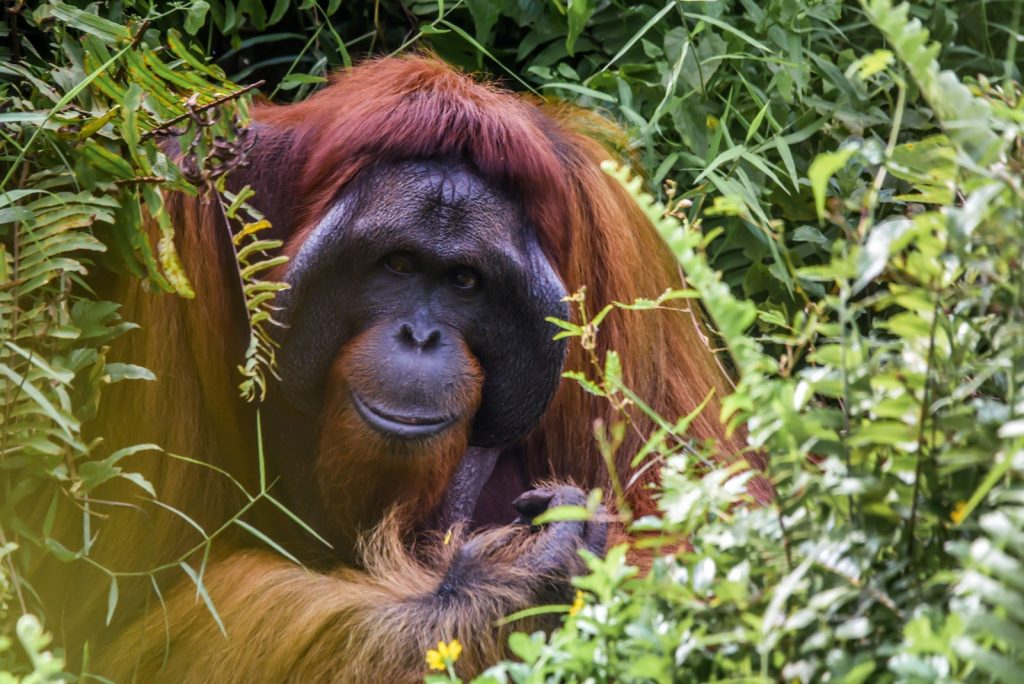
The footage also shows how conservation is changing. Protecting untouched wilderness remains important, but many animals now live in landscapes affected by roads, farms, settlements, and infrastructure.
Because of this, conservationists are looking for practical ways to help wildlife move through human-altered areas. Wildlife crossings and habitat corridors are part of that approach.
The goal is not only to protect isolated patches of forest. It is also to keep those patches connected so animals can continue using the landscape.
This kind of solution becomes especially important in tropical regions where development and biodiversity often overlap. Reconnecting broken habitats can give threatened species a better chance.
Orangutans Still Face Serious Threats
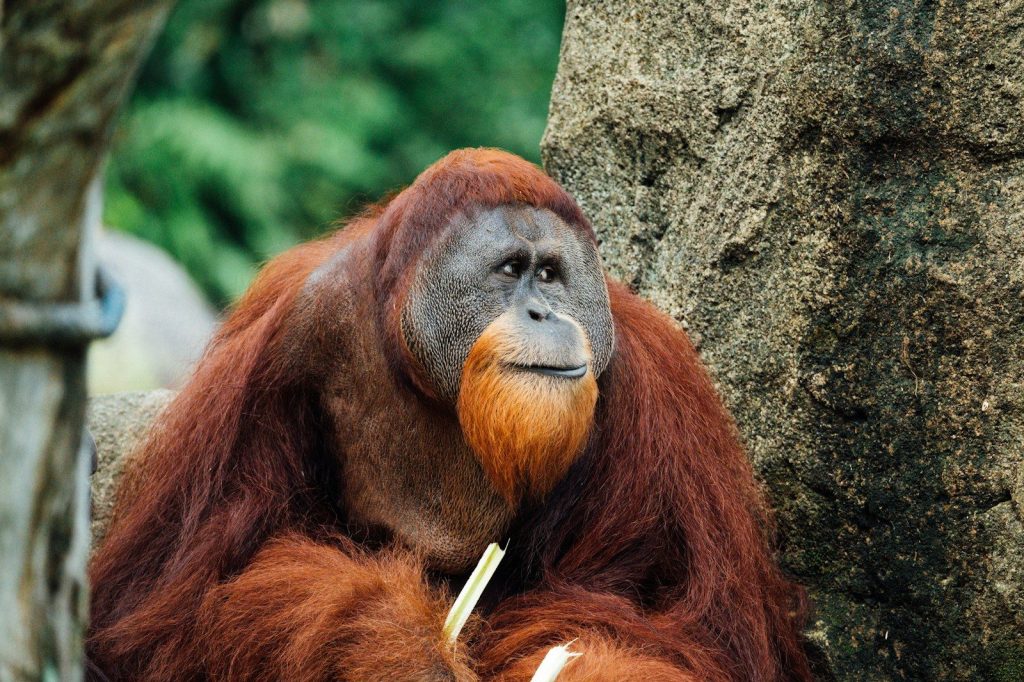
The successful crossing is encouraging, but it does not remove the larger dangers facing orangutans. Sumatran orangutans remain among the world’s most threatened great apes.
Habitat loss, deforestation, agriculture, roads, and illegal wildlife trade continue to put pressure on their populations. Long-term survival depends on protecting large, connected forests.
Canopy bridges can reduce some risks created by fragmentation. However, they work best when combined with stronger habitat protection and restoration efforts.
A single bridge cannot save a species on its own. But it can become one important tool in a wider conservation strategy.