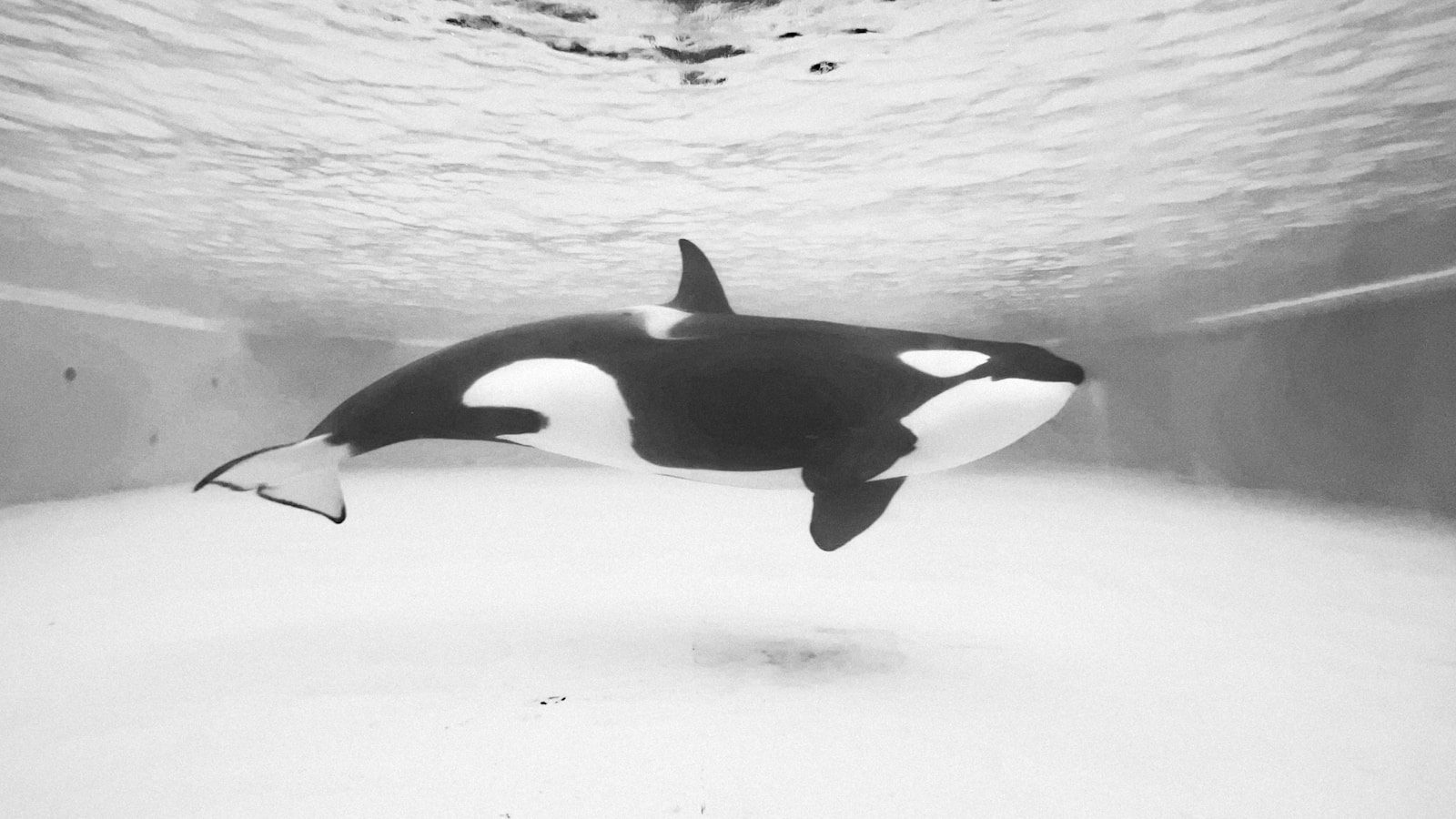
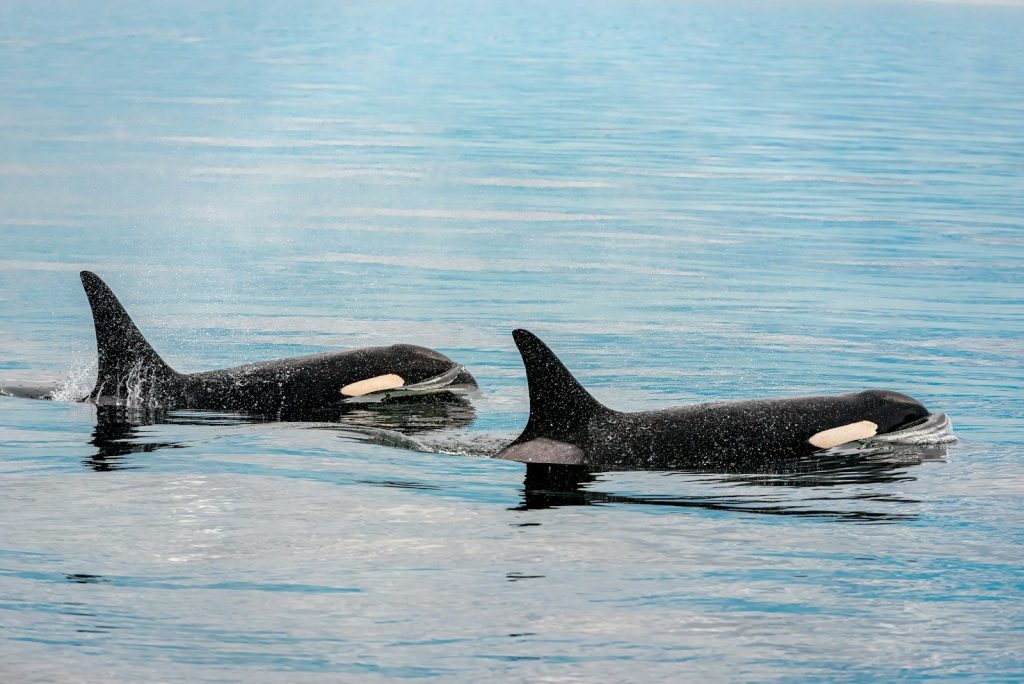
Orcas, often called killer whales, are among the most intelligent and formidable predators in the ocean. Found in every ocean on Earth, these marine mammals are known for their complex social structures, remarkable hunting skills, and strong family bonds.
While orcas travel vast distances in search of food, scientists have long been fascinated by one extraordinary phenomenon off the coast of Australia, where around 100 of these apex predators gather in the same area each year. Recent research may finally explain why.
The Ocean’s Most Skilled Hunters
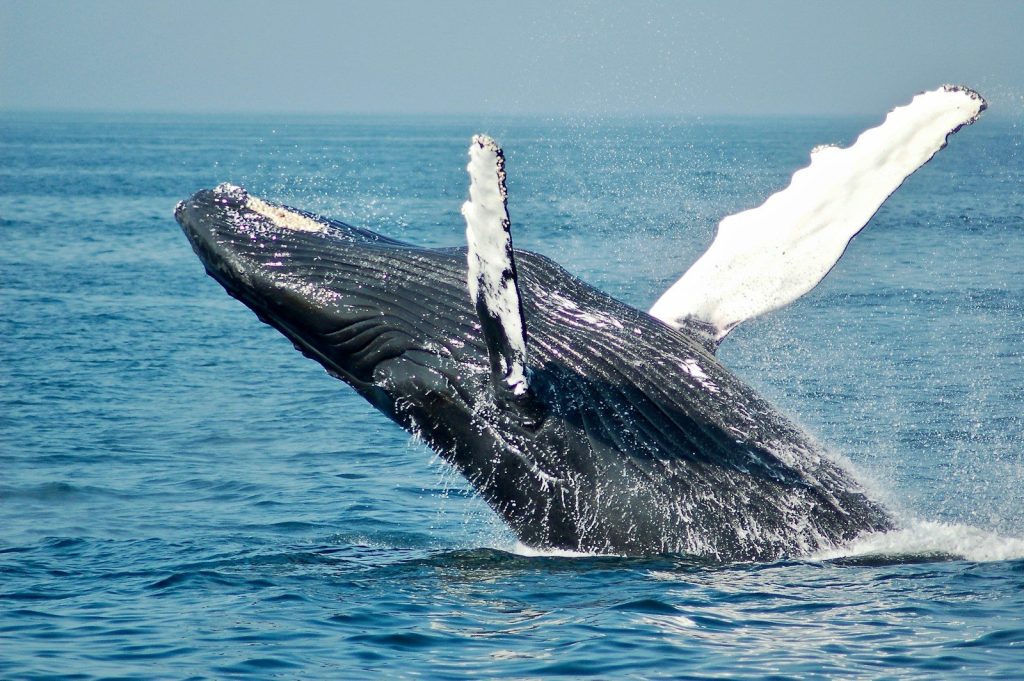
Orcas sit at the very top of the marine food chain. No natural predator challenges them, and their hunting techniques are among the most sophisticated in the animal kingdom.
These powerful mammals hunt cooperatively, using teamwork and communication to catch prey. Different populations have developed unique strategies, including creating waves to knock seals from ice floes, intentionally beaching themselves to catch animals on shore, and working together to target large whales.
Their intelligence allows them to pass hunting knowledge from one generation to the next, creating distinct cultures and feeding traditions within different family groups.
More Than Just Whales
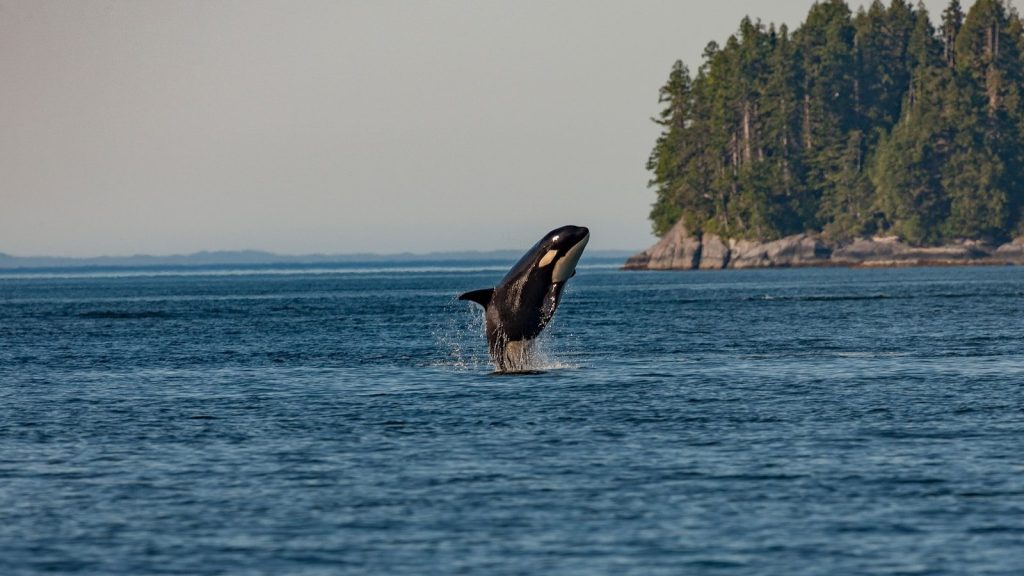
Despite their common name, killer whales are actually the largest members of the dolphin family. Adult males can reach lengths of up to 10 meters and weigh several tons.
Orcas communicate through a wide range of sounds, including whistles, clicks, and pulsed calls. Each pod develops its own vocal dialect, helping members recognize one another and coordinate activities.
Their large brains support advanced learning, memory, and social behavior, making them one of the most intelligent species in the ocean.
Why Orcas Gather in Certain Places
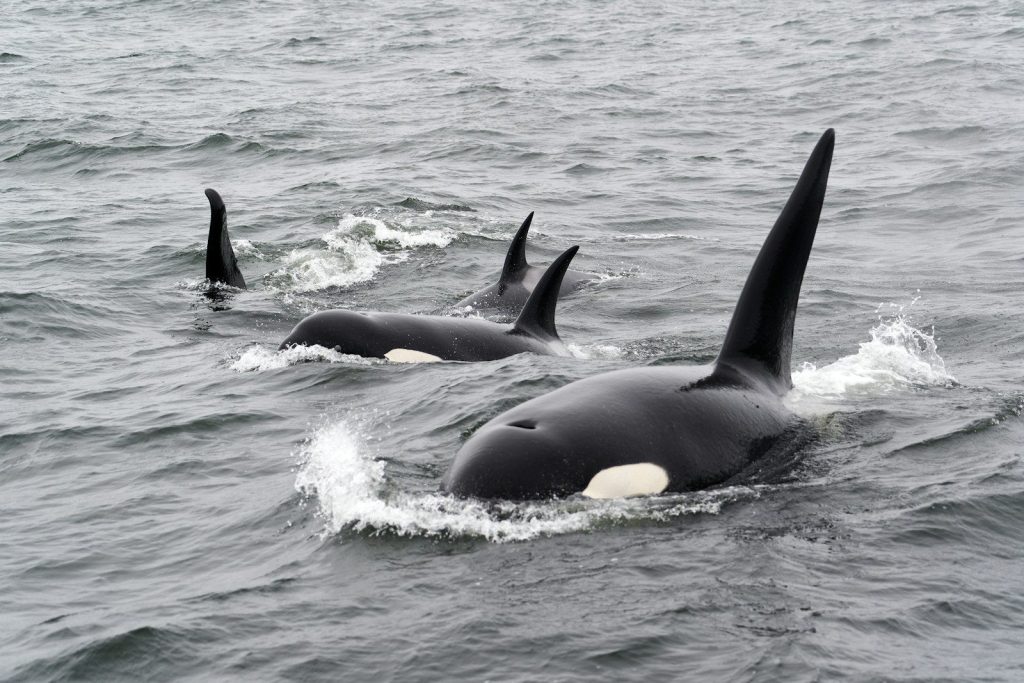
Although orcas are found worldwide, they often gather in specific locations where food is abundant. Many populations specialize in particular prey and rarely change their preferred diet.
For example, some orcas travel to Norway’s fjords every winter to feed on massive schools of herring. These seasonal feeding opportunities create temporary hotspots where dozens of whales can be seen hunting together.
Scientists have observed similar gatherings in other parts of the world, but one location in Australia stands out for its unusually large concentration of orcas.
The Mystery of Bremer Bay
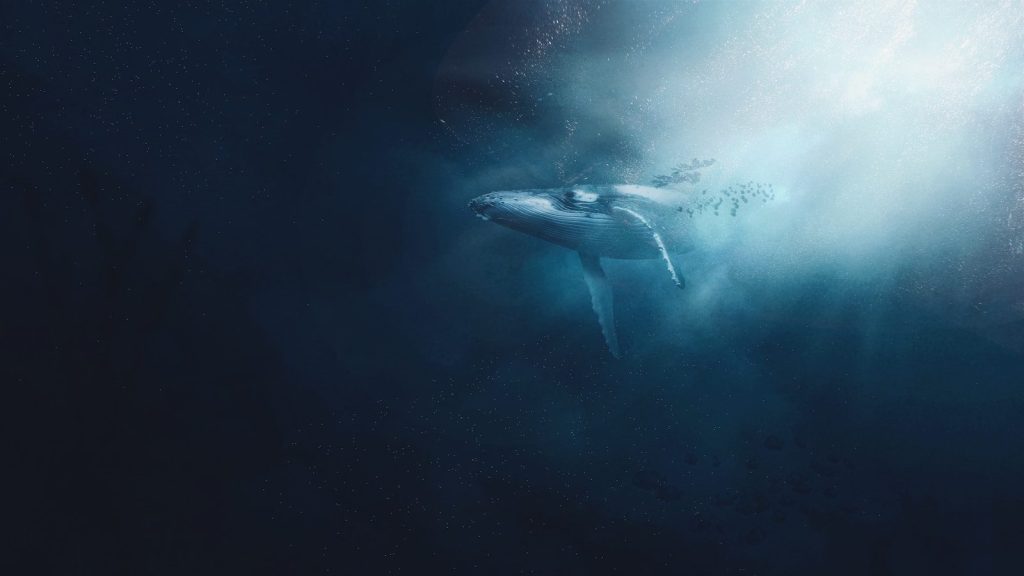
Off the southern coast of Western Australia lies Bremer Bay, a region that has become famous for its annual orca gatherings. From late spring through early autumn, roughly 100 orcas can be observed feeding in a relatively small area offshore.
For years, researchers wondered what attracted so many predators to this particular location. Unlike some feeding grounds where prey is easy to identify, the waters around Bremer Bay appeared to hold a deeper secret.
The answer, scientists discovered, lies beneath the surface.
A Hidden Feast in the Deep Ocean
Research conducted in the Hood Canyon, located offshore from Bremer Bay, revealed a unique underwater ecosystem. Deep currents bring nutrient-rich organic material into the canyon, creating a thriving food web.
This abundance supports a wide variety of deep-sea creatures, including squid, fish, crabs, and other marine animals. These prey species, in turn, attract large numbers of orcas looking for reliable food sources.
The canyon effectively acts as a biological hotspot, concentrating marine life in one area and providing an ideal hunting ground for top predators.
A Natural Spectacle Worth Protecting
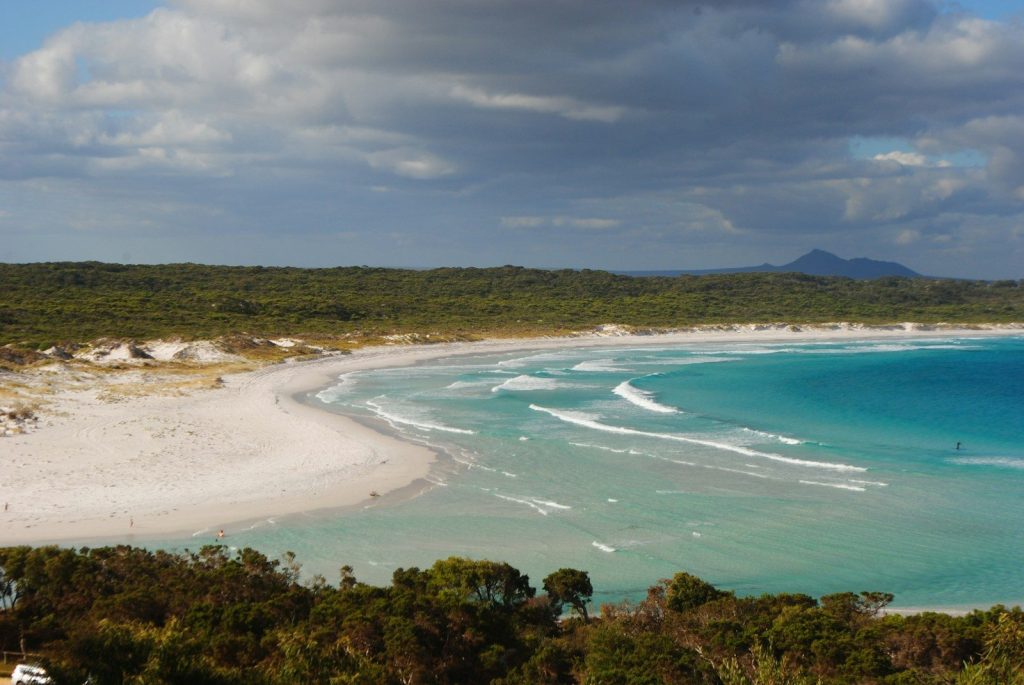
The annual gathering of orcas near Bremer Bay is one of the most remarkable wildlife events in the Southern Hemisphere. It highlights how hidden ocean ecosystems can support entire communities of marine life, from tiny plankton to apex predators.
As scientists continue to study these intelligent animals, discoveries like this reveal just how interconnected the ocean truly is. The gathering of 100 killer whales each year is not a coincidence, it is the result of a rich underwater world that sustains one of nature’s most extraordinary predators.