For decades, Angola’s remote Lisima Plateau remained one of Africa’s least explored regions, largely cut off from scientific study by civil war, landmines, and its isolated location. Now, a major biodiversity expedition has revealed just how extraordinary this hidden landscape really is. Researchers surveying the upper Cassai catchment have discovered dozens of species previously unknown to science, highlighting the region’s importance as a global conservation hotspot.
A Biodiversity Treasure Hidden in Plain Sight
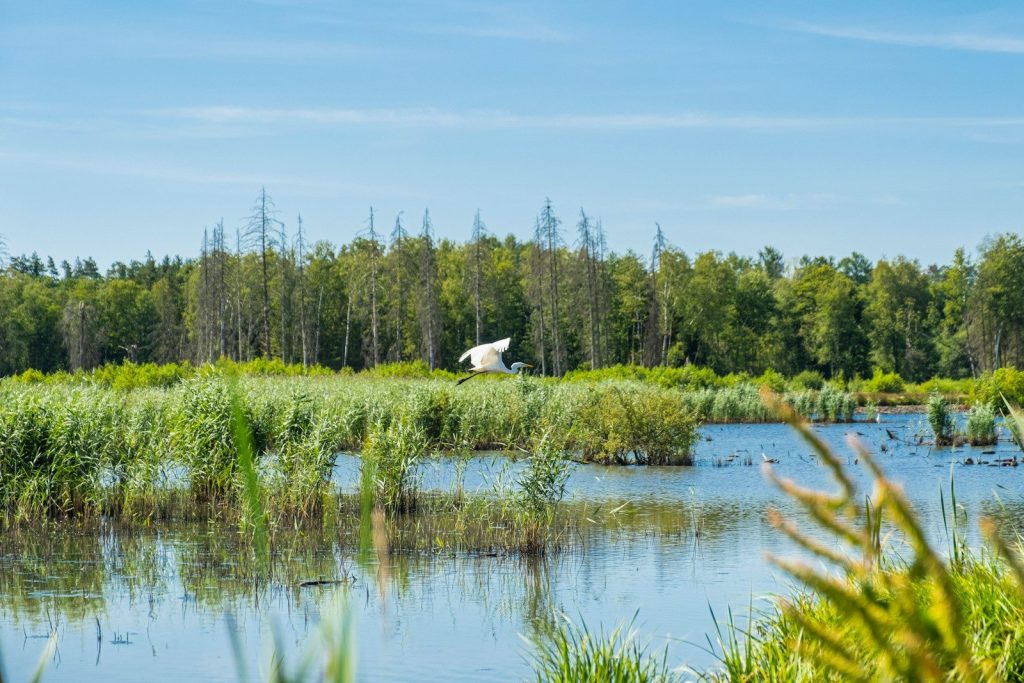
The Lisima Plateau lies within eastern Angola’s Angolan Highlands Water Tower, a vast network of woodlands, wetlands, grasslands, and lakes. Despite its ecological significance, the area remained largely uncharted by scientists for decades.
In February 2026, the Cassai Life Atlas expedition brought together 16 African and international experts to document the region’s wildlife. What they found exceeded expectations, revealing a remarkable concentration of rare and potentially new species.
Dozens of Species New to Science
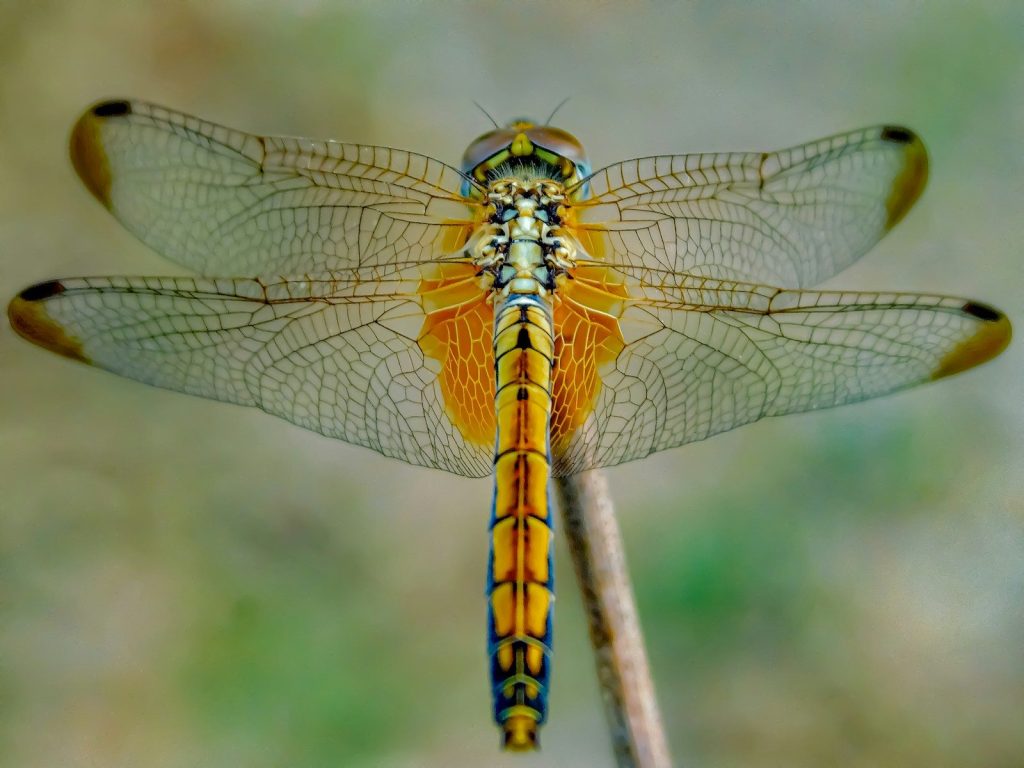
Among the expedition’s most exciting discoveries were eight previously undescribed dragonfly species, three new grasshopper species, and around 60 moth and butterfly species believed to be new to science.
Researchers recorded more than 1,000 butterflies and moths, while surveys of grasshoppers, katydids, and crickets uncovered dozens of unusual insects. Many specimens are still being analyzed, meaning the final number of new species could rise even further.
The findings demonstrate how little is still known about some of the world’s most remote ecosystems.
Strange and Spectacular Creatures Revealed
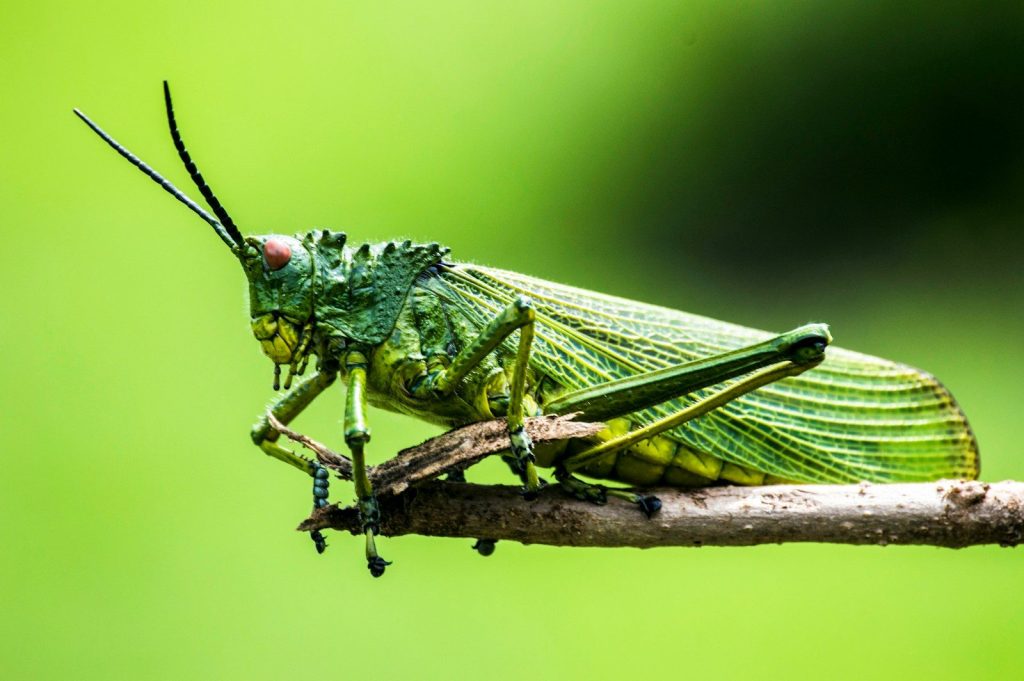
The expedition documented a fascinating range of unusual animals. One newly discovered armoured cricket species is a predatory insect capable of hunting other insects and even spraying its own blood-like fluid as a defense mechanism.
Scientists also found a potentially new crowned crab spider that glows under ultraviolet light, a feature known as biofluorescence. Another remarkable discovery was a ladybird orb-web spider that mimics toxic ladybird beetles to avoid predators.
Researchers encountered mantidflies with praying mantis-like forelegs, flightless bat flies that spend their lives living on bats, and highly camouflaged bushcrickets that blend perfectly into lichen-covered forests.
Rare Reptiles, Amphibians, and Bats
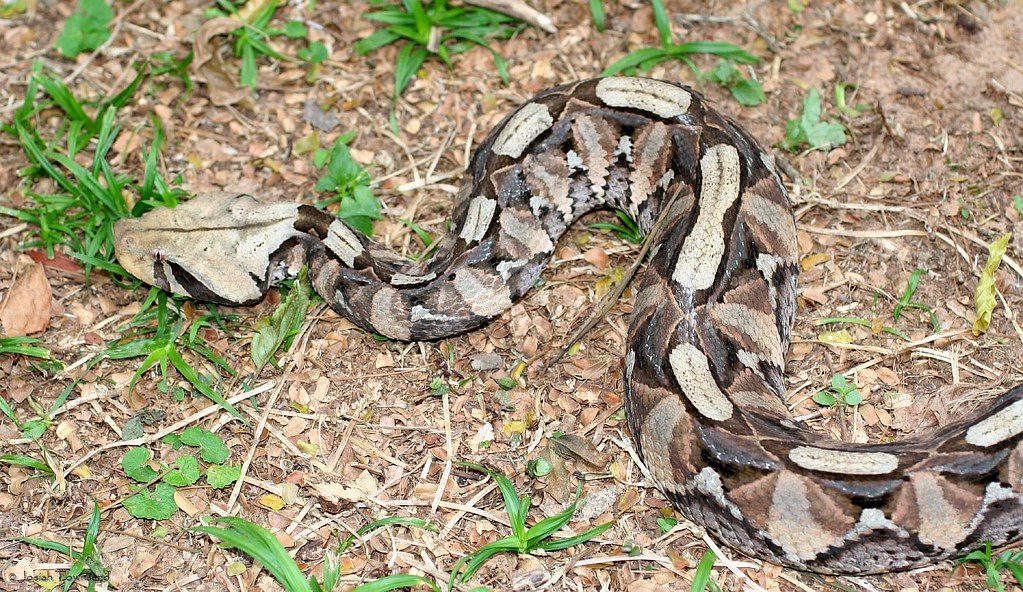
The expedition was not limited to insects. Surveys recorded 24 amphibian species and 23 reptile species, including some of Africa’s most impressive snakes.
Among them were the Gaboon adder, famous for possessing the longest fangs of any venomous snake, the variable bush viper, Anchieta’s cobra, and the rarely recorded large-eyed green tree snake.
Researchers also explored caves where they documented bat species such as Sundevall’s roundleaf bat and Rüppell’s horseshoe bat, adding important information about the region’s mammal diversity.
A Unique Meeting Point of Ecosystems
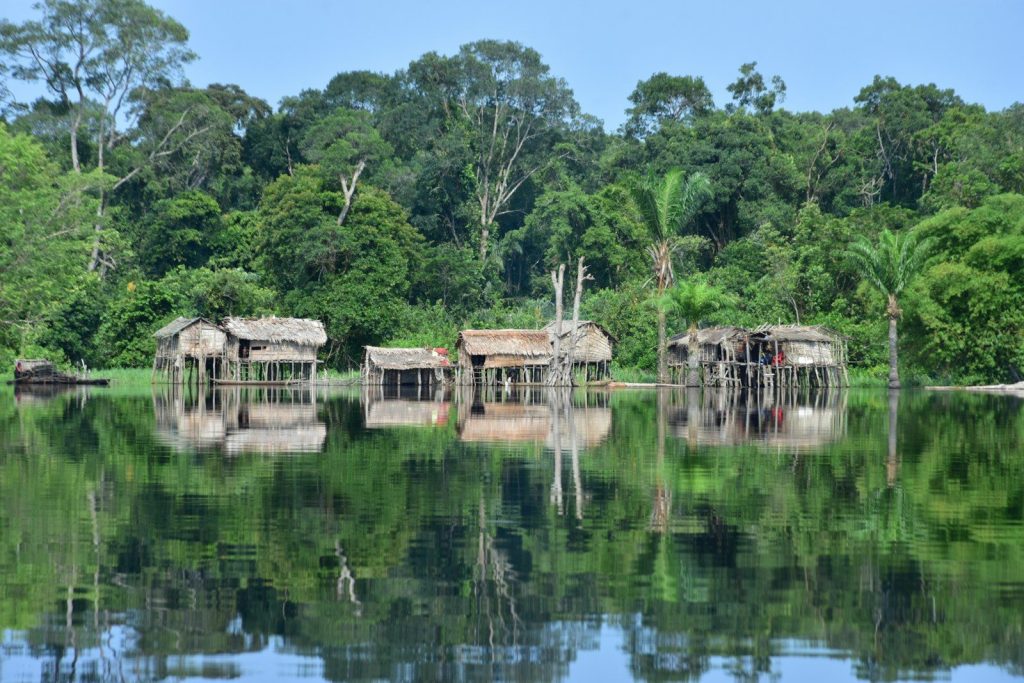
One of the biggest surprises for scientists was the discovery of strong influences from the Congo rainforest ecosystem. Rather than being dominated solely by miombo woodland, the area contains swamp forests, gallery forests, wetlands, and river systems that support an exceptional mix of species.
This ecological crossroads creates ideal conditions for biodiversity, allowing species from different habitats and regions to coexist. Researchers described the area as far more complex and diverse than previously believed.
Why Conservation Is Urgently Needed

Although the Lisima Plateau has remained relatively untouched due to its remoteness, that protection may not last. Expanding road networks and ongoing mine-clearing operations are opening previously inaccessible areas to human activity.
Mining, logging, agricultural expansion, and settlement growth are already beginning to impact forests, rivers, and wetlands. Scientists warn that habitat fragmentation and environmental degradation could threaten many of the species that have only just been discovered.
The expedition’s findings provide critical data for future conservation planning and may help support stronger protections for this globally important landscape.