Across the Americas, one spider has gained a reputation as one of the most dangerous arachnids on Earth. Often surrounded by fear and misunderstanding, this spider is known for its powerful venom and unpredictable behavior.
Despite its reputation, encounters with humans are relatively rare and usually accidental. Scientists emphasize that understanding its habits is key to reducing unnecessary fear and preventing dangerous situations.
A Wide but Specific Natural Range
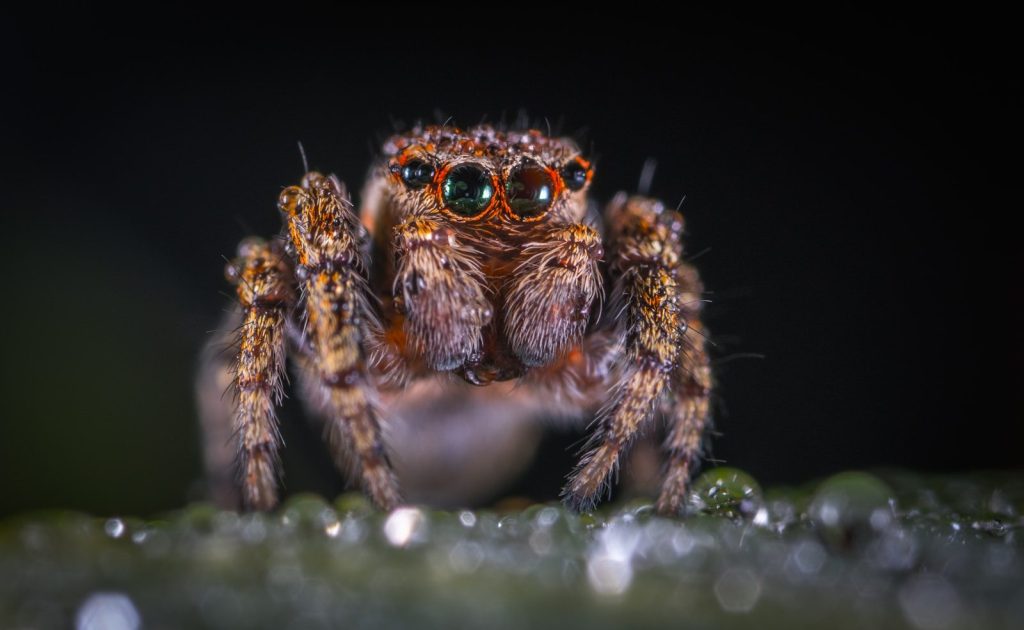
This spider is found primarily in Central and South America, where warm and humid climates support its survival. It often inhabits forests, plantations, and areas close to human settlements.
Its range overlaps with regions where people frequently work outdoors, increasing the chance of rare encounters. However, it typically prefers hidden and undisturbed environments.
A Venom Designed for Defense and Hunting
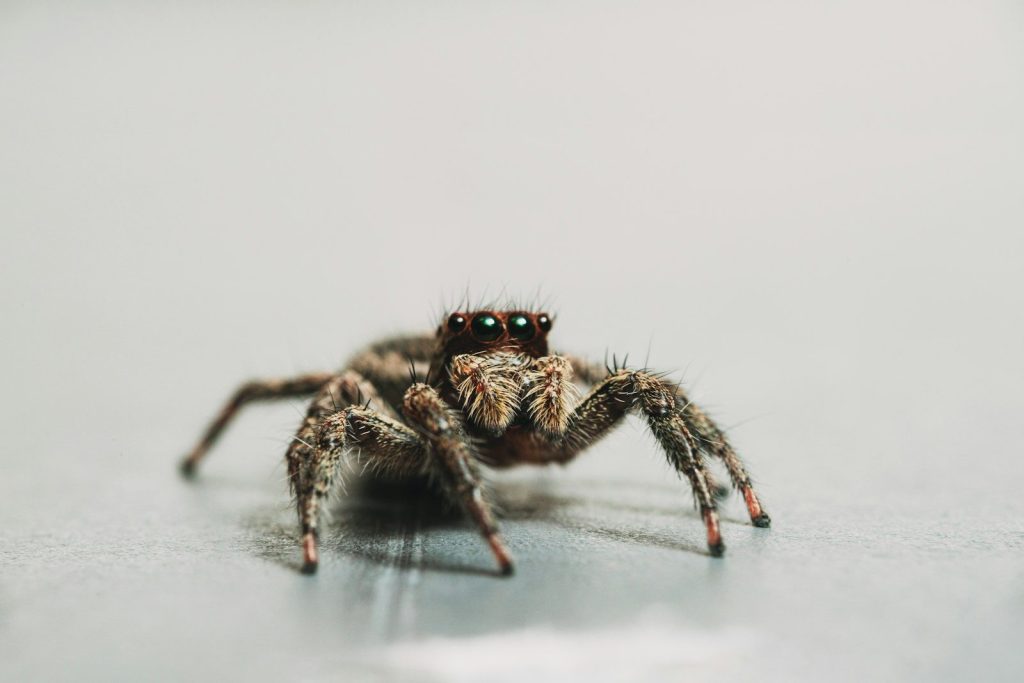
The spider’s venom is neurotoxic and affects the nervous system of its prey. It is used primarily to immobilize insects and small animals during hunting.
In rare human bites, the venom can cause strong reactions depending on the amount injected. Scientists study it closely due to its complex chemical properties.
Unpredictable Behavior in the Wild
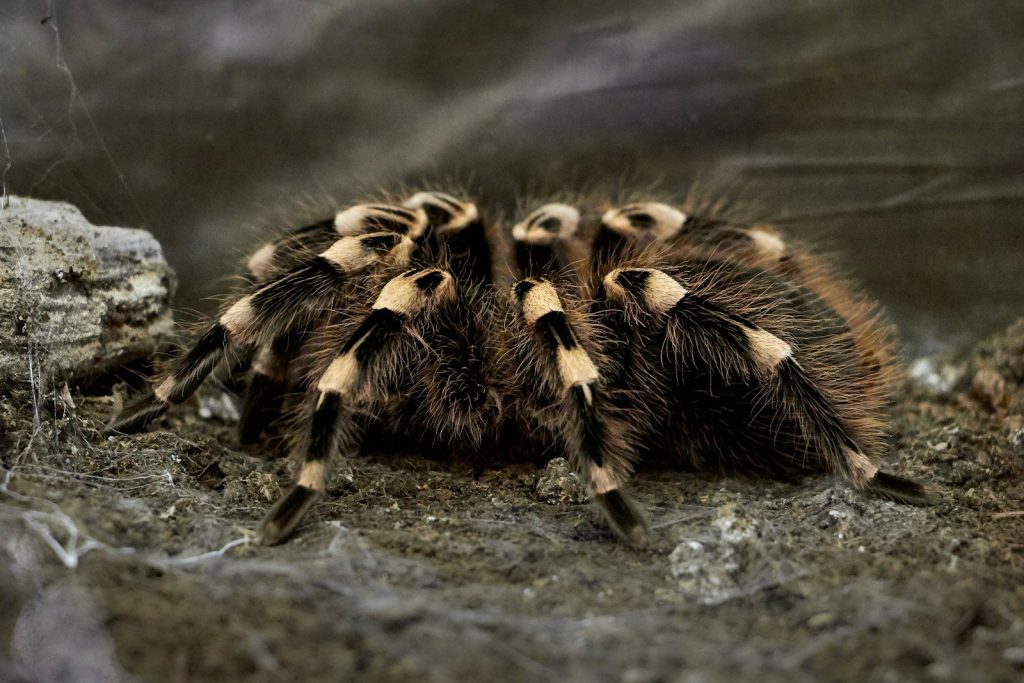
Unlike many spiders that remain still in webs, this species is highly active and often moves across the ground. It is known for wandering at night in search of food.
This behavior increases its chances of encountering humans unexpectedly. However, it does not actively seek out people as prey.
Human Encounters Are Usually Accidental
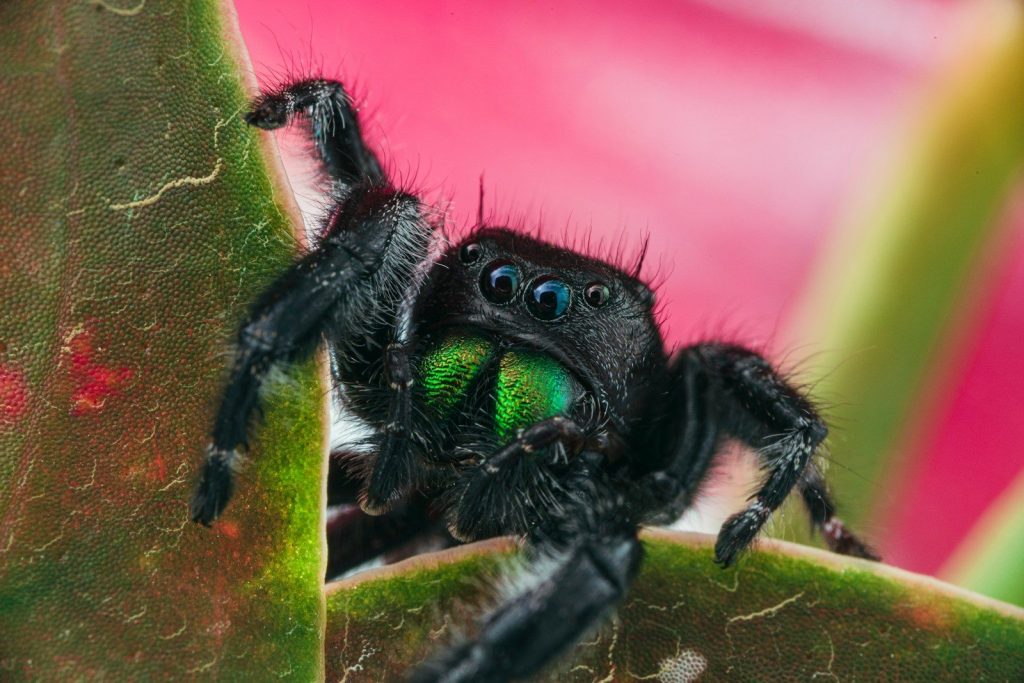
Most bites occur when the spider is disturbed or hidden inside clothing, shoes, or stored items. These situations often happen in rural or semi urban environments.
When threatened, the spider may adopt a defensive posture rather than retreating. Experts advise caution when handling materials left outdoors or undisturbed for long periods.
Symptoms and Medical Concerns After a Bite
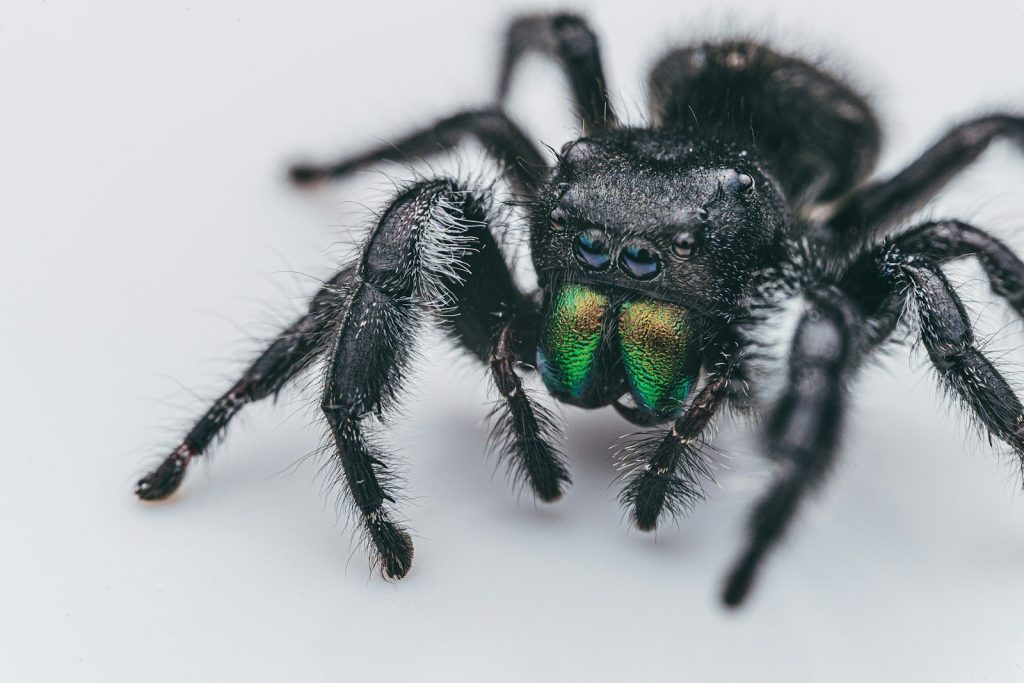
A bite can lead to localized pain, swelling, and in some cases stronger systemic effects. The severity often depends on the amount of venom delivered.
In rare cases, symptoms may include muscle cramps, sweating, and changes in heart rate. Medical attention is recommended for all suspected bites to ensure safety.
Treatment and Importance of Rapid Care
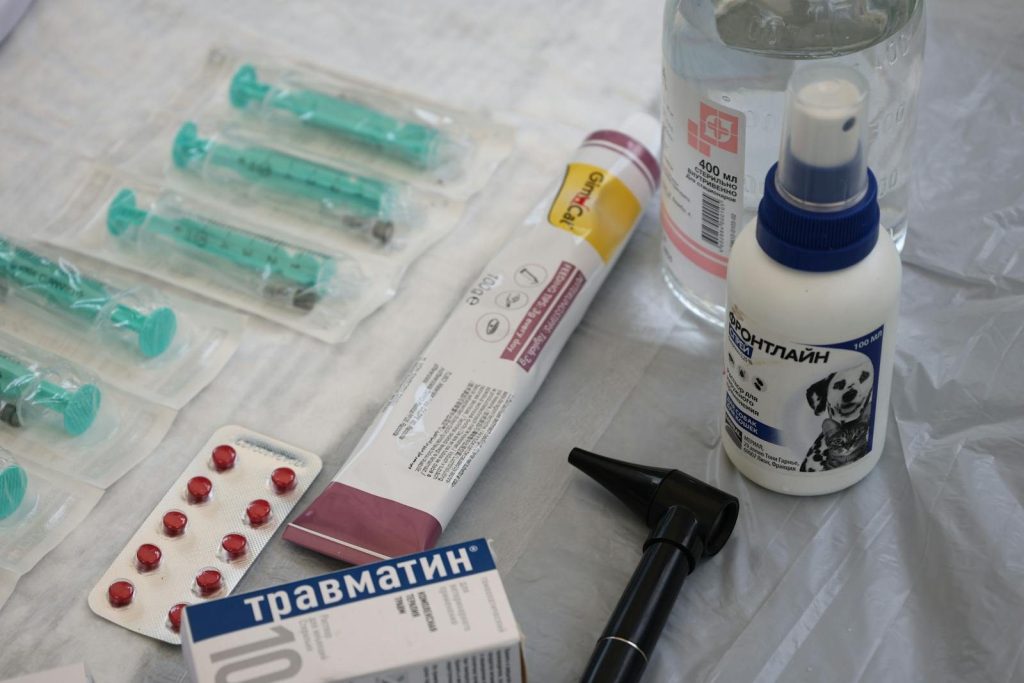
There is no home remedy that can replace proper medical treatment for a bite from this spider. Hospitals may use antivenom and supportive care depending on the severity.
Most patients recover fully with timely treatment and monitoring. Rapid response remains the most important factor in reducing complications.