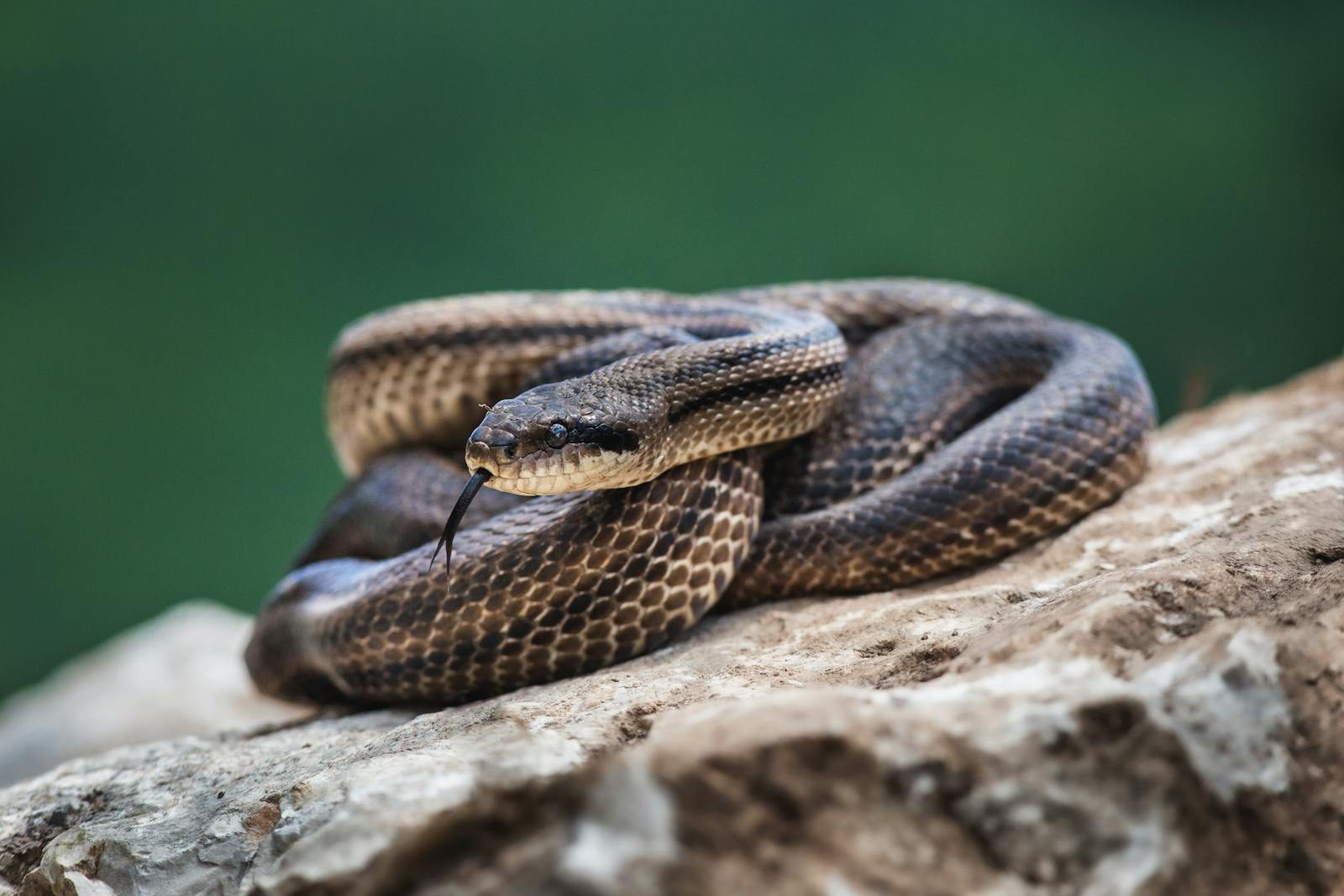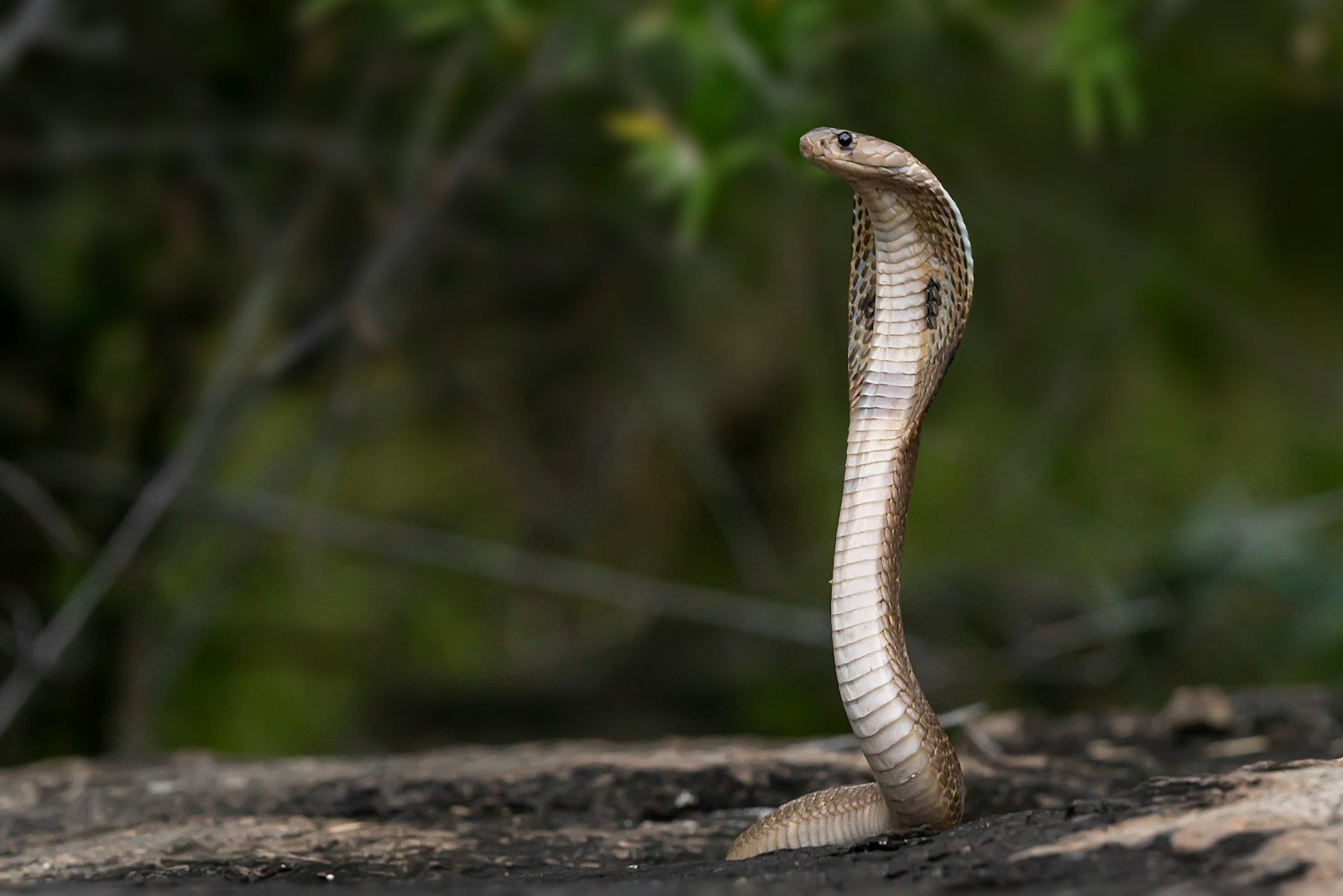
The king cobra is often viewed as one of the most intimidating snakes in the natural world, but its true danger goes far beyond appearance. Its venom is not just powerful in strength, but also complex in the way it affects the human body, making it one of nature’s most efficient defensive systems.
Understanding how this venom works reveals why even a single bite can become a medical emergency. Scientists continue to study its effects because it can disable vital body functions within a very short time.
King Cobra Venom Targets The Nervous System
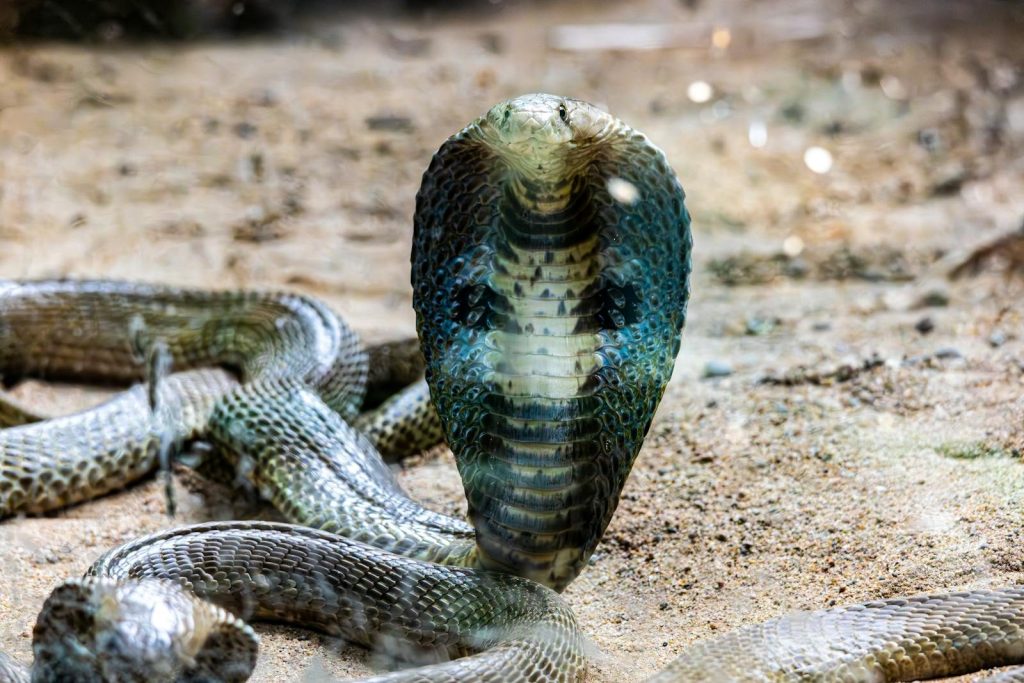
King cobra venom is primarily neurotoxic, meaning it attacks the nervous system rather than breaking down tissue. Once injected, it interferes with the communication between nerves and muscles, leading to rapid loss of control over movement.
This disruption can eventually affect the respiratory muscles, making it difficult or impossible to breathe without medical intervention. Because of this direct impact on essential body functions, the venom is considered extremely dangerous.
The Real Threat Is The Volume Of Venom
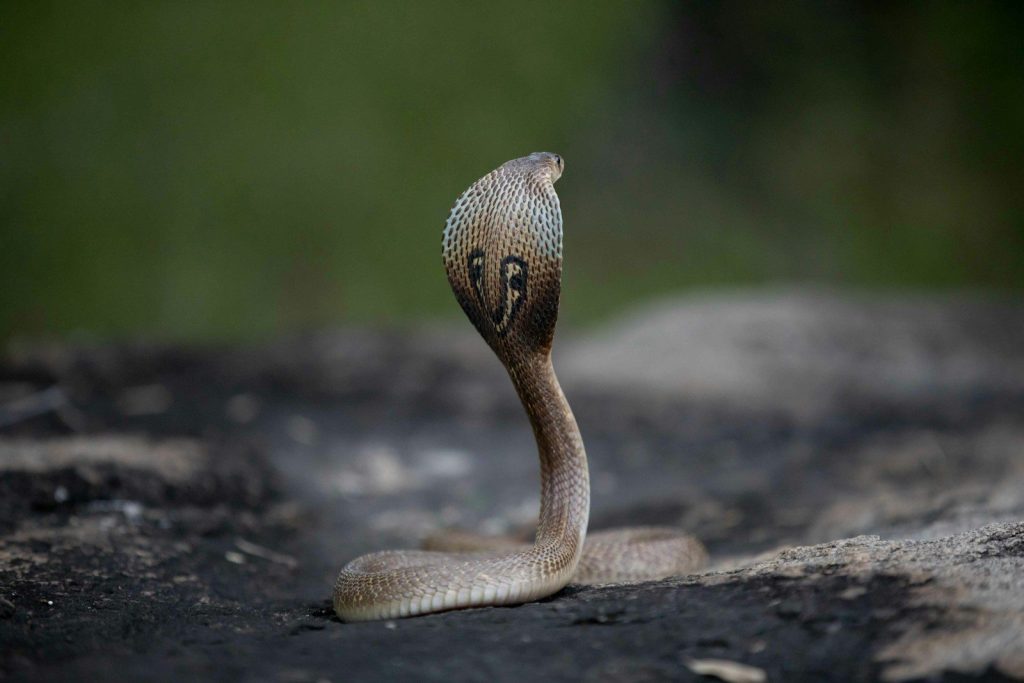
Unlike many snakes that inject smaller quantities, king cobras are capable of delivering a large volume of venom in a single bite. This increases the speed and severity of symptoms once envenomation occurs.
Even though the venom is not the most chemically potent among all snakes, the quantity delivered can overwhelm the body quickly. This combination of dose and effect is what makes the species especially feared.
Symptoms Can Progress Rapidly After A Bite
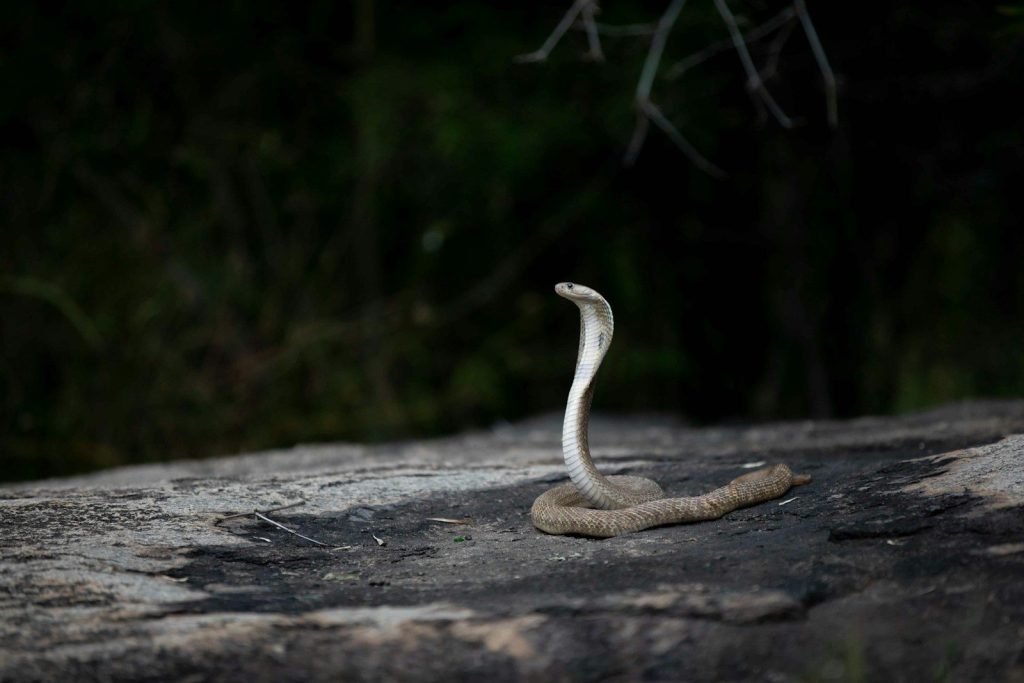
After a bite, early symptoms may include pain, dizziness, and swelling around the affected area. As the venom spreads, neurological effects such as blurred vision and muscle weakness may begin to appear.
In severe cases, paralysis can develop, especially in the muscles responsible for breathing. Without urgent treatment, these effects can become life threatening in a short period of time.
King Cobras Do Not Always Inject Venom
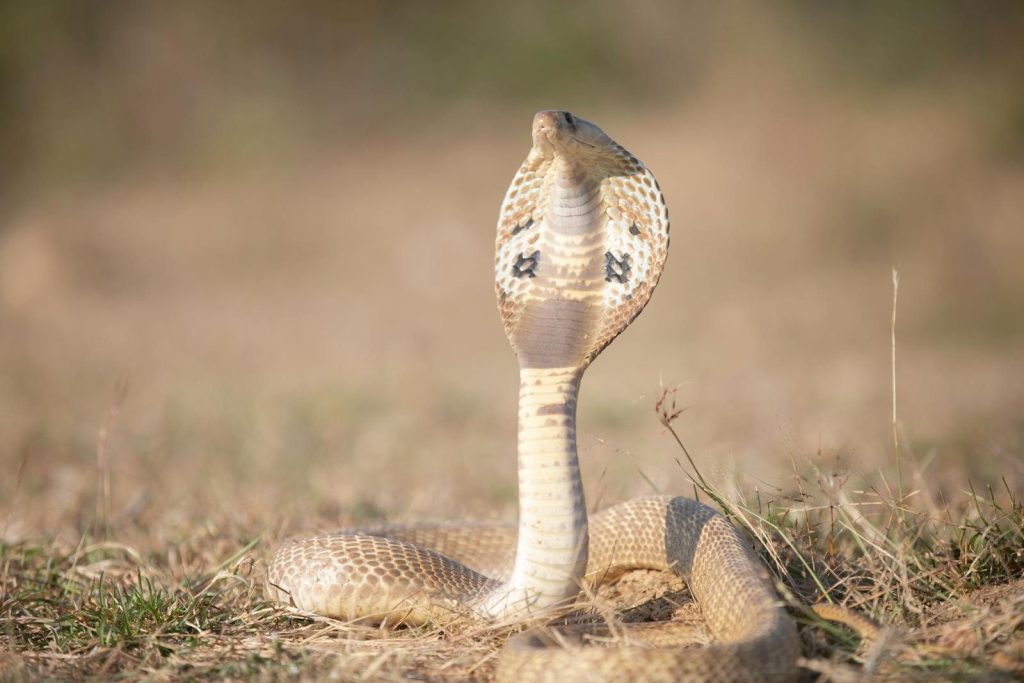
Not every king cobra bite results in envenomation, as the snake may deliver what is known as a dry bite. This happens when no venom is injected, often as a defensive warning rather than an attempt to kill.
However, it is impossible to determine whether venom has been injected without medical evaluation. For this reason, every bite must be treated as a serious emergency until proven otherwise.
Human Encounters Usually Happen By Accident
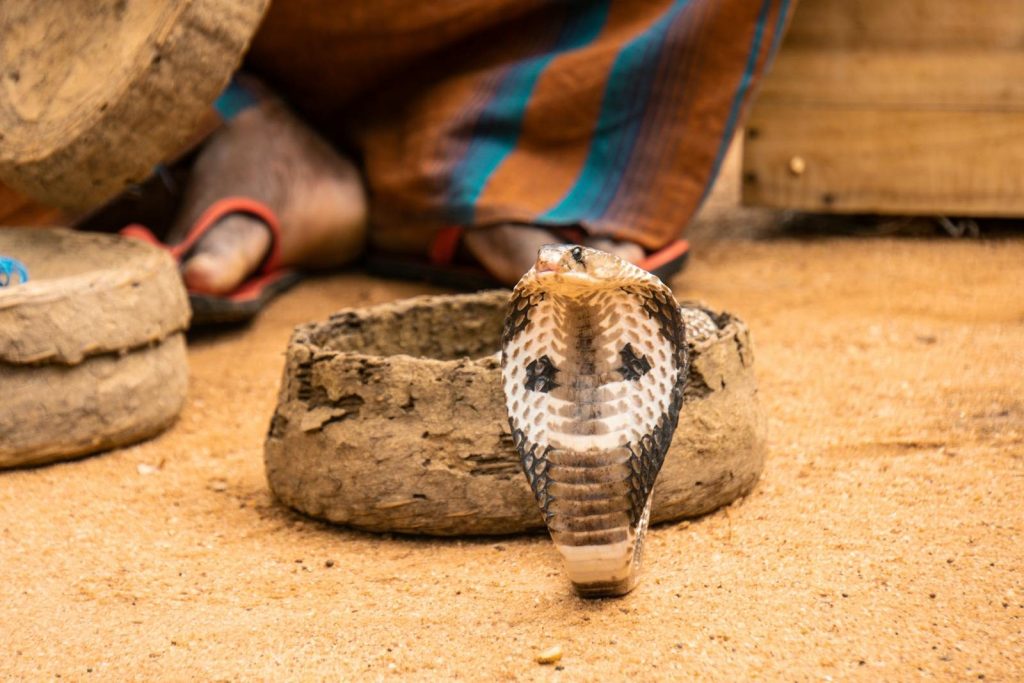
King cobras generally avoid humans and prefer to escape rather than attack. Most bites occur when the snake is surprised, cornered, or protecting its nesting area.
Habitat loss and human expansion have increased the chances of accidental encounters. This has made education about snake behavior increasingly important in regions where they are found.
Survival Depends On Immediate Medical Care
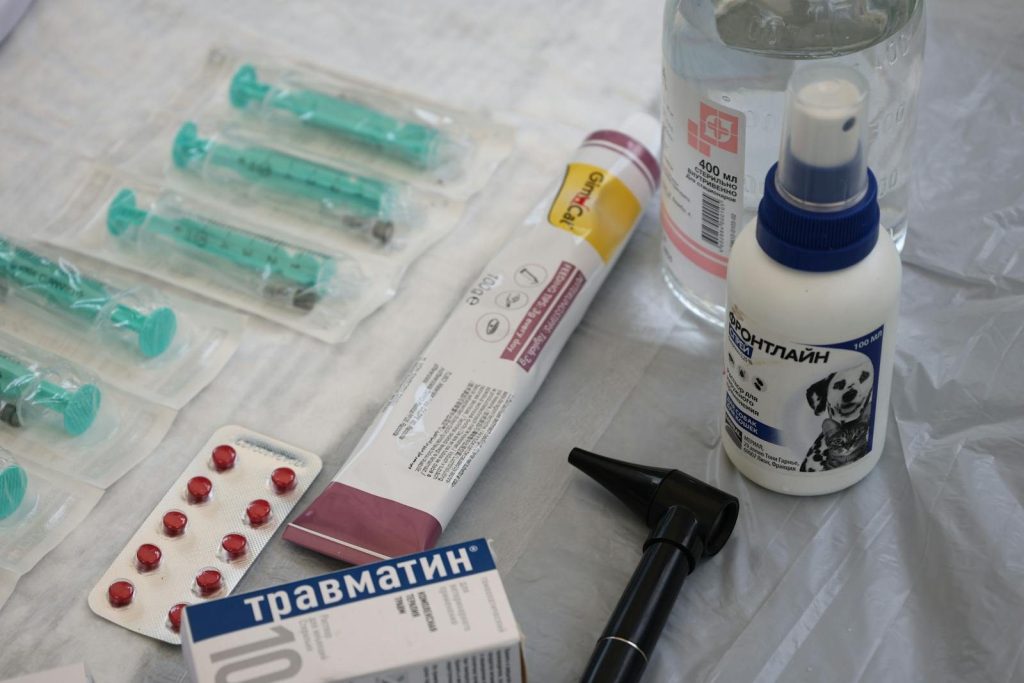
The only effective treatment for king cobra envenomation is fast medical intervention with antivenom and supportive care. Delays in treatment significantly increase the risk of severe complications or death.
With prompt care, survival is possible even in serious cases, but time is the most critical factor. Medical experts stress that no home remedy can replace professional treatment in such situations.