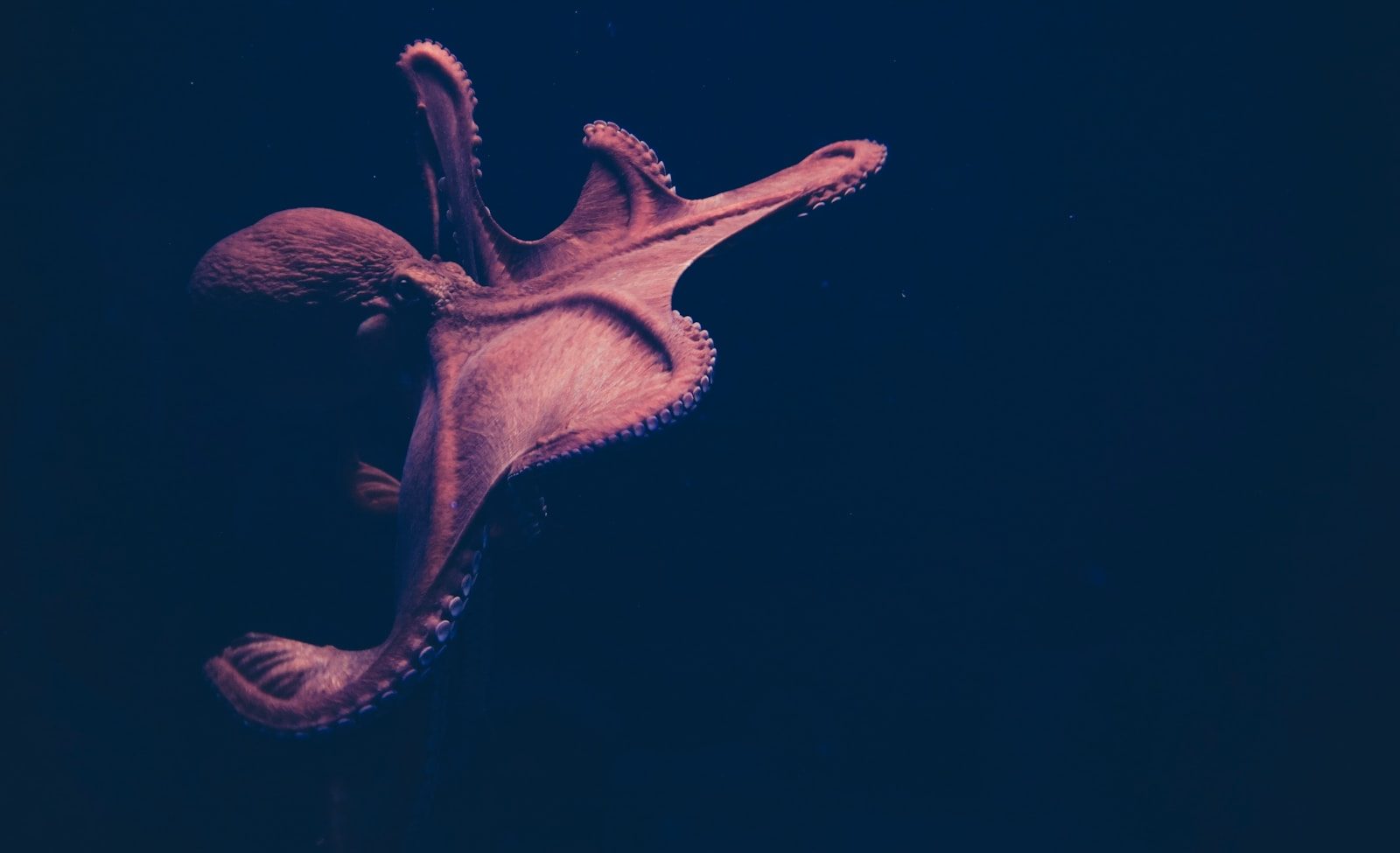
With blood-red skin, webbed arms, glowing eyes, and strange spines, the vampire squid looks like something straight out of a science-fiction nightmare.
Its name sounds even more frightening: Vampyroteuthis infernalis, which roughly translates to “vampire squid from hell.”
But despite its terrifying appearance and dramatic name, the vampire squid is not a blood-sucking monster. In fact, this mysterious deep-sea creature is surprisingly harmless.
A Creature From an Ancient World
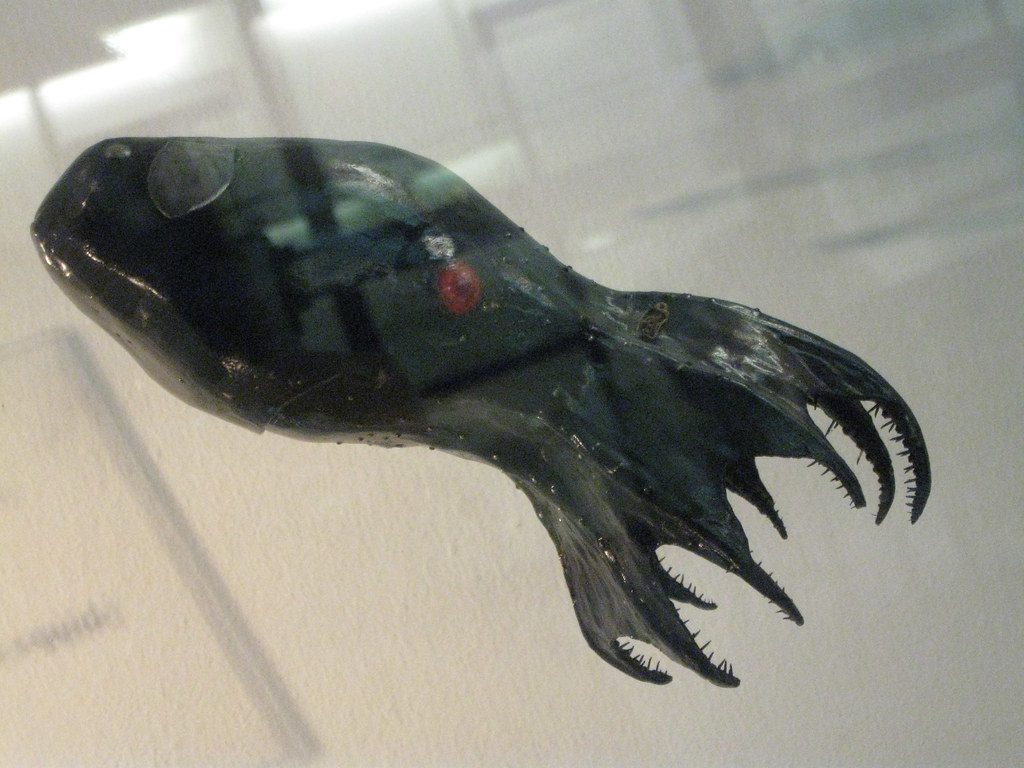
The vampire squid is believed to have existed for around 300 million years, meaning its ancestors lived long before the dinosaurs.
Although it is classified as a cephalopod alongside squids, octopuses, cuttlefish, and nautiluses, the vampire squid is so unusual that it belongs to its own separate order.
Its appearance makes it instantly recognizable. The animal has reddish-brown skin, enormous blue eyes adapted to darkness, and webbing that connects its arms, creating the appearance of a floating cloak.
Why Is It Called a Vampire Squid?
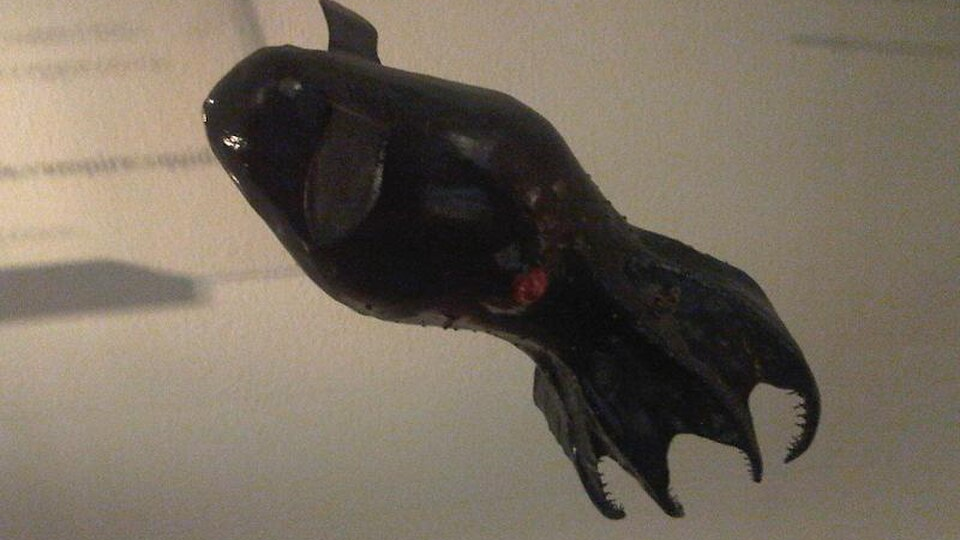
The name comes mainly from its dark appearance and the webbing between its arms, which can resemble a cape.
However, the vampire squid does not drink blood. It does not hunt humans, attack large animals, or behave like the legendary vampires of folklore.
Instead, it spends its life drifting through the deep ocean, where sunlight cannot reach.
Life in the Dark
Vampire squids are typically found hundreds of meters below the surface in deep waters where oxygen levels are extremely low.
This environment is difficult for many animals to survive in, but the vampire squid has evolved perfectly for life in the darkness.
Rather than chasing fast-moving prey, it feeds on what scientists call marine snow. This is made up of tiny particles of organic material that slowly fall from the upper layers of the ocean.
The material can include decaying plankton, waste, and other particles.
Using long, thread-like filaments, the vampire squid collects this material and combines it with mucus to create food particles.
This unusual feeding strategy allows it to survive in an environment where food can be scarce.
Is the Vampire Squid Dangerous?
Despite its scary appearance, the vampire squid is completely harmless to humans.
It is not known for attacking people, and it does not have the aggressive hunting behavior associated with larger predators.
In fact, the vampire squid is more likely to be hunted by other deep-sea creatures than to hunt large animals itself.
Its Most Unusual Defense
When threatened, the vampire squid has a bizarre defensive strategy known as the “pineapple posture.”
It can turn its webbed arms around its body, creating a protective shape that hides its vulnerable areas and makes its spines appear more intimidating.
The spines may look dangerous, but they are not designed to harm predators. Instead, they help make the vampire squid appear more threatening.
The animal can also release a cloud of glowing bioluminescent mucus into the water. This bright substance can confuse predators and give the vampire squid an opportunity to disappear into the darkness.
Featured Image: Photo by Isabel Galvez on Unsplash