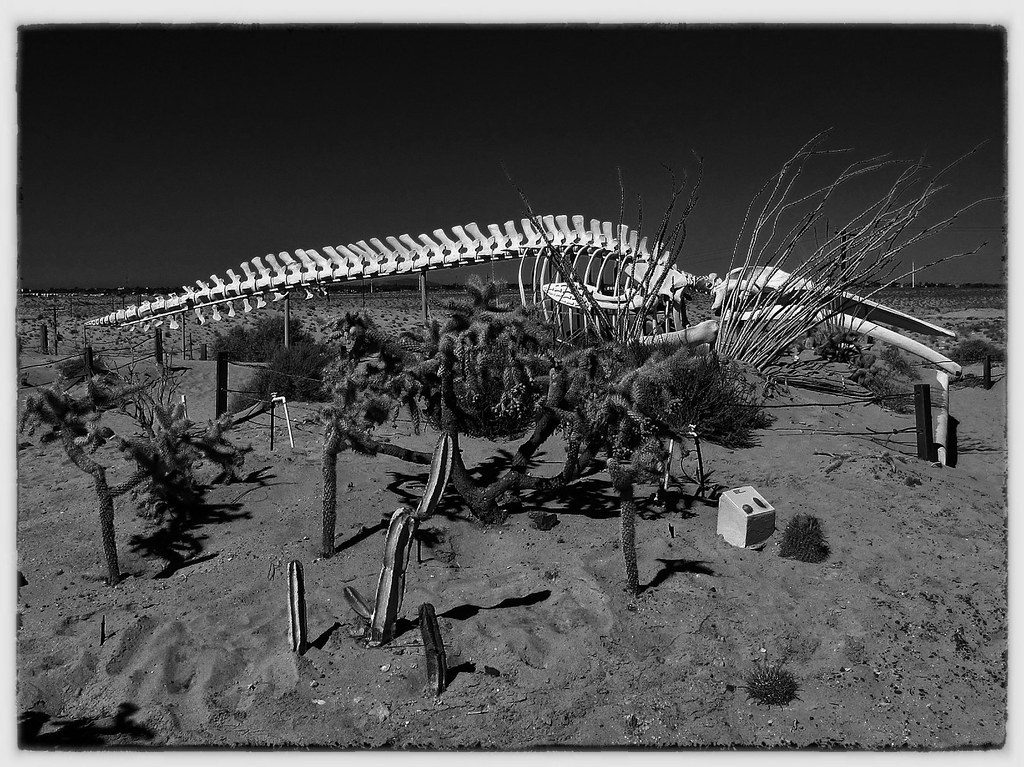
Scientists have uncovered what is believed to be the world’s deepest, oldest, and largest underwater whale graveyard, revealing a thriving ecosystem that has survived on the remains of whales for millions of years.
Located nearly seven kilometers beneath the surface of the Indian Ocean, the extraordinary discovery is offering researchers a rare glimpse into one of Earth’s most mysterious deep-sea habitats.
Ancient Whale Graveyard Found Nearly 7 Kilometers Underwater
The remarkable site was discovered during deep-sea submersible expeditions conducted in 2023.
Researchers identified five whale fall sites along with numerous fossilized whale remains, including skulls from beaked and baleen whales dating back as far as 5.3 million years.
Whale Bones Support a Thriving Underwater Ecosystem
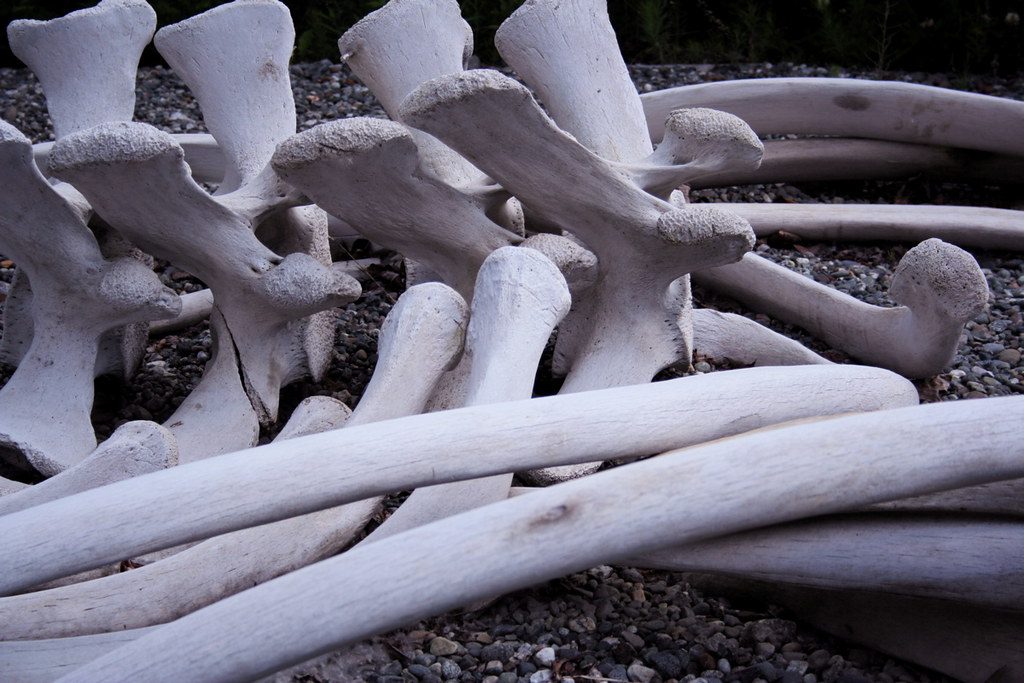
The whale remains have become home to an astonishing variety of marine life.
Scientists documented jellyfish, tubeworms, brittle stars, sea cucumbers, squat lobsters, clams, and several organisms that may represent species previously unknown to science.
Why the Ancient Bones Are So Well Preserved
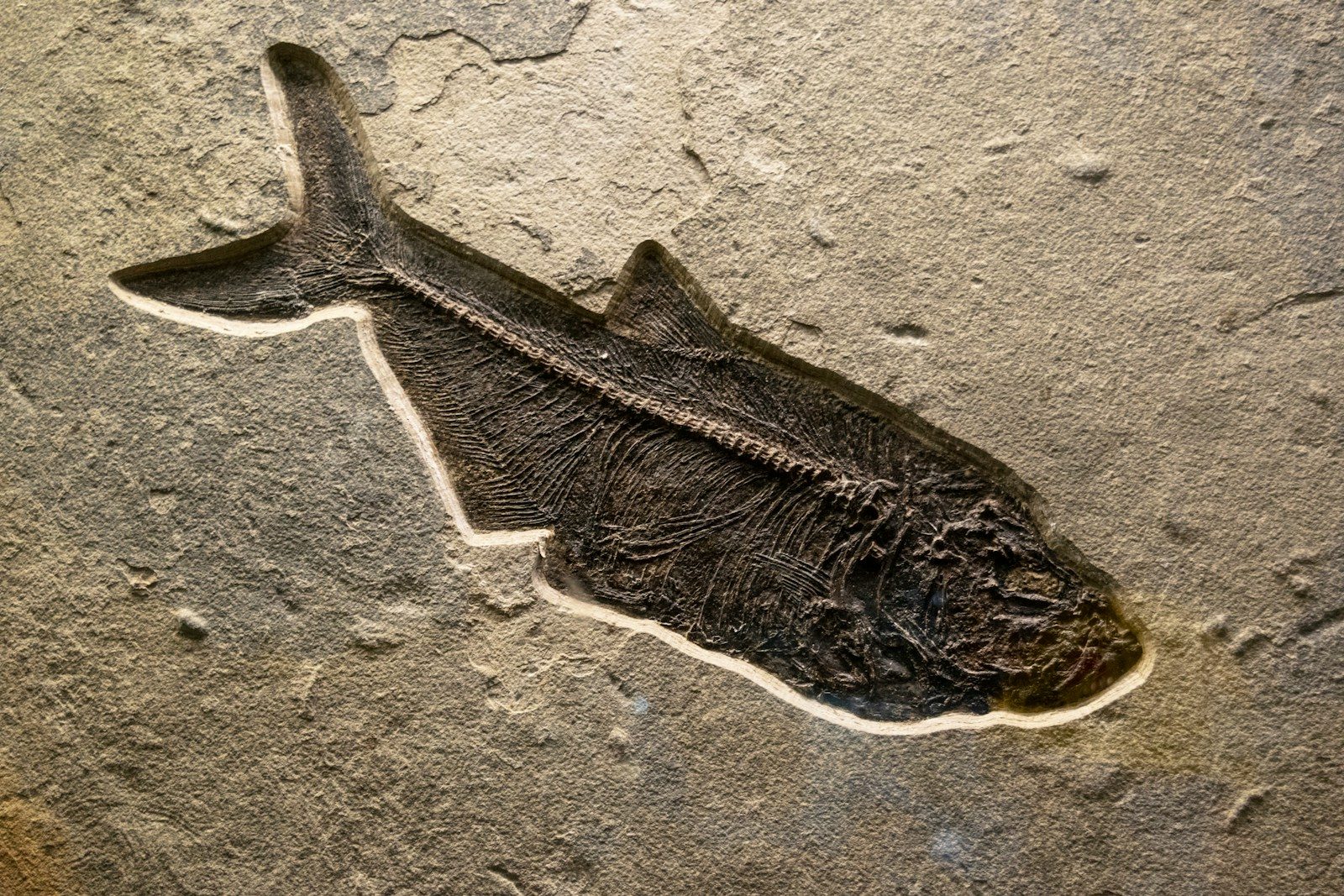
Researchers believe several unique conditions helped preserve the whale remains for millions of years.
Their dense bones resisted destruction by bone-eating organisms, while the extreme ocean depth protected them from sediment burial. Mineral deposits from seawater may have also slowed decomposition.
Scientists Are Still Solving the Mystery

Although the graveyard’s existence has been confirmed, researchers are still trying to understand why so many whales accumulated in the same location.
Possible explanations include whales naturally inhabiting the area, deaths linked to deep-diving behavior, or underwater geography gradually funneling carcasses into one resting place over millions of years.
Discovery Could Transform Deep-Sea Research
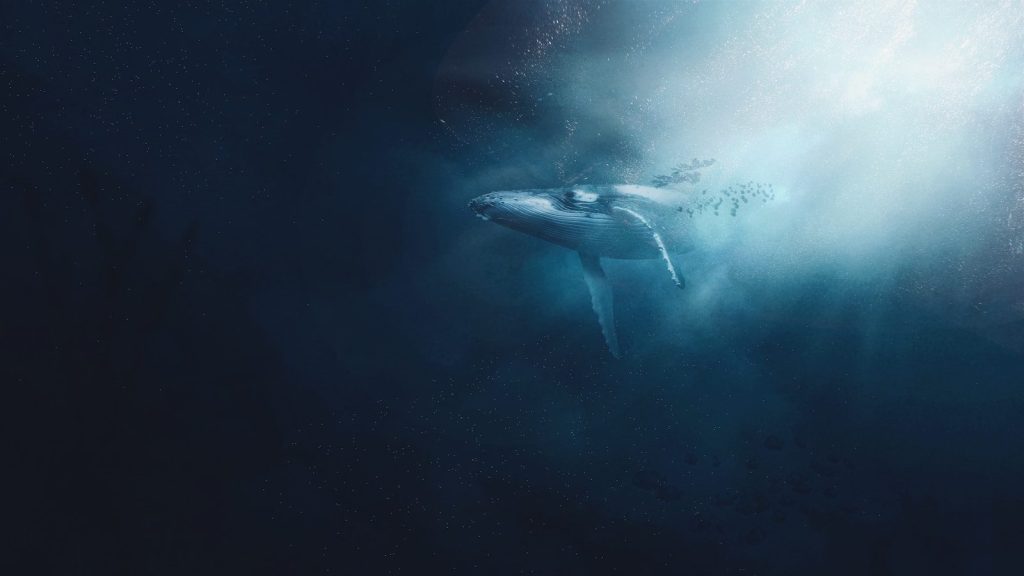
Scientists say the find offers valuable insight into how life survives in one of the planet’s harshest environments, where there is no sunlight, little oxygen, and immense pressure.
The discovery also highlights the remarkable biodiversity hidden in Earth’s deepest oceans and may help researchers better understand the evolution of deep-sea ecosystems.
Disclaimer: The images used in this article are for illustrative and representational purposes only. They may not depict the actual people, animals, locations, or events described.