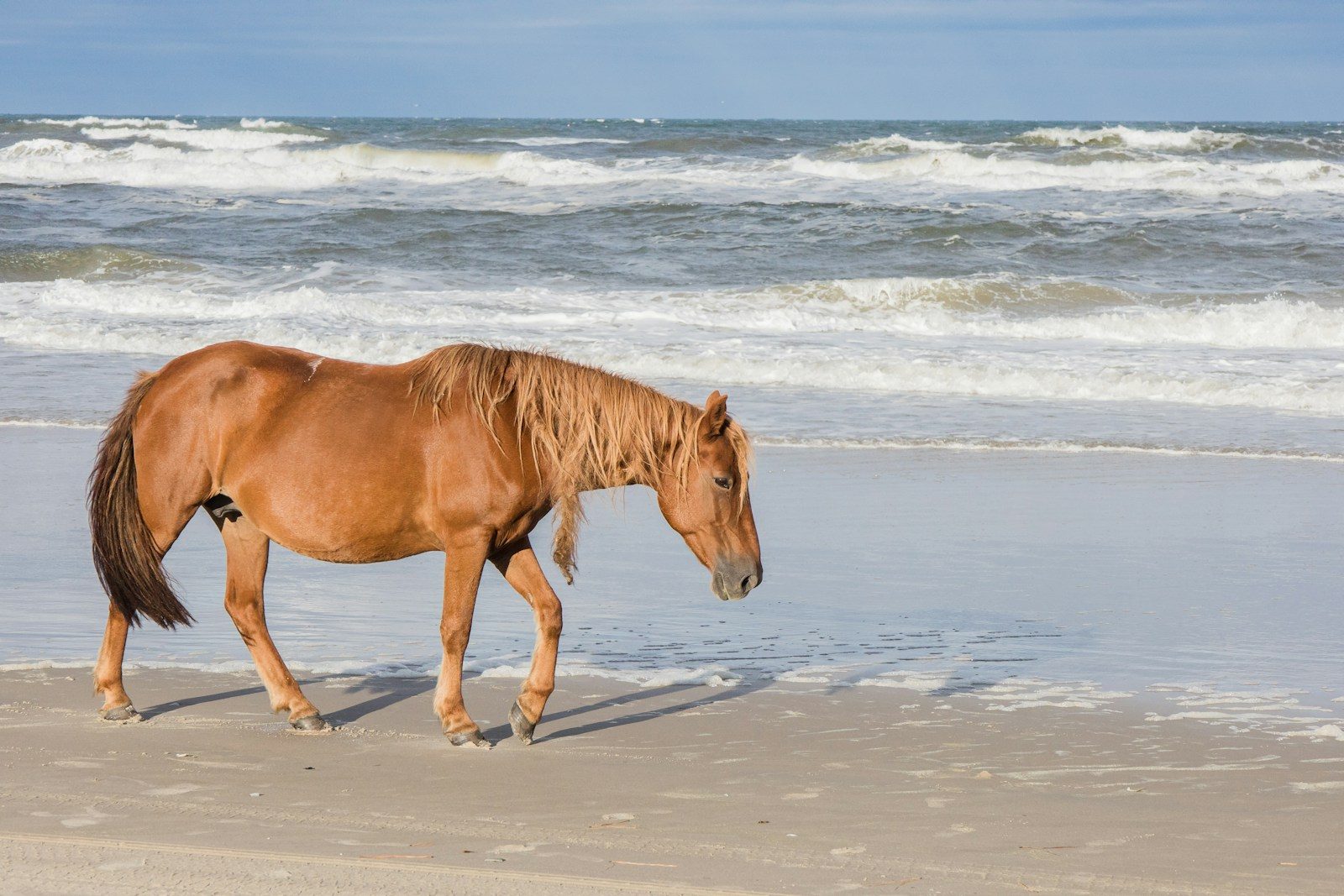
A family enjoying a day at the beach experienced an unforgettable surprise when a wild mare and her foal calmly approached their children as they played in the sand.
The heartwarming encounter, captured on video and shared on TikTok, has left animal lovers dreaming of witnessing the famous wild horses of North Carolina’s Outer Banks for themselves.
Wild Mare and Foal Stroll Up to Beachgoers
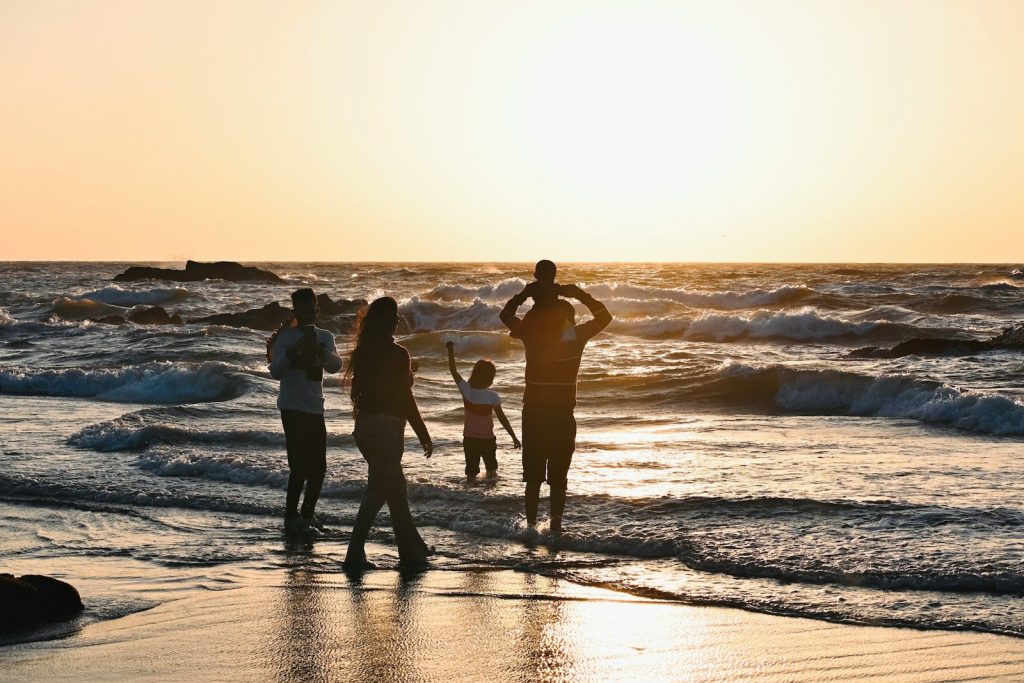
The viral clip, shared by mom Kelli Tiong, shows a mare and her young foal quietly walking over to a group of children playing on the beach.
While a few of the kids appeared slightly nervous, they remained calm as the curious horses briefly observed them before wandering away.
A Once-in-a-Lifetime Wildlife Encounter
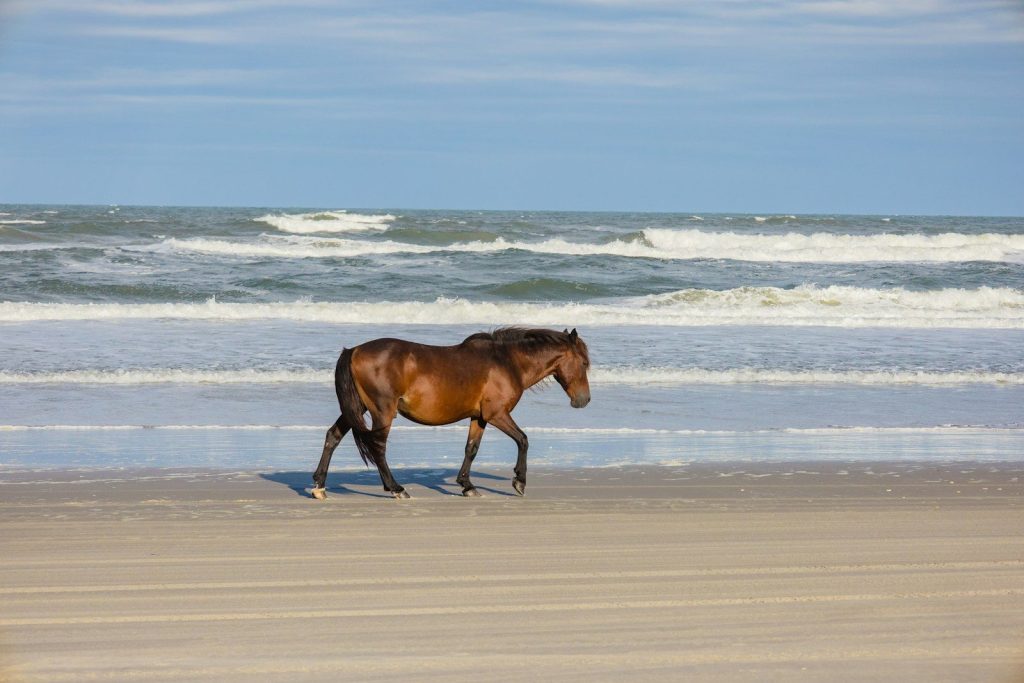
Later during the family’s beach trip, they also spotted an entire herd of wild horses roaming along the shoreline.
Encounters like these are considered rare and are among the biggest attractions for visitors exploring the Outer Banks.
Meet the Famous Corolla Wild Horses
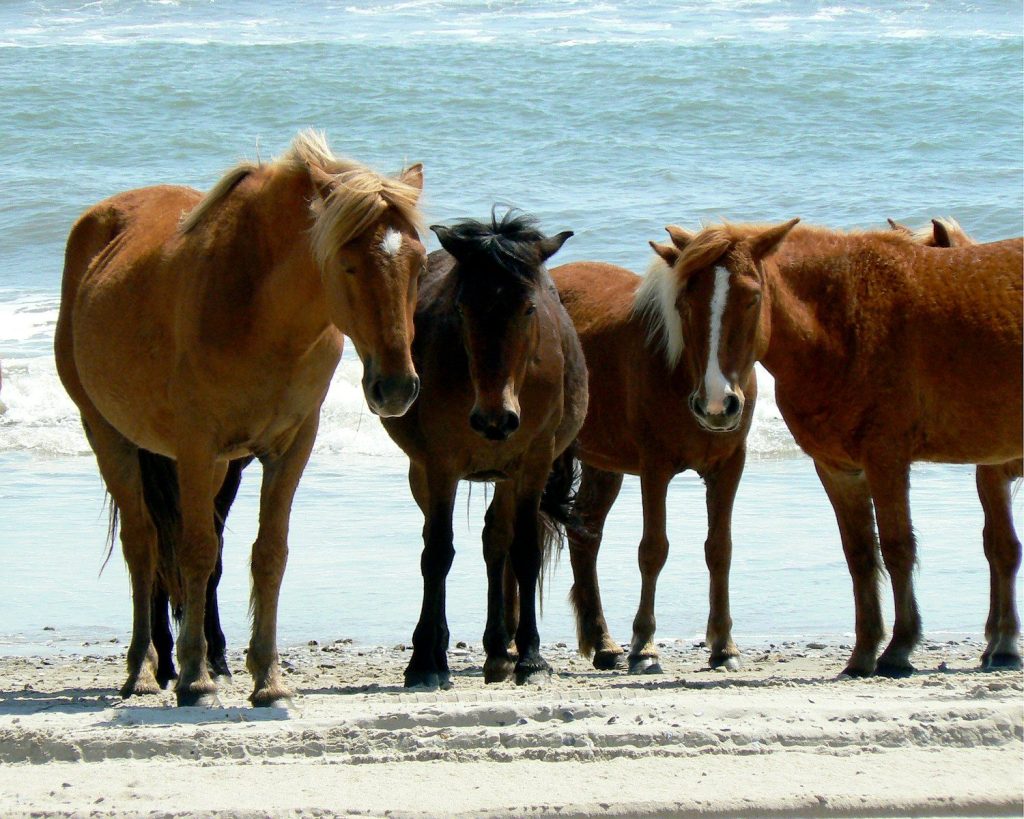
The horses are part of the Corolla wild horse herd, descendants of Colonial Spanish Mustangs that have lived along North Carolina’s coast for centuries.
Today, around 100 horses remain in the protected herd, where they roam freely while conservation teams monitor their health and safety.
How Visitors Can See Them Responsibly
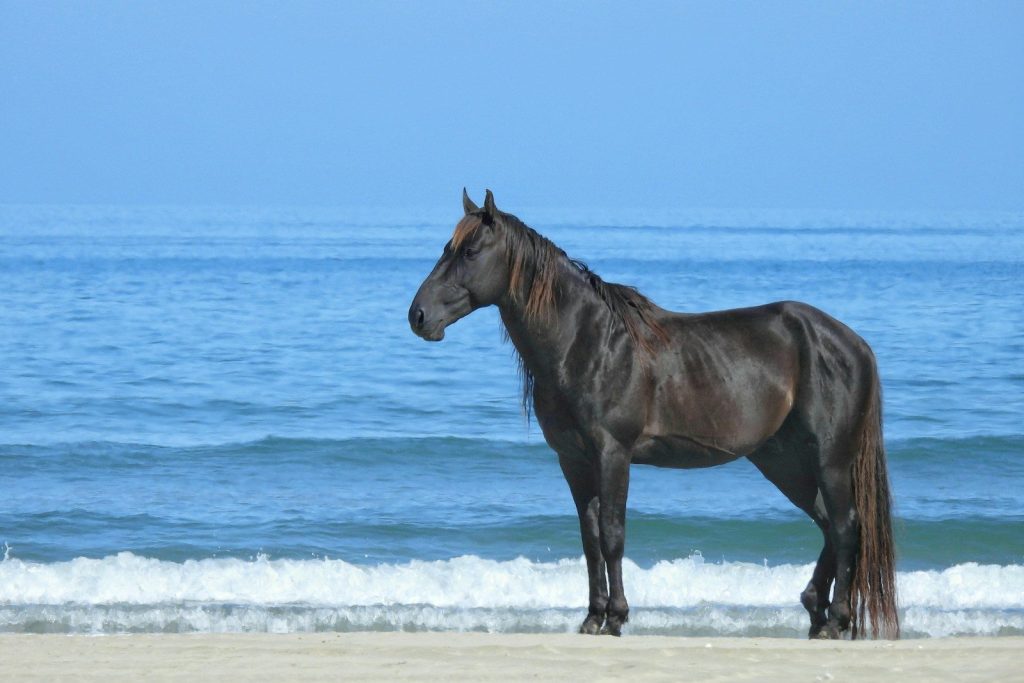
Travelers hoping to spot the horses can join guided wildlife tours, which greatly improve the chances of seeing them while minimizing disturbance to the animals.
Experts remind visitors to admire the horses from a safe distance and never attempt to feed or approach them.
Why Feeding Wild Horses Can Be Dangerous
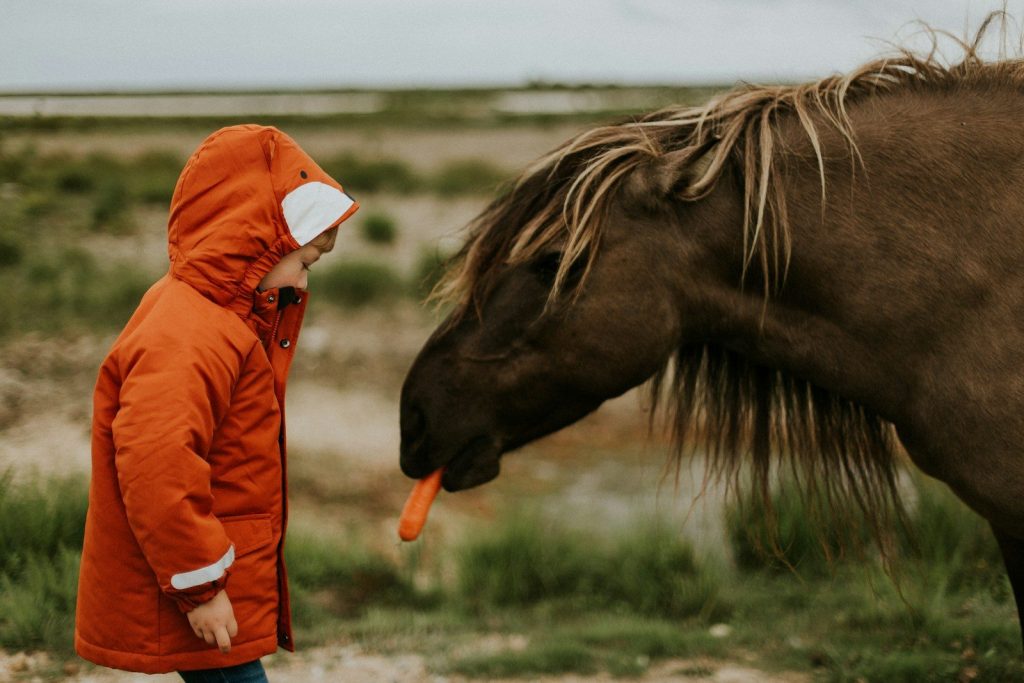
Although offering treats may seem harmless, conservation officials warn that foods such as apples and carrots can seriously harm these horses because their digestive systems are adapted to their natural coastal diet.
Respecting viewing guidelines helps ensure both visitors and the iconic wild horses remain safe for generations to come.
Disclaimer: The images used in this article are for illustrative and representational purposes only. They may not depict the actual people, animals, locations, or events described.