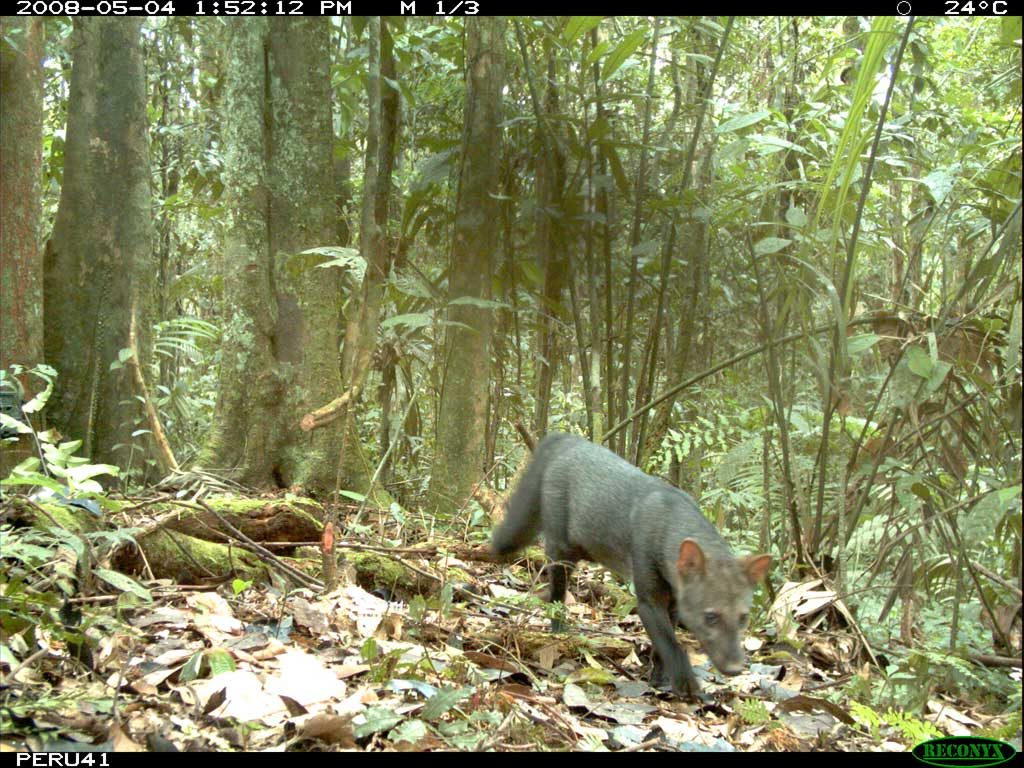
Hidden deep within the Amazon rainforest lives one of the world’s most mysterious wild dogs. Known as the short-eared dog, this elusive predator has earned the nickname “ghost dog” because so few people have ever seen one in the wild. After decades of mystery, scientists have finally uncovered new details about this remarkable animal through one of the largest camera trap studies ever conducted in the Amazon.
Why Is It Called the Ghost Dog?

The short-eared dog has remained one of the least understood members of the dog family for decades. Its secretive behavior, exceptional hearing, and keen sense of smell allow it to avoid people with remarkable success.
Because it spends most of its time deep inside dense Amazon forests, confirmed sightings have always been extremely rare. This mysterious lifestyle has helped create its legendary “ghost dog” reputation.
Camera Traps Reveal a Hidden Population
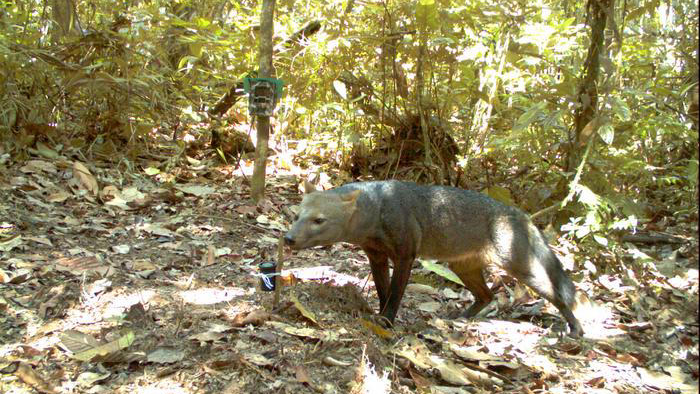
Researchers spent more than 25 years collecting evidence of the species across Bolivia and Peru. Using dozens of camera trap surveys, they gathered over 500 confirmed records and nearly 600 photographs.
The results surprised scientists, who discovered the short-eared dog is far more common than previously believed. Although rarely seen by humans, healthy populations appear to exist in remote forest habitats.
A Dog Unlike Any Other

The short-eared dog has several unusual features that set it apart from other wild canines. It has a large head, tiny rounded ears, short legs, a thick bushy tail, and a dense coat that ranges from dark gray to reddish-brown.
Perhaps its most distinctive feature is its partially webbed paws, a characteristic unique among Amazonian wild dogs. These adaptations help it navigate the challenging rainforest environment.
Built for Life in the Rainforest

Unlike many Amazon predators that stay close to rivers, short-eared dogs prefer upland forests with thick vegetation. Living far from waterways helps explain why they remained hidden from researchers for so long.
Camera trap data also revealed that these dogs are mostly active during daylight hours, especially during the morning between 6 a.m. and noon, making them unusual compared to many other rainforest carnivores.
Why Protecting the Amazon Matters

Scientists believe the future of the short-eared dog depends almost entirely on preserving large, continuous areas of Amazon rainforest. Habitat destruction could threaten populations that have only recently been discovered.
Protected forests and sustainably managed Indigenous territories provide the best chance for these elusive animals to survive. Conserving the Amazon not only safeguards the ghost dog but also countless other species that depend on one of Earth’s richest ecosystems.