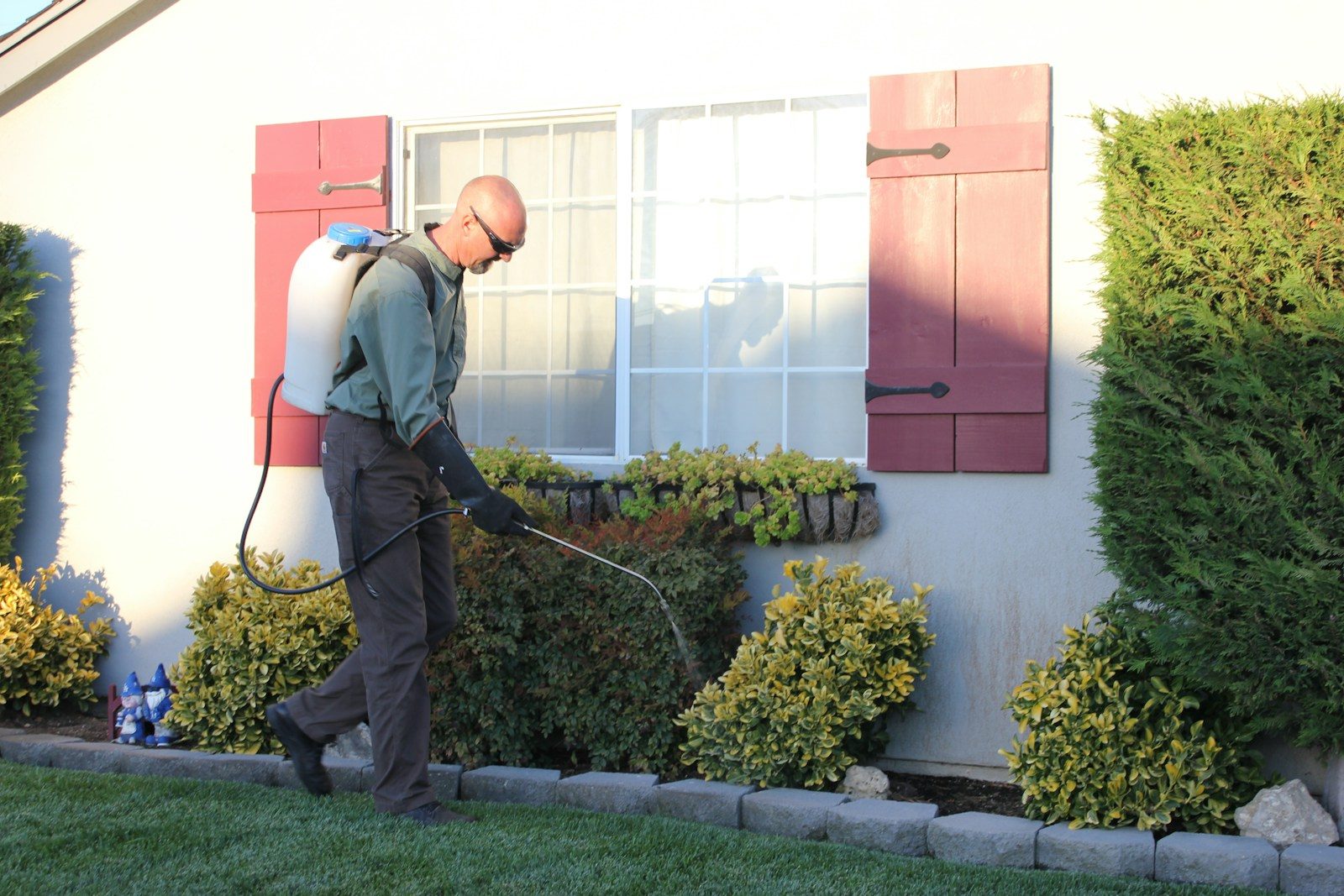
Keeping insects outside is much easier than dealing with a full infestation once they have settled indoors. Small preventative measures can make a significant difference by reducing the number of entry points and removing the food, water, and shelter that attract common household pests.
Whether you are trying to stop ants, flies, spiders, or cockroaches, a combination of home maintenance and good cleaning habits is often the most effective solution. These practical strategies can help create an environment that is far less inviting to unwanted visitors.
Seal Every Possible Entry Point

Insects can squeeze through tiny cracks around windows, doors, utility pipes, and foundations. Sealing these openings with caulk, weather stripping, or expandable foam helps prevent pests from entering your home.
Inspect your home’s exterior regularly for new gaps that may develop over time. Paying attention to these small details can stop insects before they become a larger problem.
Keep Your Home Clean and Free of Food Sources

Crumbs, spills, dirty dishes, and uncovered food attract a wide variety of insects. Wiping surfaces daily and storing food in airtight containers removes many of the resources pests depend on.
Trash should be emptied regularly, and garbage bins should have tight fitting lids. Maintaining a clean kitchen is one of the simplest and most effective ways to discourage insect activity.
Eliminate Moisture Wherever Possible
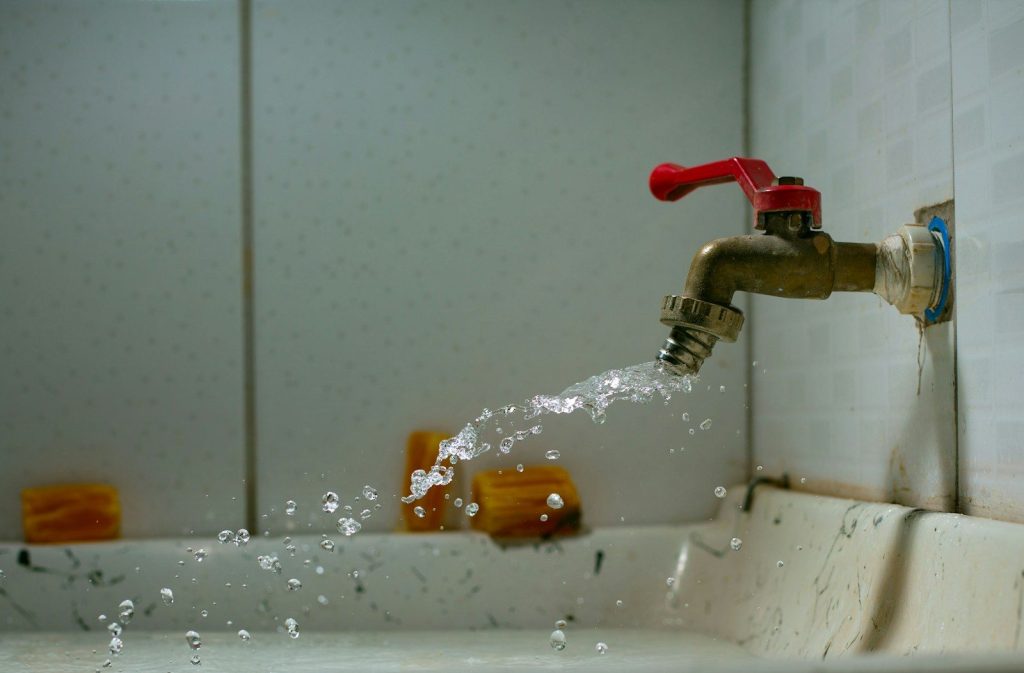
Many insects seek out damp environments where water is readily available. Repairing leaking faucets, fixing plumbing issues, and reducing standing water can make your home much less attractive to pests.
Using a dehumidifier in damp areas such as basements or crawl spaces can also help. Lower humidity limits the conditions that many insects need to survive and reproduce.
Install and Maintain Window Screens

Fresh air does not have to come at the expense of inviting insects indoors. Well fitted window and door screens allow ventilation while blocking flies, mosquitoes, and many other flying pests.
Inspect screens regularly for tears or loose edges that insects could use as entry points. Prompt repairs help maintain an effective barrier throughout the year.
Keep Your Yard Well Maintained

Overgrown vegetation, leaf piles, mulch, and stacked firewood create ideal hiding places for insects. Trimming shrubs, mowing the lawn, and keeping plants away from exterior walls reduces the chances of pests moving indoors.
Cleaning gutters and removing yard debris also helps eliminate moisture and nesting sites. A tidy landscape supports both pest prevention and overall home maintenance.
Know When Professional Help Is Needed
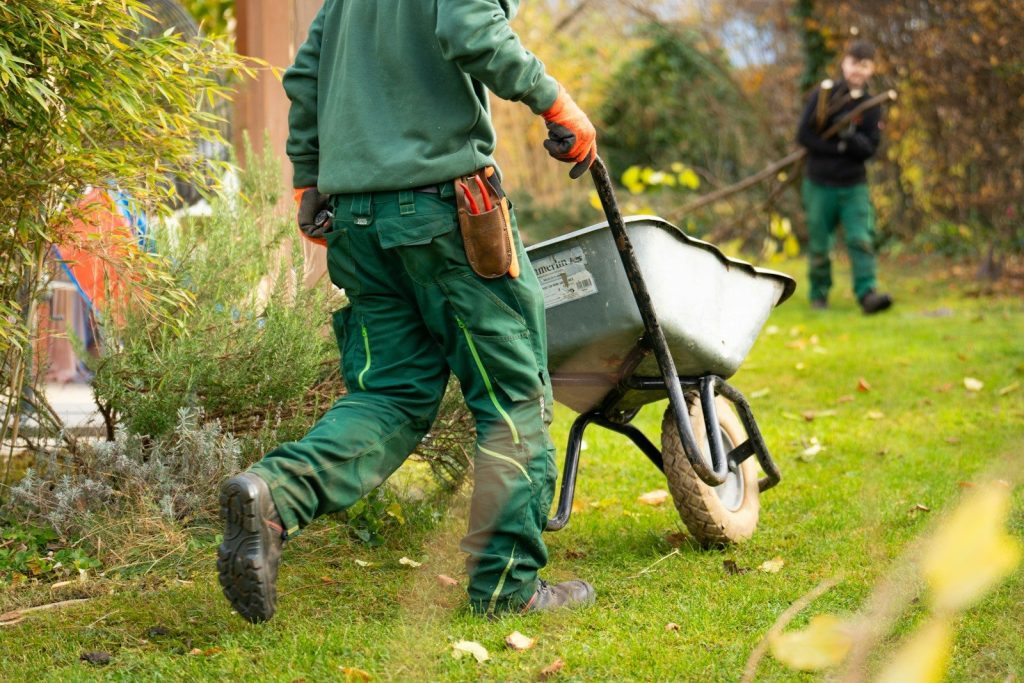
Preventative measures work well for most homes, but large infestations may require expert treatment. If insects continue appearing despite your efforts, a licensed pest control professional can identify hidden entry points and recommend targeted solutions.
Combining regular maintenance with professional advice when necessary provides the best long term protection. Staying proactive can help keep your home cleaner, healthier, and far less inviting to unwanted insects.