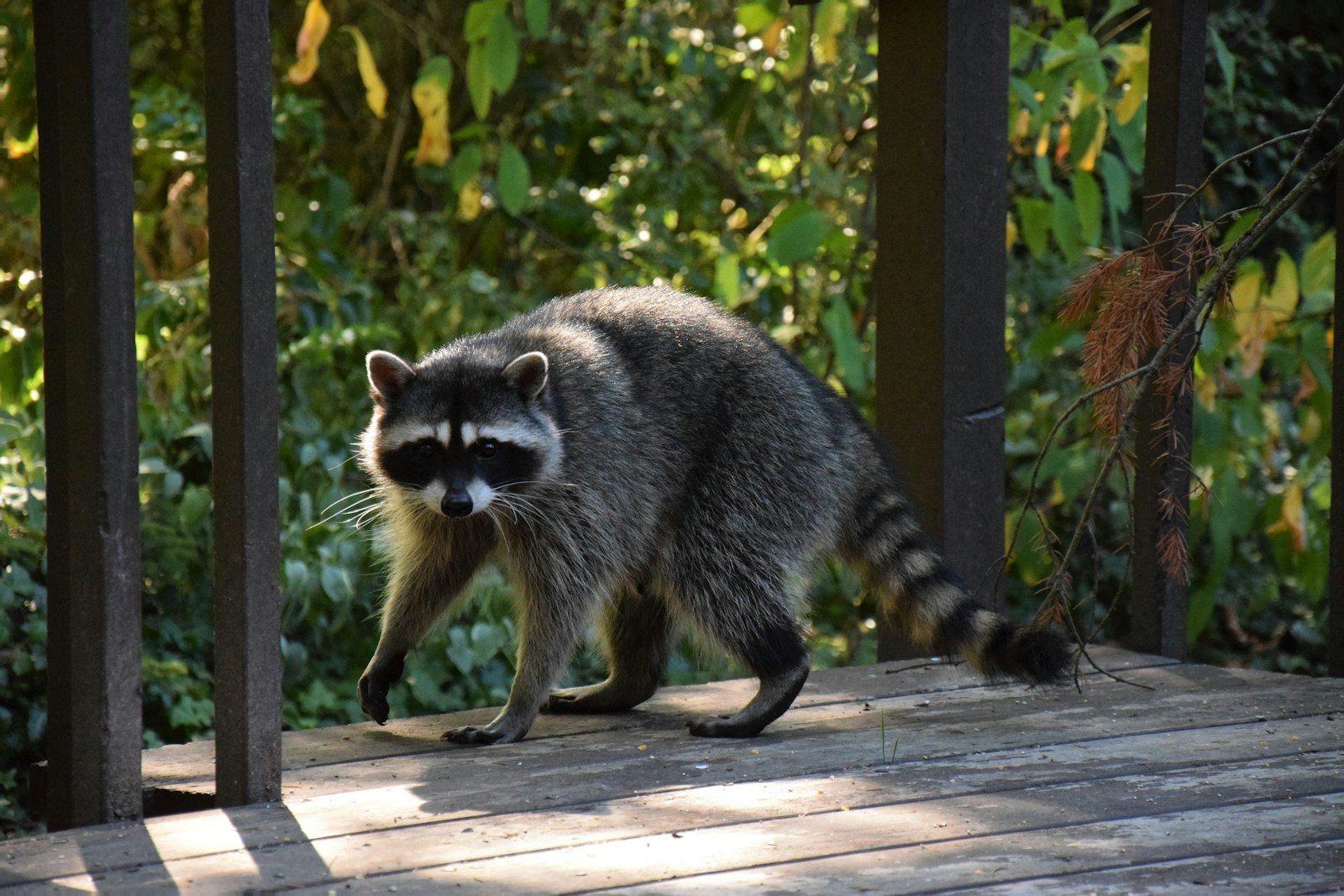
Raccoons have long been seen as clever urban survivors, often spotted rummaging through trash bins and adapting easily to human environments. Recently, some scientists have suggested that these animals may be showing early signs of “self-domestication,” raising the question of whether they could one day become pets.
The idea is based on observed changes in raccoon behavior and physical traits in cities compared to rural areas, though it remains a topic of debate among researchers.
What “Self-Domestication” Means
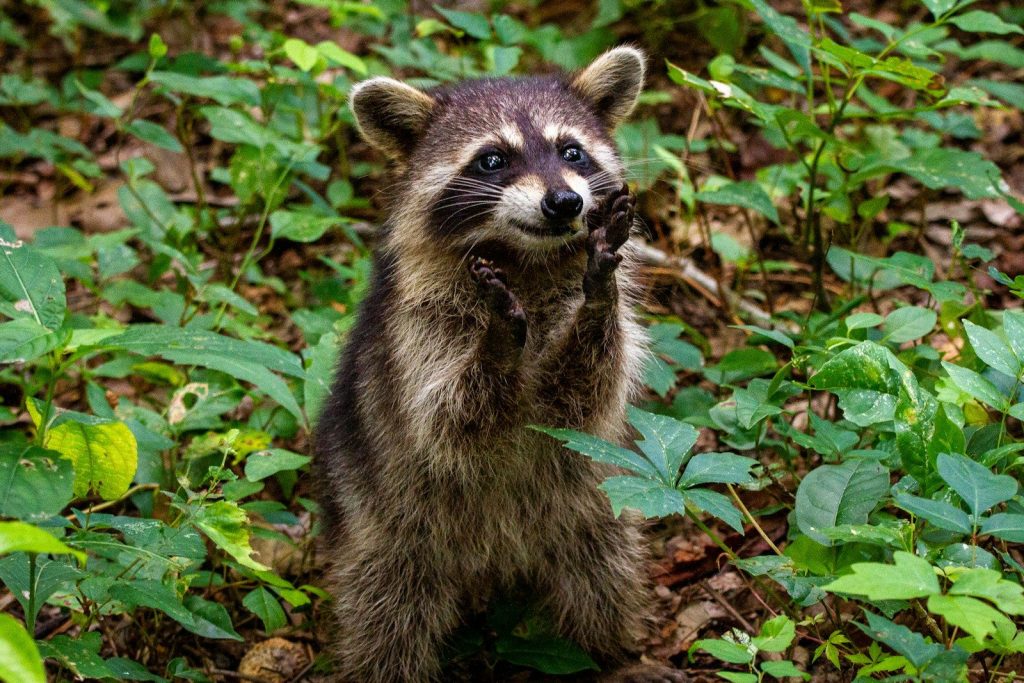
Self-domestication is a theory suggesting that some animals gradually become more tolerant of humans without direct breeding or control. Over time, this can lead to calmer behavior and subtle physical changes.
In raccoons, researchers have observed traits that may hint at this process, especially in urban populations that live close to people.
Urban Raccoons and Adaptation
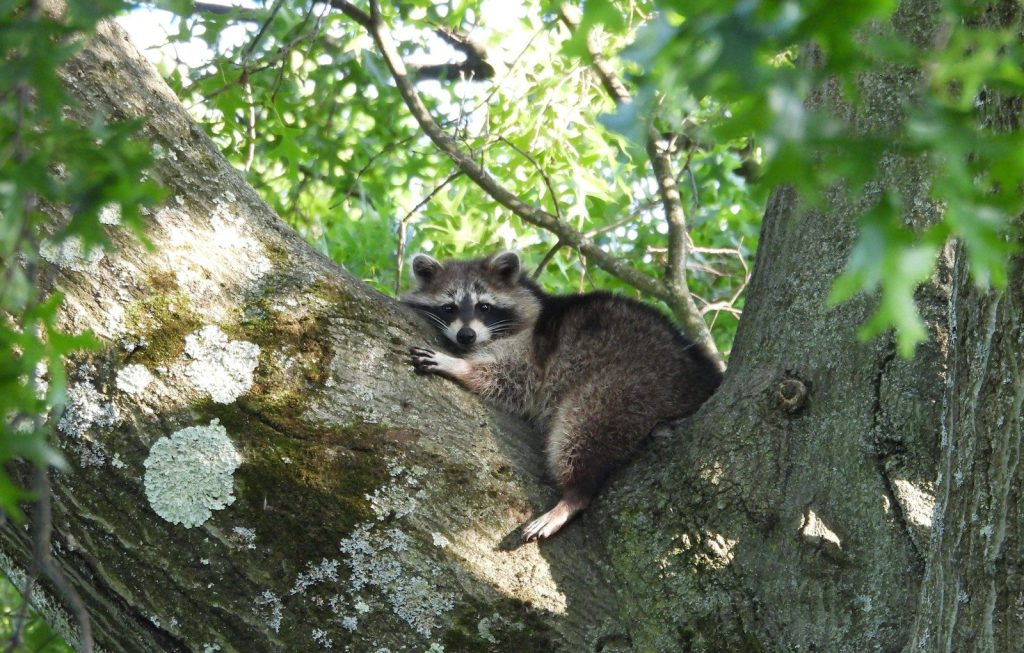
City raccoons are highly adaptable and thrive in human environments where food is easy to find. Their ability to open containers, solve problems, and navigate cities shows strong intelligence and learning ability.
These survival skills help them take advantage of human waste and shelter, increasing their success in urban areas.
Possible Physical Changes
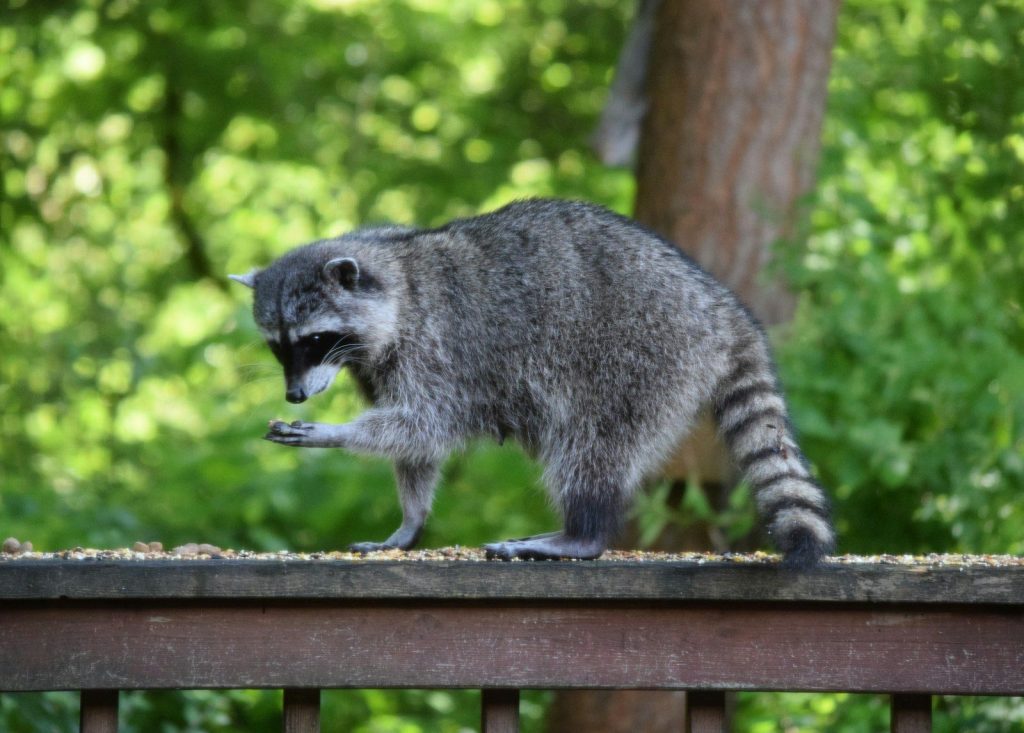
Some studies suggest urban raccoons may have slightly shorter snouts compared to rural ones. This type of change has been linked in other animals to early domestication patterns.
However, these differences are small and not enough to confirm full domestication. Scientists continue to study whether these traits are significant or coincidental.
Why Raccoons Are Not Pets
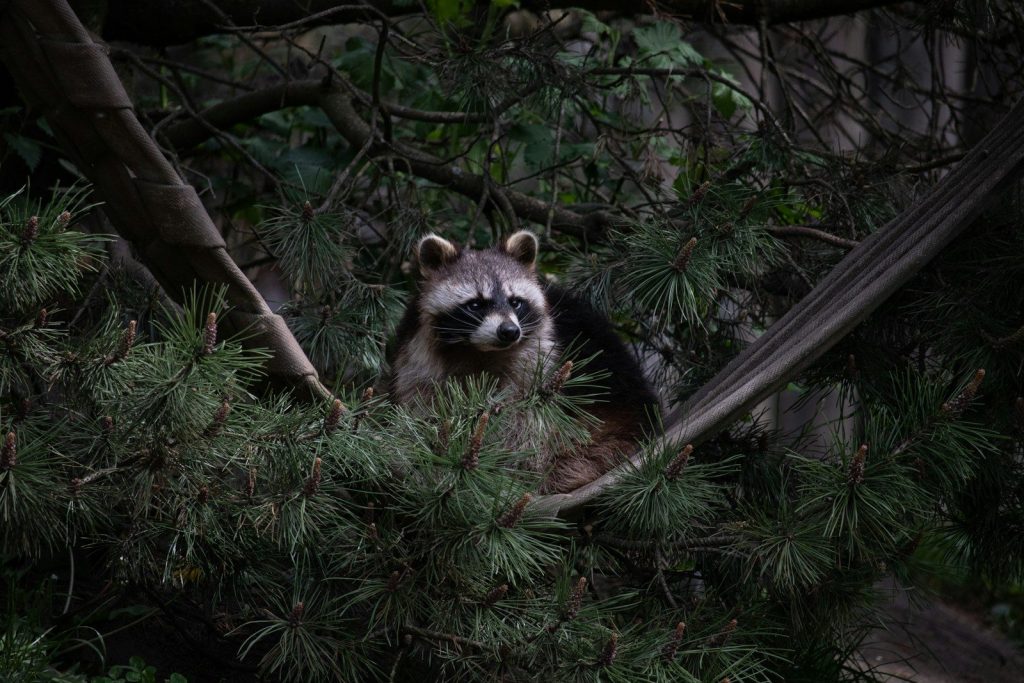
Despite their intelligence, raccoons are still wild animals and do not naturally fit into domestic life. They are unpredictable, strong, and difficult to train consistently.
Even hand-raised raccoons may develop aggressive or destructive behavior as they mature. This makes them unsuitable as household pets in most situations.
The Role of Human Environments
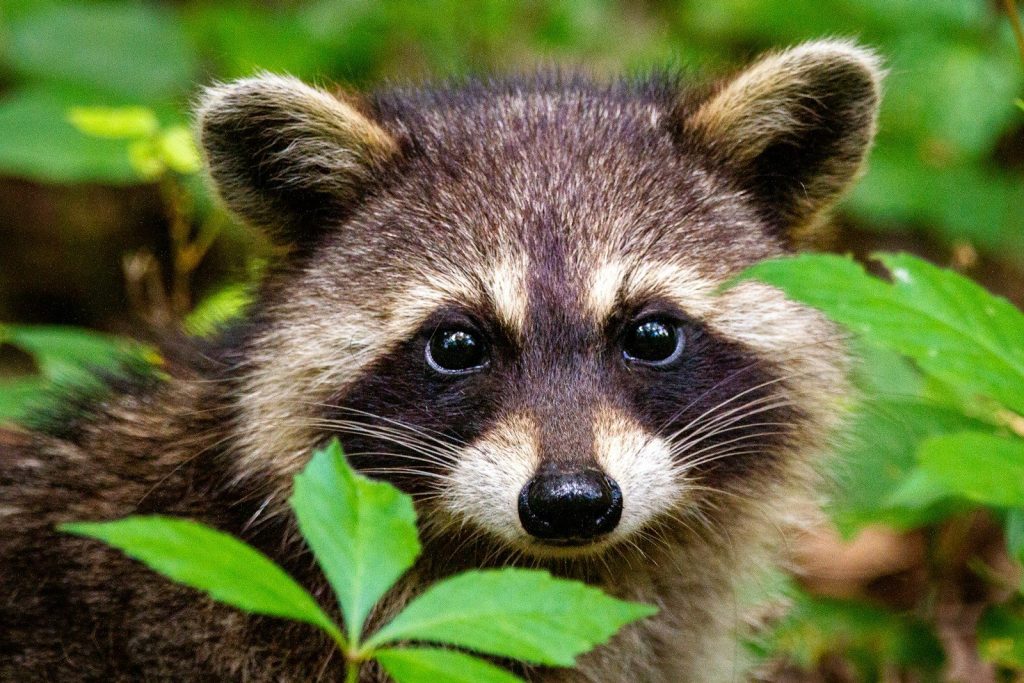
Human cities unintentionally create ideal conditions for raccoons. Easy access to food and fewer predators allow them to survive and reproduce successfully.
This close contact increases interaction but does not automatically lead to true domestication.
Scientific Debate Continues
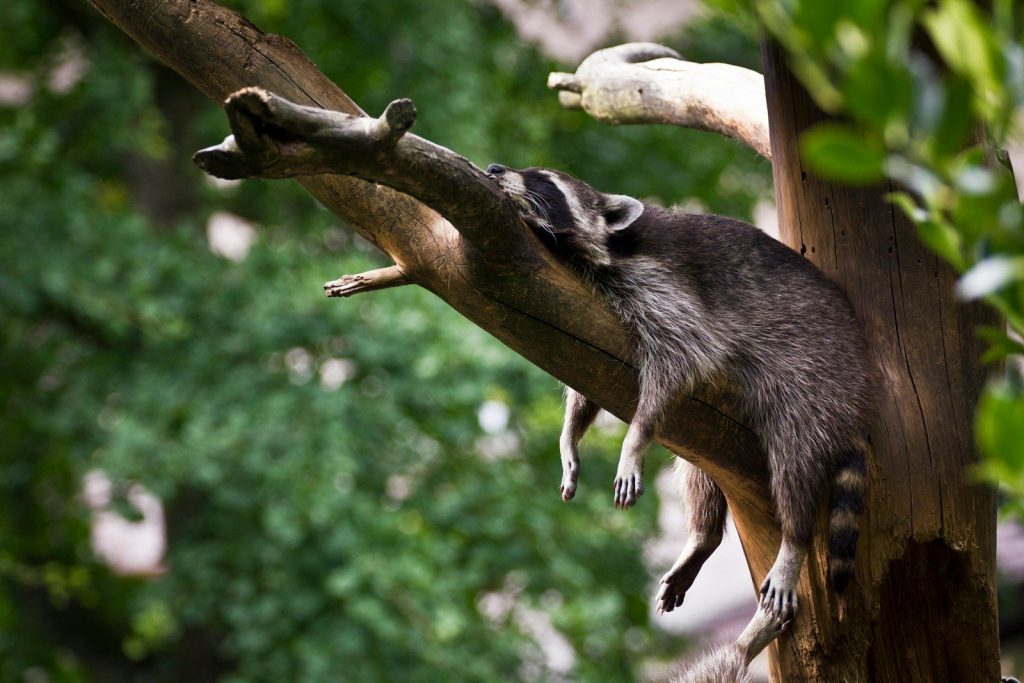
Some researchers see early signs of adaptation, while others argue that raccoons remain fully wild species. The differences in opinion show that domestication is a complex and long-term process.
More research is needed to determine whether these changes represent evolution toward domestication or just normal urban adaptation.