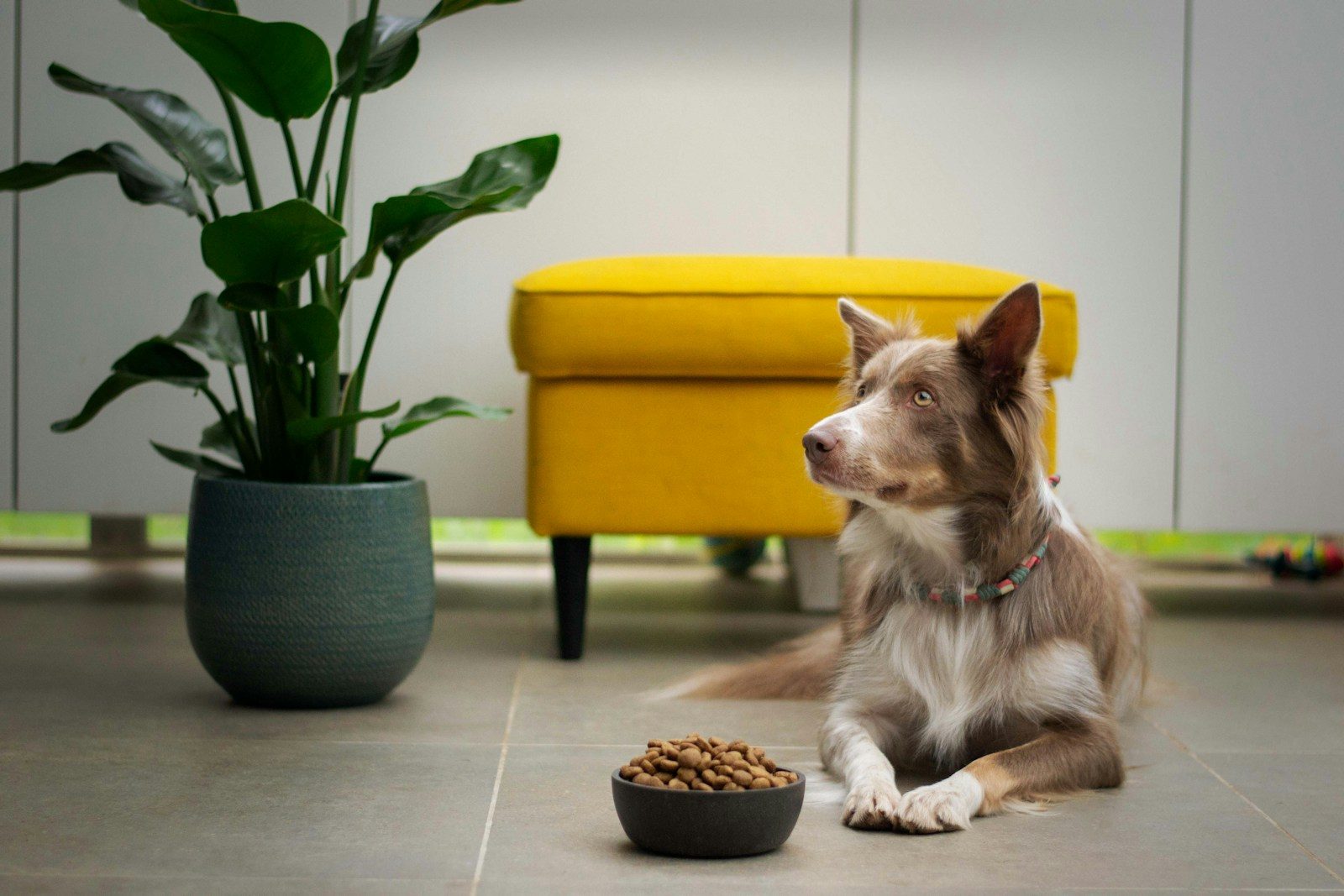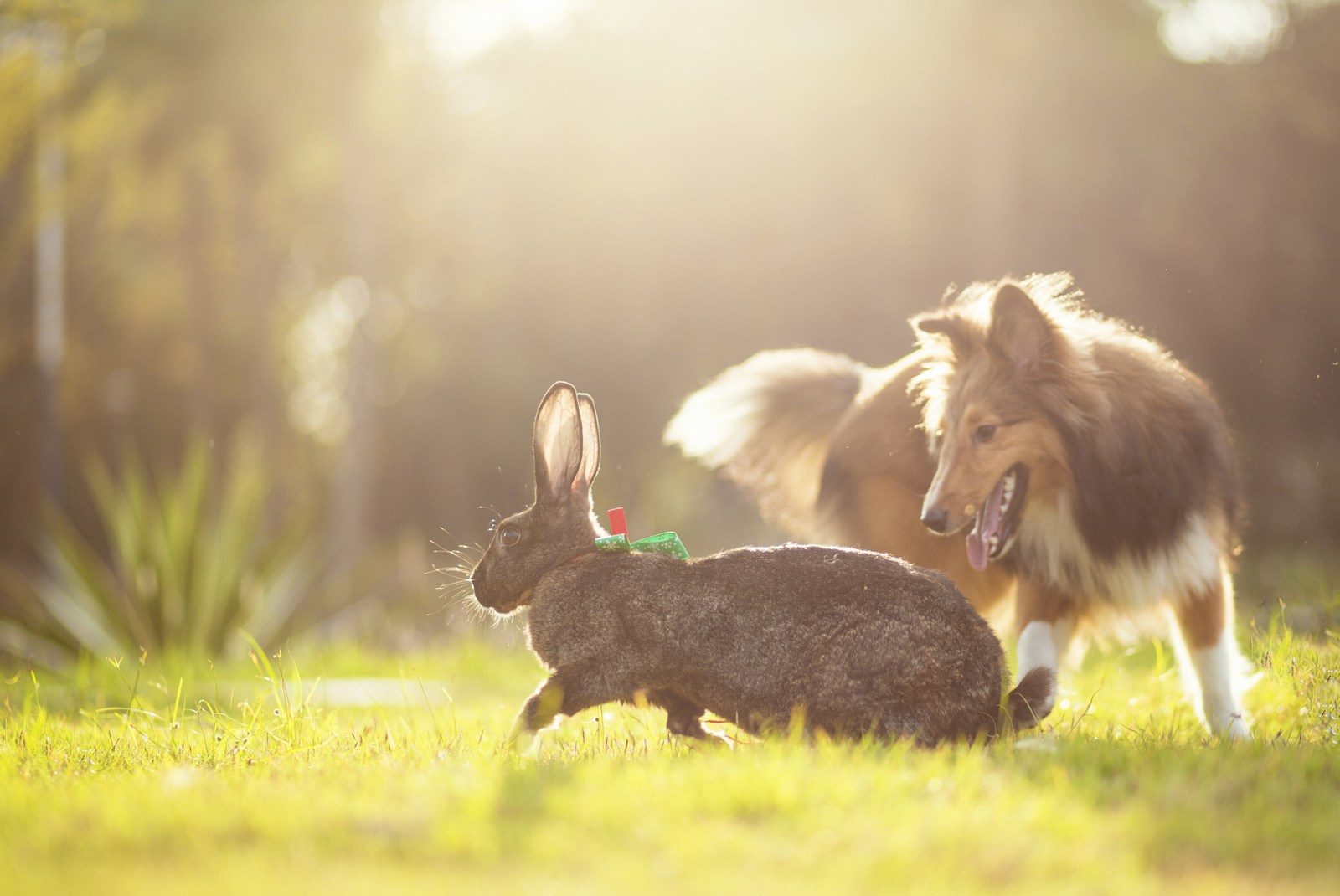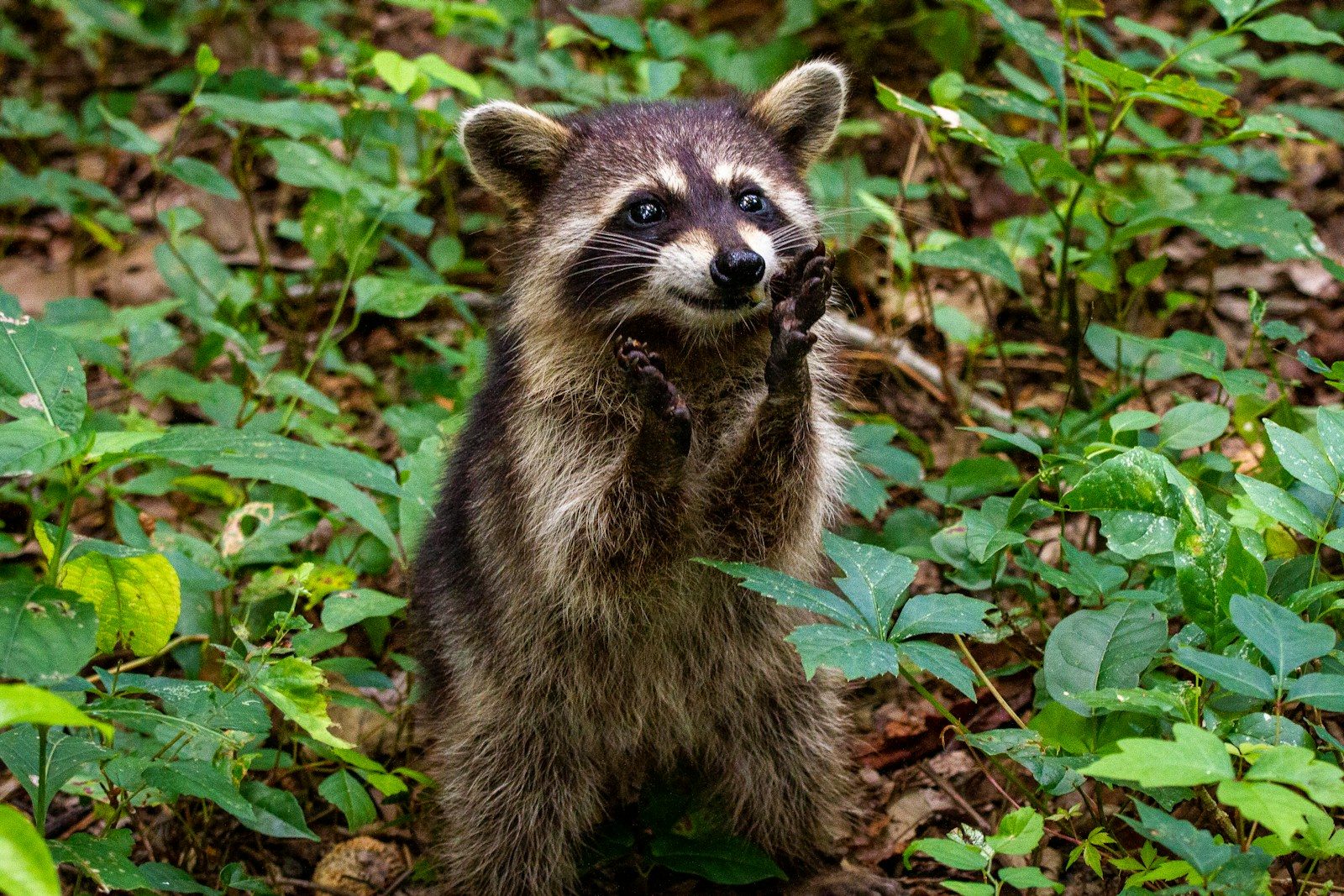
For thousands of years, dogs have been humanity’s preferred animal companions, evolving alongside people and adapting to life in human households Dog. But as interest in unusual pets grows, some people have wondered whether raccoons could one day follow a similar path toward domestication.
While raccoons are intelligent, curious, and capable of forming bonds with humans, becoming the “dogs of the future” would require overcoming significant biological and behavioral challenges. Their unique traits make the idea intriguing, but the reality is far more complicated.
Raccoons Are Exceptionally Intelligent
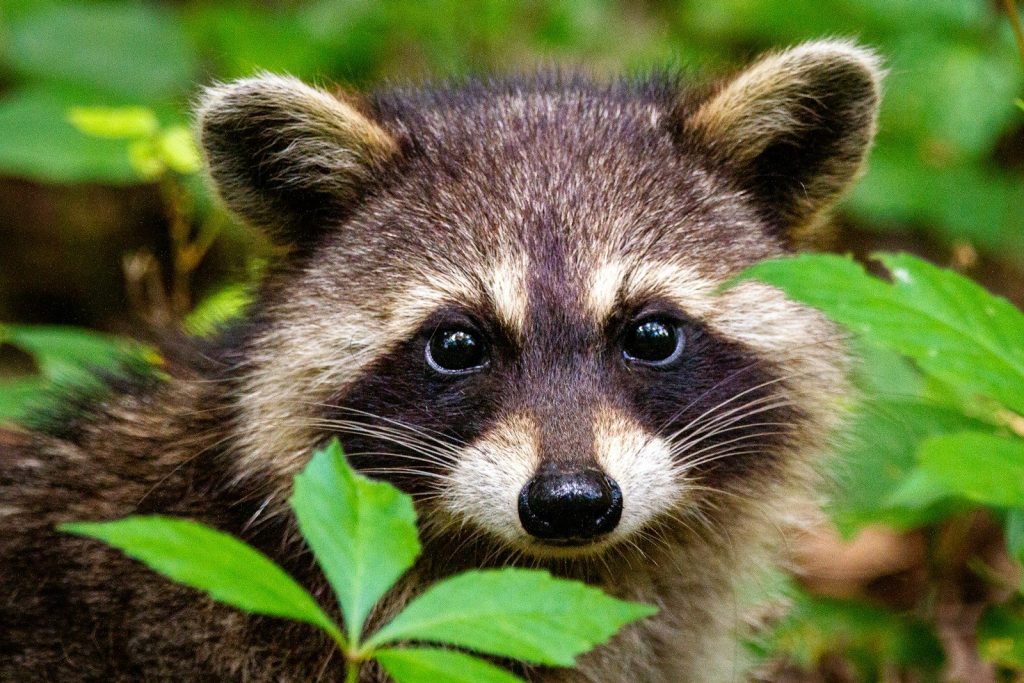
Raccoons are known for their problem solving abilities and remarkable dexterity Raccoon. Their sensitive front paws allow them to manipulate objects with surprising precision.
Studies have shown that raccoons can remember solutions to puzzles for extended periods. This intelligence is one reason they attract attention as potential companion animals.
They Adapt Well to Human Environments
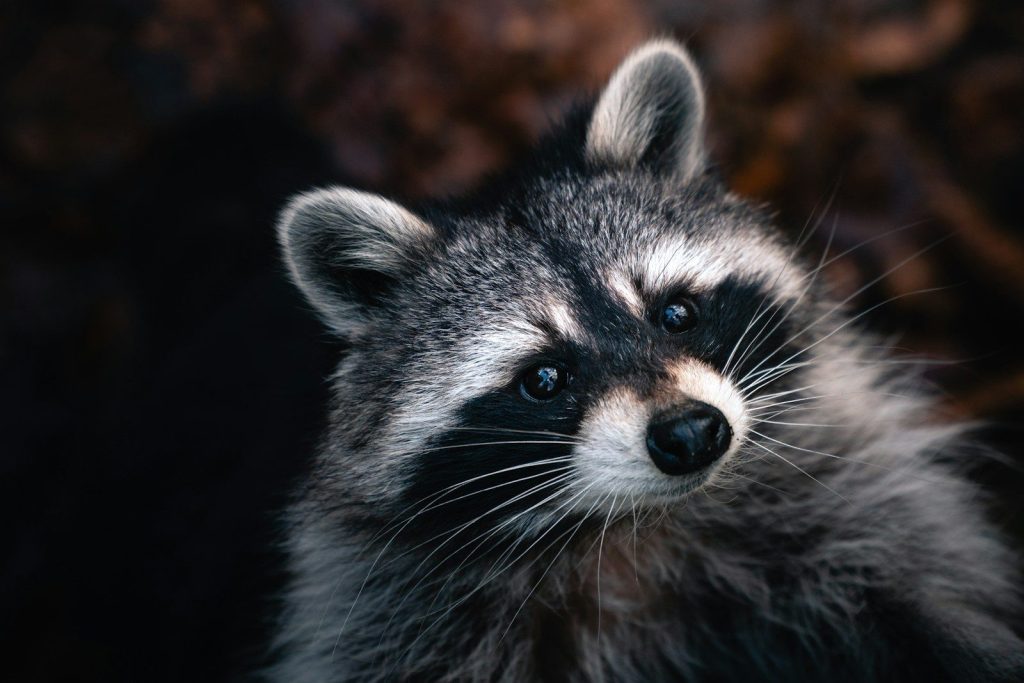
Unlike many wild animals, raccoons have adapted successfully to urban and suburban settings. They often thrive in areas where food and shelter are readily available.
Their ability to coexist near people demonstrates a high level of adaptability. However, living near humans is not the same as being domesticated.
Domestication Takes Thousands of Years

Dogs did not become household companions overnight. The domestication process involved thousands of years of selective breeding that gradually favored traits such as sociability, cooperation, and reduced aggression.
Raccoons have not undergone a similar evolutionary journey. As a result, they retain many of the instincts and behaviors associated with wild animals.
Their Independence Can Be Challenging
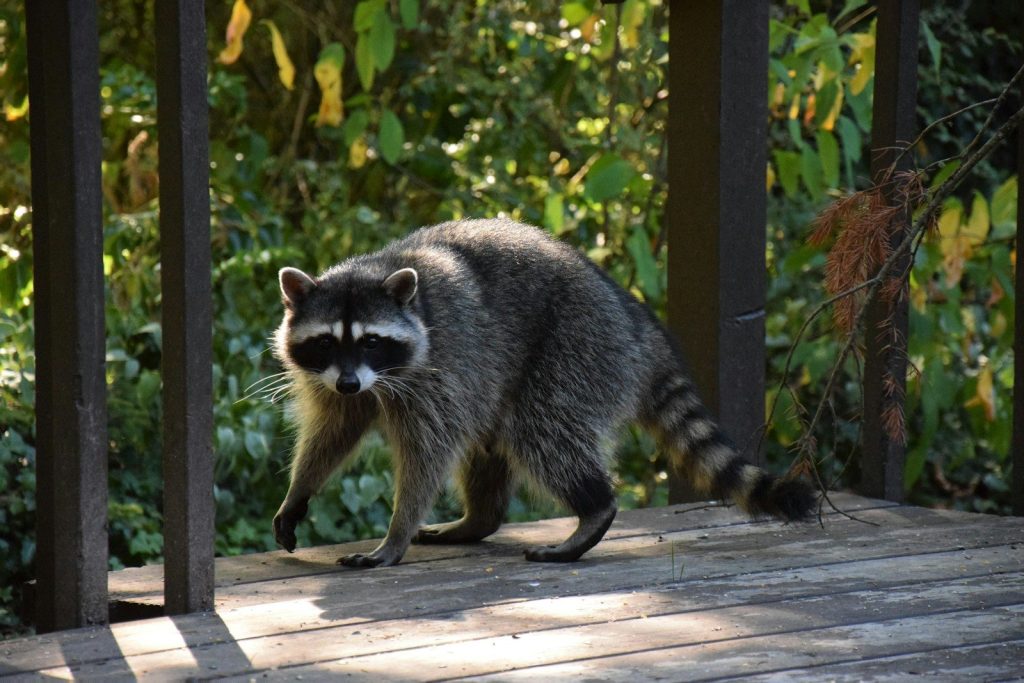
Raccoons are highly independent creatures that often prefer exploring and making decisions on their own. This trait differs significantly from many domestic dogs that are naturally inclined to work closely with humans.
Their independence can make training more difficult. Owners may struggle to establish the consistency commonly expected from traditional pets.
Natural Curiosity Can Lead to Trouble
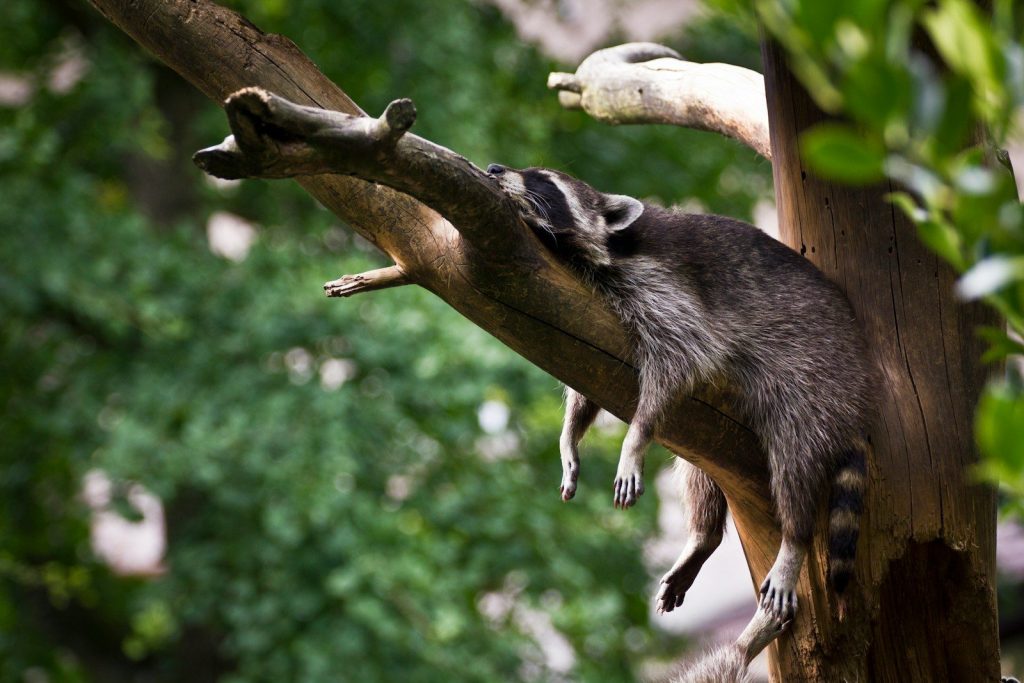
A raccoon’s curiosity is one of its most defining characteristics. They frequently investigate objects, open containers, and explore areas that other animals might ignore.
While entertaining, this behavior can also create challenges inside a home. Their tendency to manipulate objects may result in damaged belongings or constant supervision needs.
Wild Instincts Remain Strong
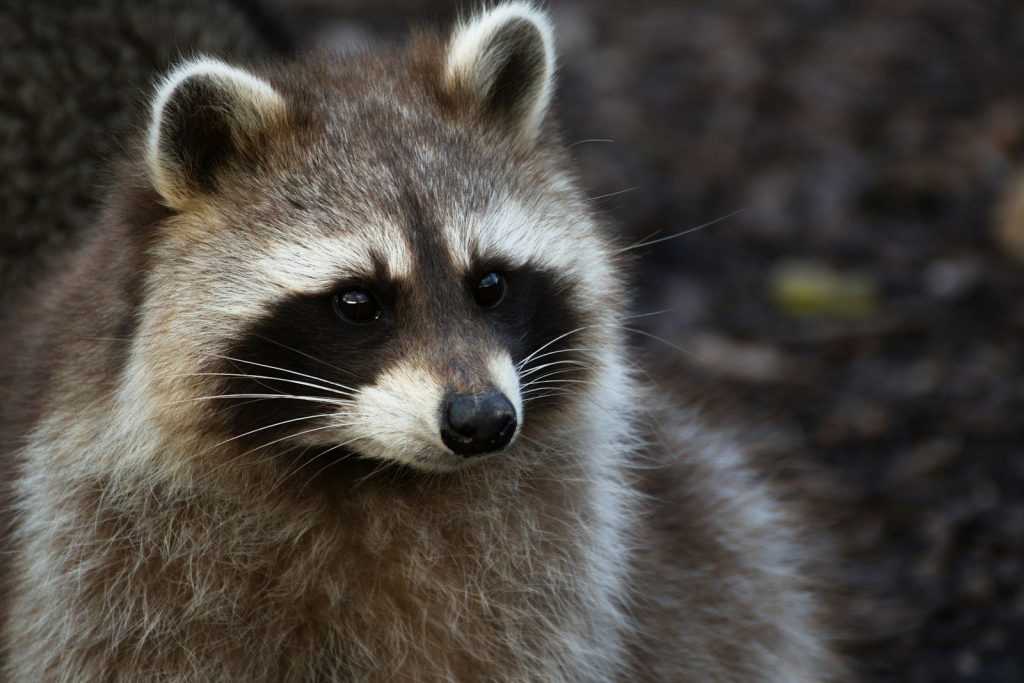
Even raccoons raised around people continue to possess strong natural instincts. They may display unpredictable behavior, particularly as they mature.
Unlike domesticated animals that have been selectively bred for companionship, raccoons still react according to their wild heritage. This can make them difficult to manage in a household environment.
Dogs Still Have a Unique Advantage

Dogs possess traits that have been refined through thousands of years of coexistence with humans. Their social nature, trainability, and willingness to cooperate make them uniquely suited to life as companion animals.
Raccoons may be intelligent and adaptable, but they lack many of the characteristics that define successful domestication. This remains one of the biggest obstacles to their future as household pets.