
A recent animal cruelty investigation in Roseville, California led authorities to rescue four dogs from a private property. A woman was arrested as officials continued to examine the conditions that prompted the intervention.
The case has drawn attention to how quickly animal welfare concerns can escalate into criminal investigations. It also highlights the coordinated response required to protect animals in suspected neglect situations.
Investigation Began After Concerns Were Reported

Animal welfare cases often begin when community members notice signs of possible neglect and alert authorities. In this situation, reports prompted officials to examine conditions at the property.
Early reporting plays a major role in preventing long term suffering. It allows animal control teams to intervene before situations become more severe.
Dogs Found Needing Immediate Protection and Care

When authorities arrived, the dogs were removed from the property and placed into protective custody. Officials prioritized ensuring the animals were safe and could receive immediate attention.
Each animal was assessed to determine its physical and emotional condition. The focus shifted quickly from removal to stabilization and care.
Conditions Often Reveal Signs of Neglect or Poor Care

In animal cruelty investigations, officers look for indicators such as lack of proper nutrition, unsafe living spaces, or untreated health issues. These signs can suggest long term neglect even when abuse is not immediately visible.
Such environments can have serious effects on an animal’s health and behavior. Recovery often depends on how long the animals were exposed to harmful conditions.
Animal Control and Veterinarians Handle Recovery
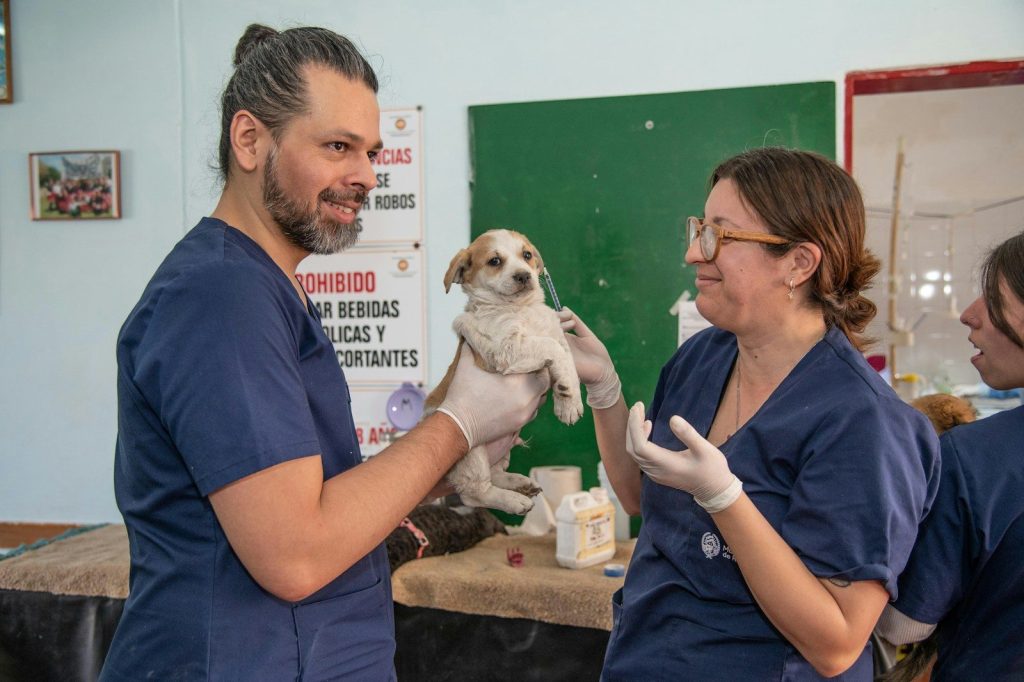
After rescue, animal control teams work closely with veterinarians to evaluate each animal’s condition. Medical treatment, feeding plans, and behavioral support are often required.
Recovery can vary widely depending on the severity of neglect. Some animals improve quickly while others need extended rehabilitation.
Legal Action May Follow Depending on Findings

Once animals are removed, investigators continue gathering evidence to determine whether charges are appropriate. Outcomes can range from warnings to criminal prosecution depending on the severity of the case.
These laws are designed to ensure minimum standards of care are met. They also help authorities intervene when animals are at risk.