For years, conservationists feared that one of Africa’s rarest mammals had vanished from large parts of its former range. Hidden deep within Kenya’s remote forests, the mountain bongo seemed to be disappearing, with only a tiny population known to survive. But a recent discovery has sparked new hope. Camera traps placed in one of Kenya’s most inaccessible wilderness areas captured images of this elusive antelope, proving that it still survives where many believed it had gone extinct.
Meet the Mountain Bongo

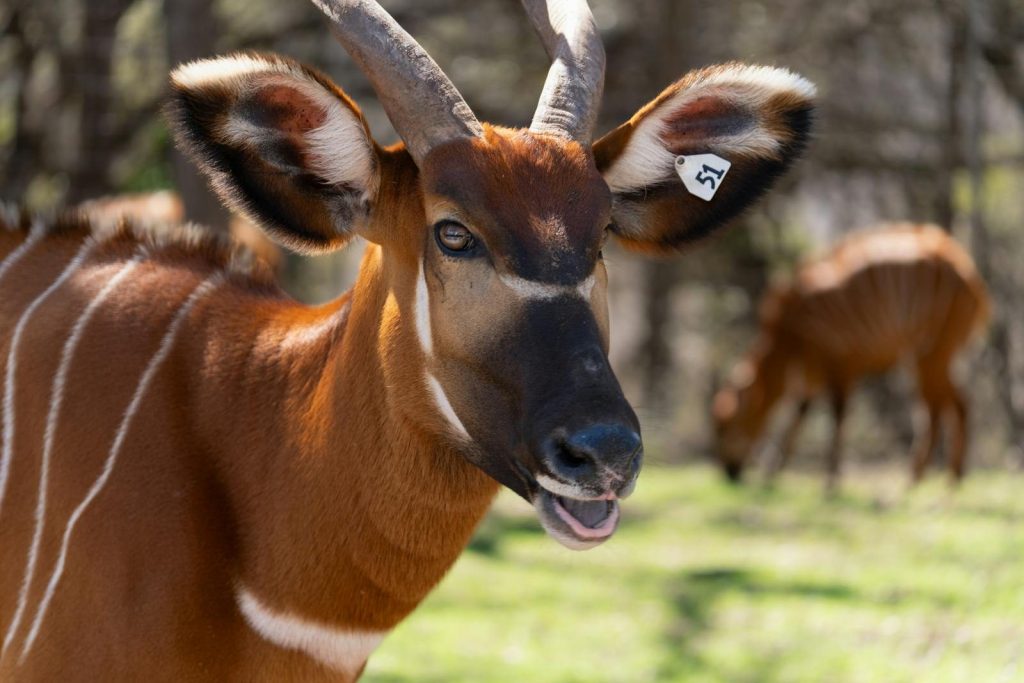
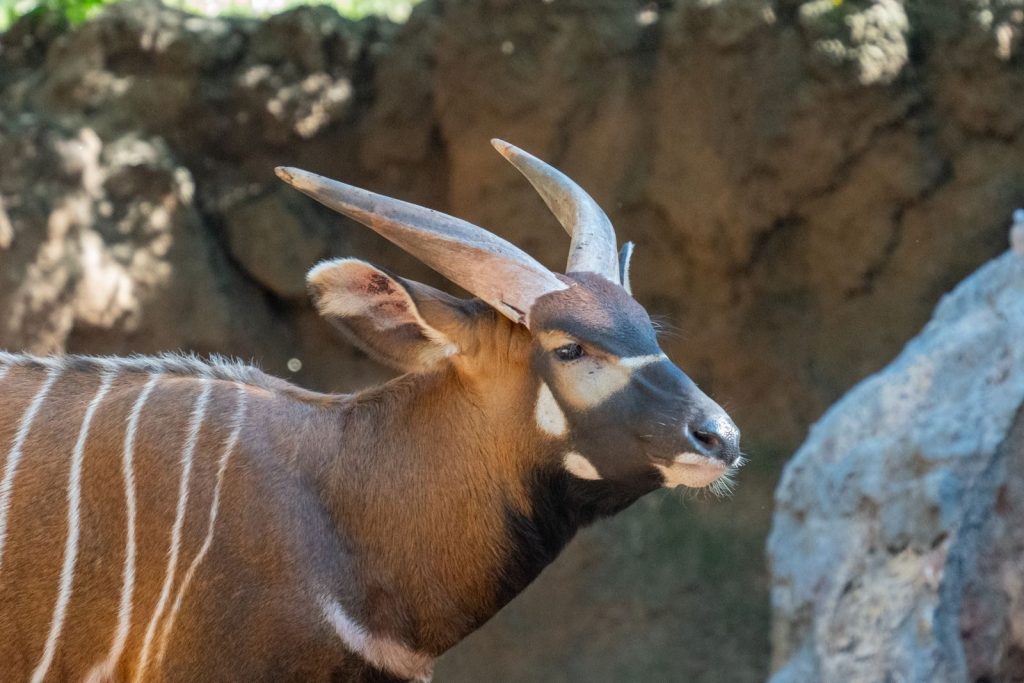
The mountain bongo is the largest forest antelope in the world and one of Africa’s most endangered mammals. Recognizable by its rich chestnut coat and striking white stripes, this shy animal spends most of its life hidden within dense mountain forests.
Unlike many African antelope species that roam open plains, mountain bongos prefer thick vegetation where they can remain concealed from predators and human activity. Their secretive nature has made them notoriously difficult for researchers to study.
A Surprise Discovery in the Maasai Mau Forest
The breakthrough came when conservationists deployed camera traps in Kenya’s Maasai Mau Forest, a remote region located roughly 200 kilometers from the species’ known stronghold in the Aberdare Mountains.
When researchers reviewed the images, they were stunned. The cameras had captured a mature male mountain bongo moving through the forest. Further analysis revealed photographs of two additional individuals—a young male and a young female.
The discovery confirmed that a previously unknown population still exists outside the species’ recognized range.
Why This Finding Matters
The discovery is significant because mountain bongos are critically endangered. Conservation surveys suggest that only a small number remain in the wild, making every surviving population incredibly valuable.
Scientists believe the newly discovered animals could represent an important genetic reservoir for the species. A separate population can help maintain genetic diversity, which is essential for long-term survival and resilience against disease, environmental changes, and inbreeding.
The finding also suggests that there may be more bongos living in remote forest regions that have yet to be surveyed.
The Challenges Facing Mountain Bongos
Despite the encouraging news, mountain bongos continue to face serious threats. Habitat loss caused by deforestation and human encroachment has reduced much of their historic range. Their naturally cautious behavior makes it difficult to monitor populations and implement conservation measures.
Researchers estimate that only a few dozen individuals remain in some protected areas. Low numbers can make populations vulnerable to predation, disease outbreaks, and genetic decline.
The newly discovered Maasai Mau population faces additional risks because the forest lacks the same level of protection found in national parks and wildlife sanctuaries.
Conservation Efforts Offer Hope

Wildlife organizations, conservation groups, and zoos have been working together to save the mountain bongo from extinction. Breeding programs have helped increase captive populations, and some animals have recently been reintroduced into protected Kenyan habitats.
The latest camera trap images provide fresh motivation for these efforts. Conservationists now hope to expand surveys, strengthen habitat protection, and learn more about the newly discovered population.
A Remarkable Reminder of Nature’s Resilience
The rediscovery of mountain bongos in Kenya’s remote forests serves as a powerful reminder that nature can still surprise us. Just when scientists feared the species was losing ground, hidden survivors emerged from the shadows.
While the mountain bongo’s future remains uncertain, this remarkable discovery offers a rare and much-needed reason for optimism in wildlife conservation.