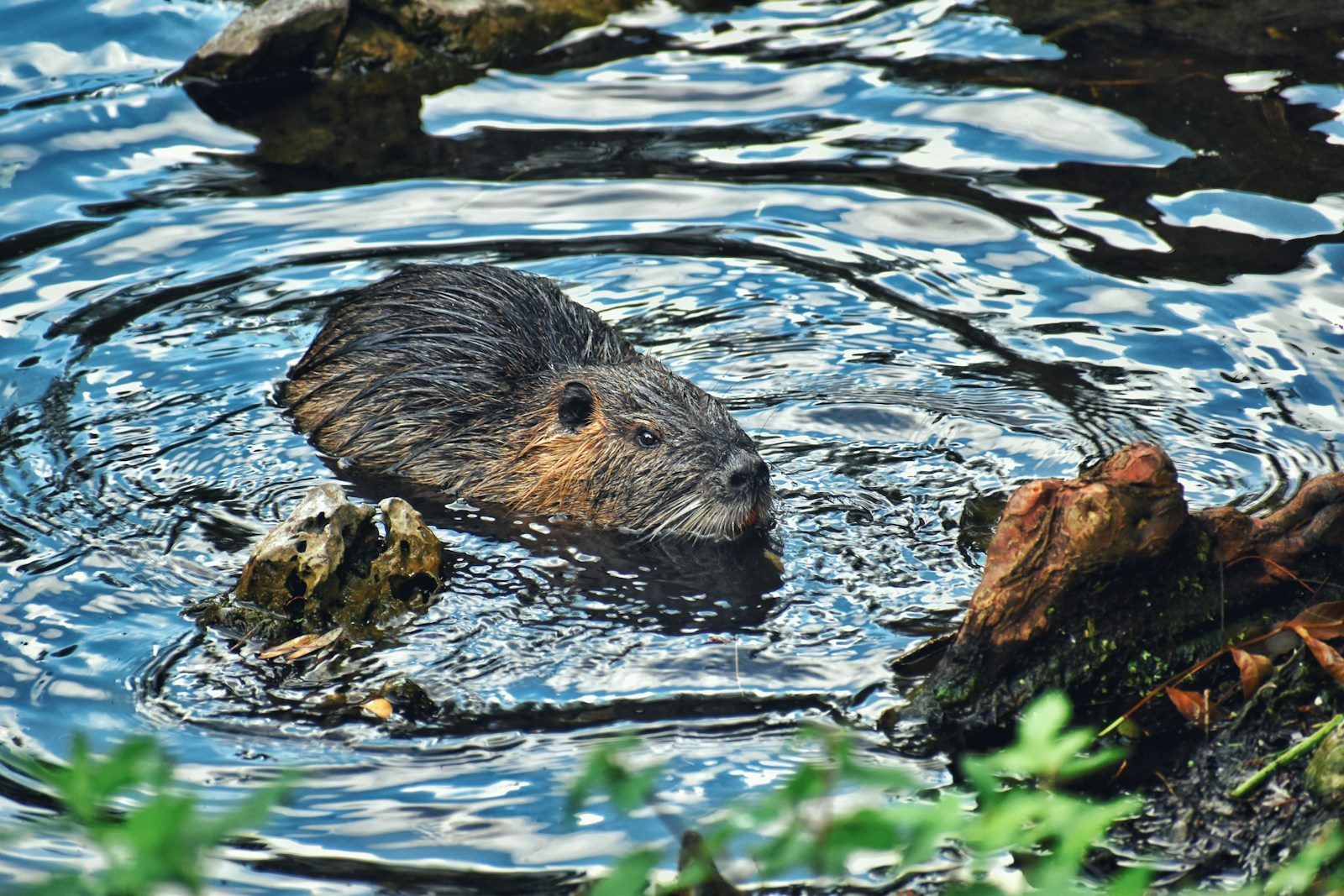
Beavers are often seen as simple dam builders shaping streams and ponds. But new research shows their impact goes far beyond water management. Their engineering is creating entire ecosystems that support a wide range of wildlife, including bats and even endangered species.
A study published in the Journal of Animal Ecology found that bat activity is significantly higher in areas influenced by beavers compared to nearby streams without beaver activity. In some cases, endangered bat species were also more frequently detected in these habitats.
Beaver dams reshape entire ecosystems
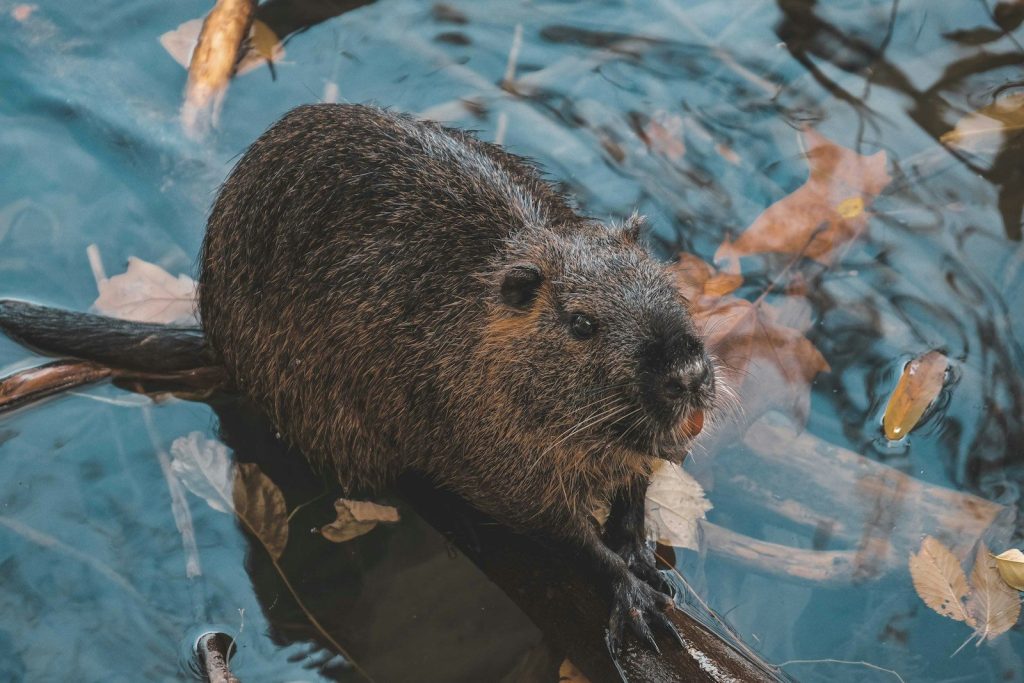
When beavers build dams, they slow down flowing water and create ponds, wetlands, and flooded forest edges. This transformation changes the structure of the landscape in a way that benefits many species at once.
Still water increases the number of aquatic insects. At the same time, flooded trees and broken canopy openings create more flight paths and hunting space for bats. These conditions combine to make beaver territories highly productive hunting grounds.
Researchers observed that bats hunted about 2.3 times more frequently in areas with beaver activity than in comparable streams without beavers.
A richer environment for wildlife
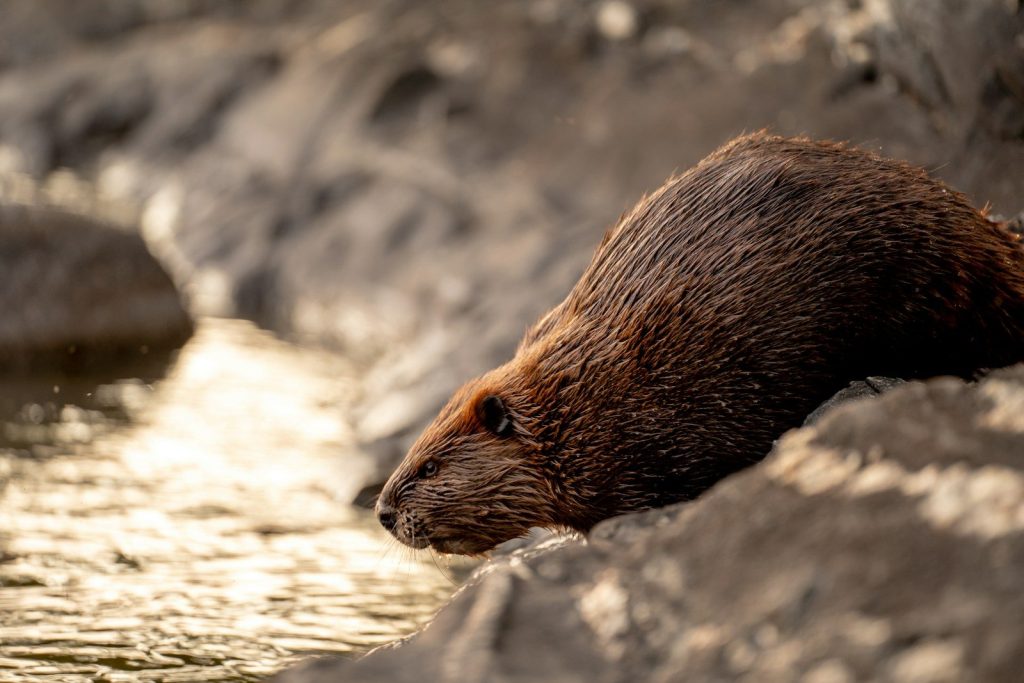
Scientists comparing river sections in the Swiss Plateau found that beaver influenced areas contained more standing dead trees, more fallen wood, and more varied vegetation. The forest structure was also more open and patchy, which creates a mix of microhabitats.
This diversity supports a larger insect population, which becomes an important food source for bats. The result is a chain reaction where beavers increase insect numbers, and bats benefit from the extra food supply.
Why dead trees matter more than they seem
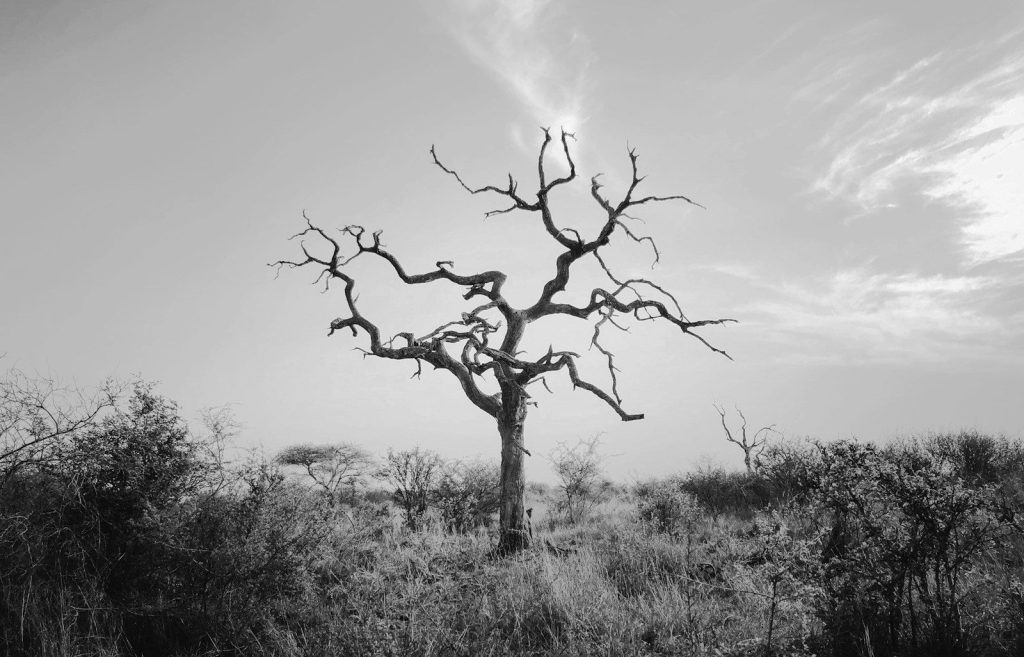
One of the most important findings involves standing dead trees. When beavers flood areas or cut down trees, some trunks remain standing for years. These trees become critical habitat features for many species.
Certain bats, such as the western barbastelle, often roost under loose bark on these dead trunks. The presence of beavers increases the number of these roosting sites, which helps support sensitive and endangered species.
What may look like damaged forest is actually an important part of a functioning ecosystem.
More insects mean more bats
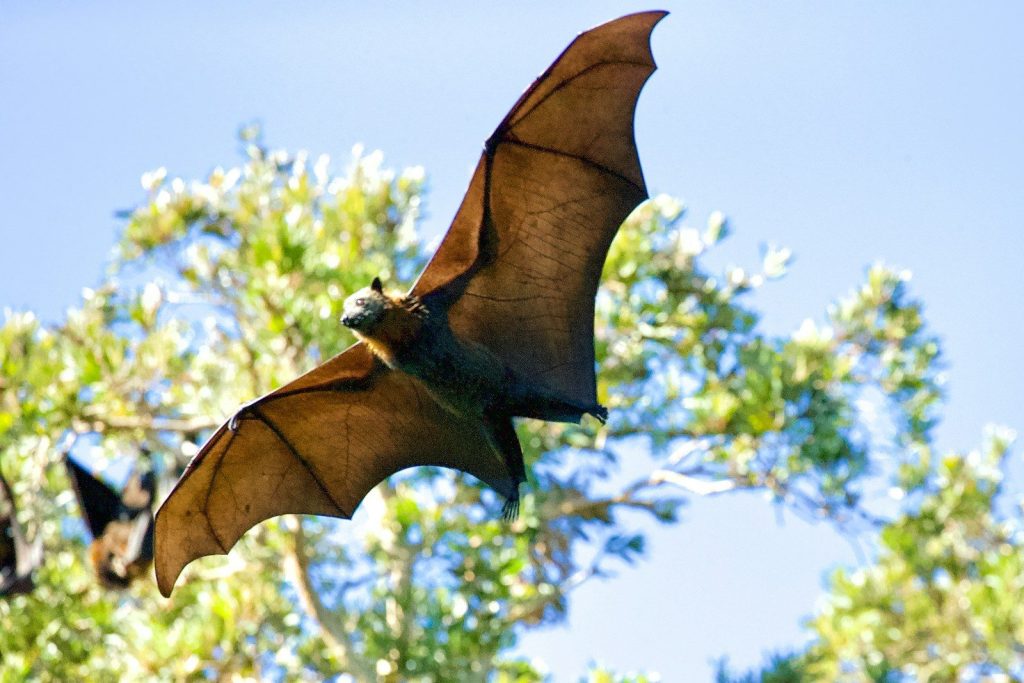
Beaver ponds also create ideal conditions for insects. Still water provides breeding grounds for mosquitoes, midges, and other aquatic insects. These insects then emerge in large numbers and become a reliable food source for bats.
This increase in prey availability is one of the main reasons bat activity rises so sharply in beaver territories.
Endangered species are benefiting as well
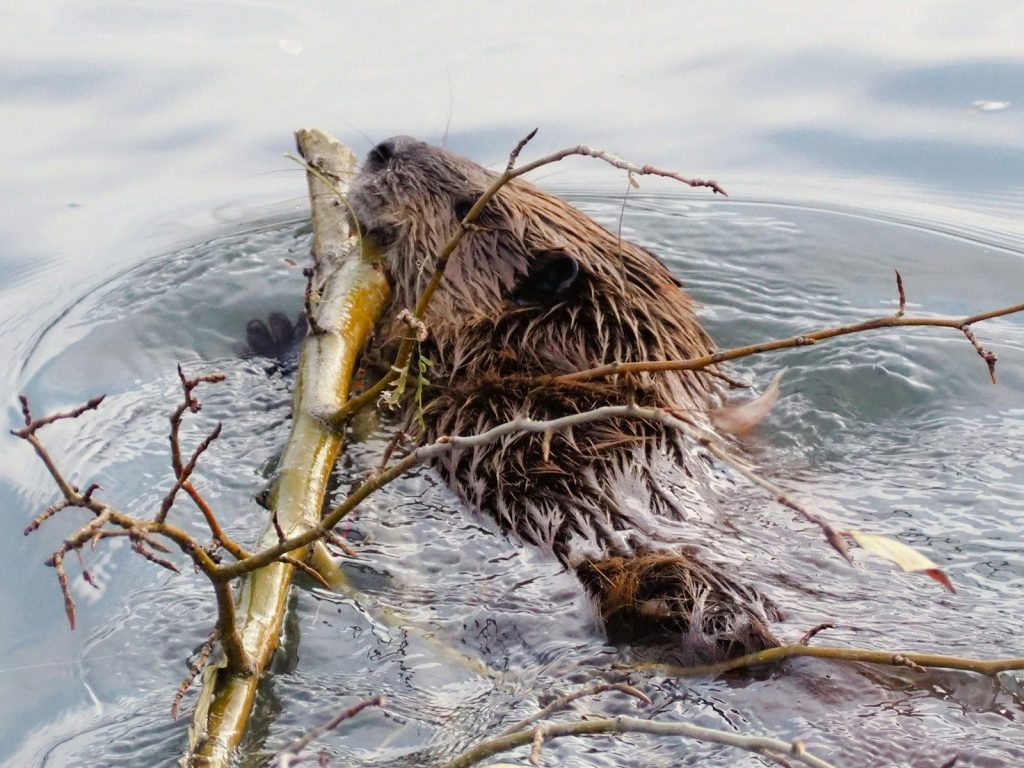
The study also found that red listed bat species were more commonly found in beaver modified landscapes. This suggests that beaver activity may be especially valuable for species already under environmental pressure.
By improving both shelter and food availability, beavers are indirectly supporting conservation efforts across multiple species.
Beavers as natural ecosystem engineers
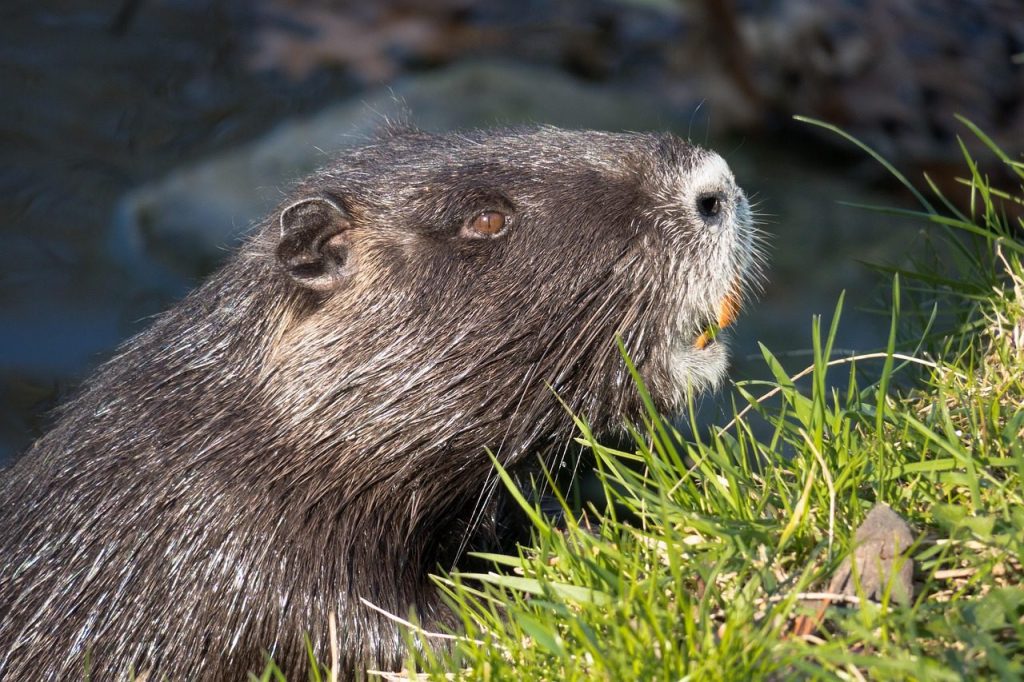
Scientists often describe beavers as ecosystem engineers because they physically reshape their environment in ways that affect many other organisms. Unlike most animals, their influence extends far beyond their own survival needs.
Through dam building and tree felling, they create long lasting changes in water flow, vegetation, and habitat structure that benefit entire ecological communities.
A surprising ally for biodiversity
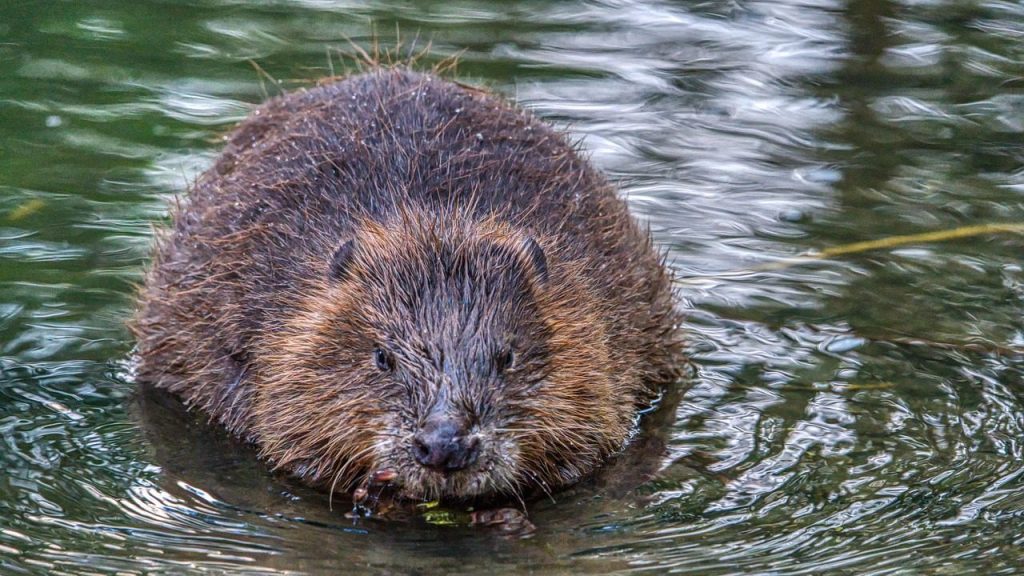
Beavers were once nearly extinct in many parts of Europe, but conservation efforts have helped their populations recover significantly. Today, their return is having unexpected positive effects on ecosystems.
From insects and fish to bats and endangered species, many animals are benefiting from the habitats beavers create.
What begins as a simple dam ends up becoming a complex and thriving ecosystem shaped by one of nature’s most influential engineers.