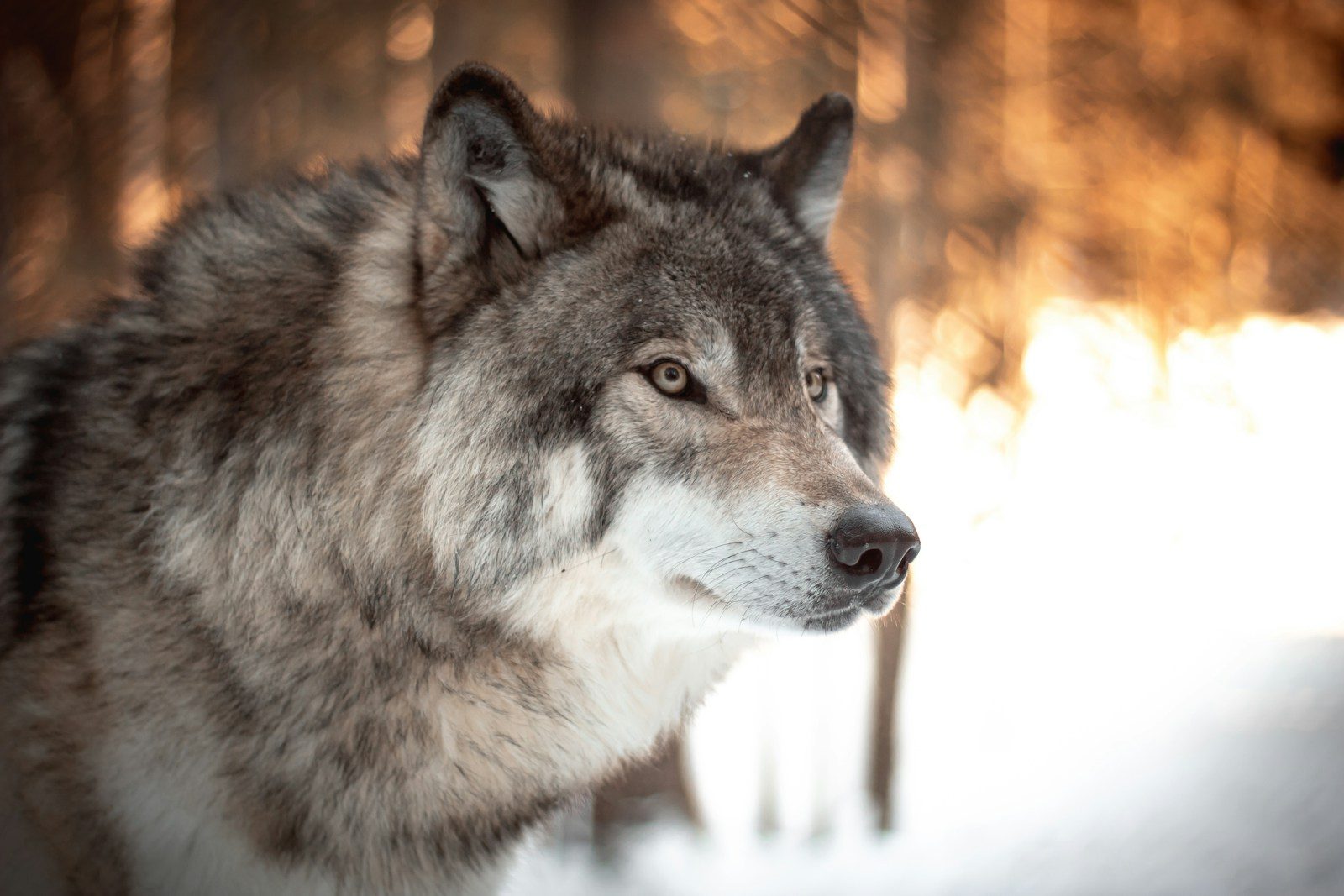
Wolves have long fascinated animal lovers because of their size, strength, and survival instincts. While many canines share common ancestry, wolves continue to stand apart thanks to their physical dominance and highly developed pack behavior.
From coyotes and foxes to domestic dogs, most members of the canine family simply cannot match the wolf’s endurance or raw power. Experts say wolves evolved to survive harsh wilderness conditions, giving them advantages that few other canines possess.
Wolves Are Significantly Larger Than Most Canines
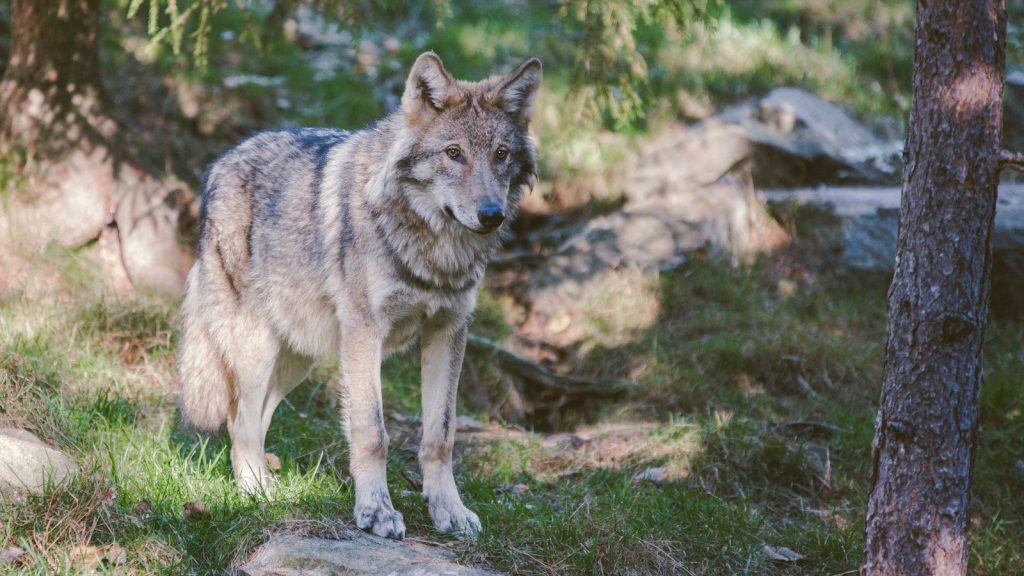
Gray wolves can weigh between 60 and 100 pounds, with some individuals growing even larger in colder regions. That makes them far heavier than foxes, jackals, and many wild dog species.
Their long legs and muscular build also help them travel huge distances while conserving energy. Scientists say wolves are designed for endurance hunting across rough terrain and deep snow.
Their Bite Force Gives Them A Major Advantage
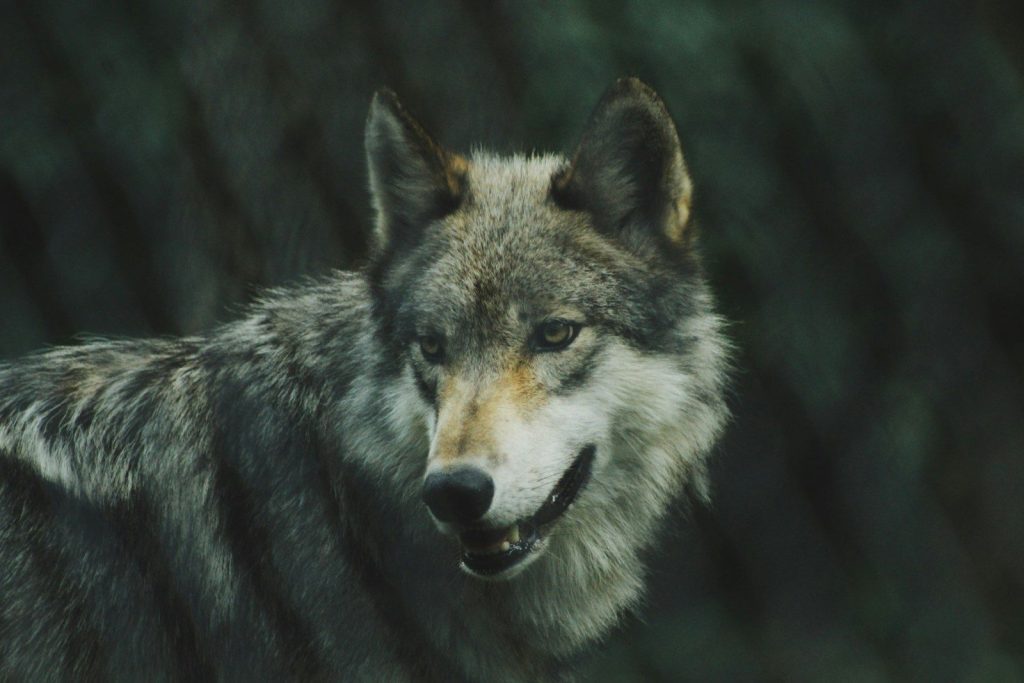
Wolves possess stronger jaws and larger teeth than domestic dogs because they must crush bone and tackle large prey in the wild. This powerful bite allows them to survive in environments where food can be scarce.
Unlike household dogs that rely on humans for food, wolves depend entirely on hunting success. Their physical strength is one reason they remain among the most formidable predators in the canine family.
Wolves Have Exceptional Endurance In The Wild
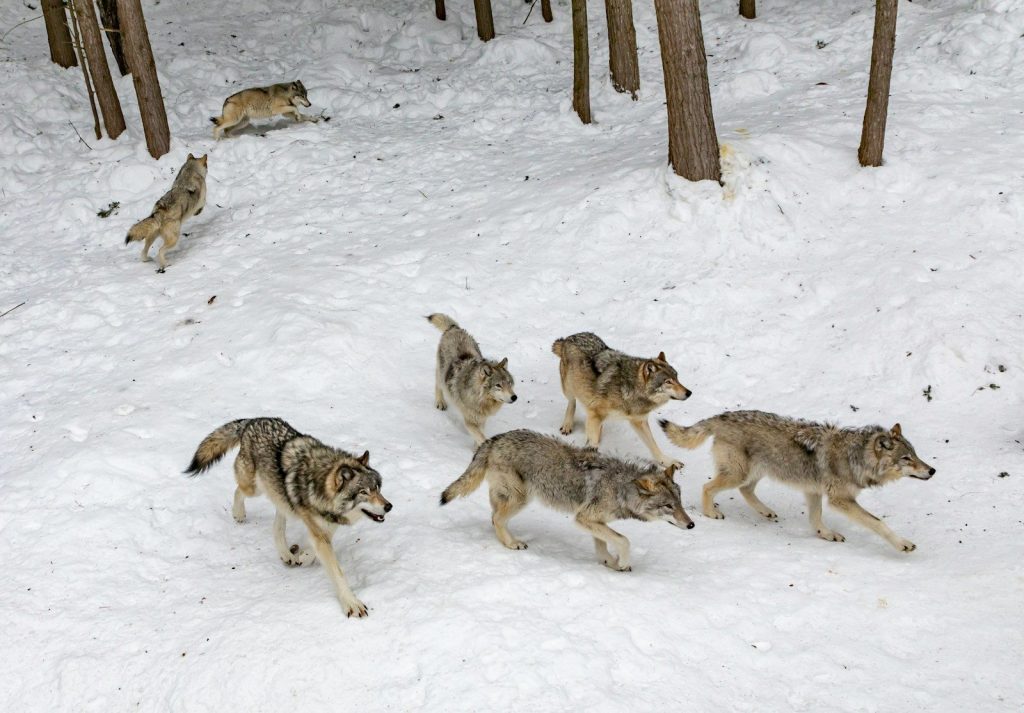
Wolves are capable of traveling dozens of miles in a single day while tracking prey. Their body structure allows them to maintain stamina over long distances without tiring quickly.
Many smaller canines rely on speed or stealth, but wolves combine endurance with coordinated pack hunting. This teamwork gives them the ability to take down animals much larger than themselves.
Pack Communication Helps Wolves Survive
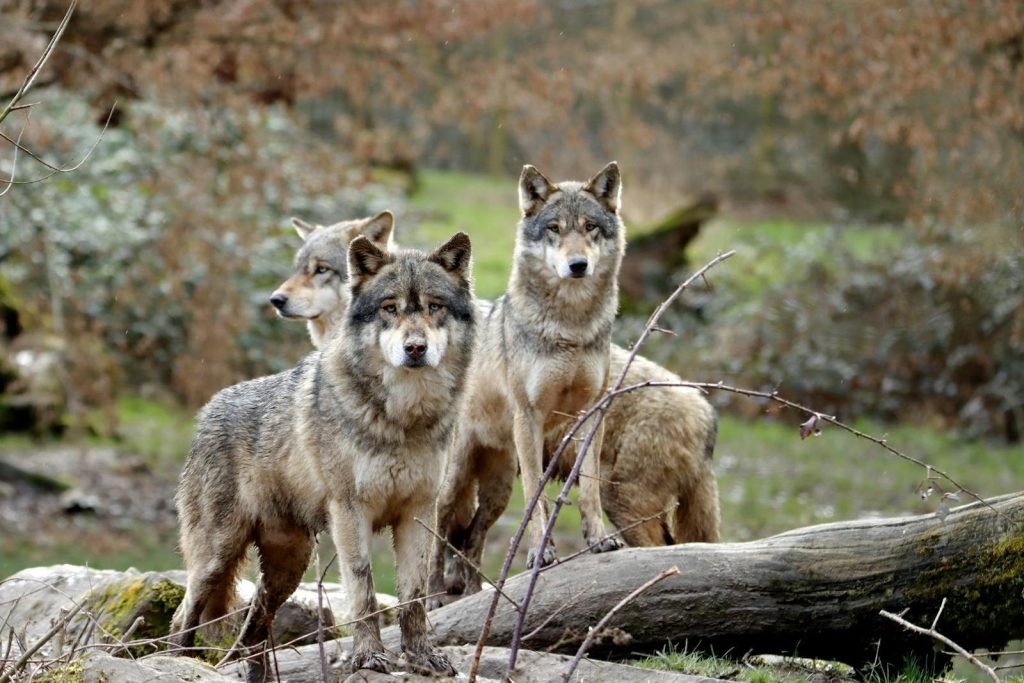
Wolves rely heavily on body language, vocalizations, and social hierarchy to function as a unit. Researchers say this communication strengthens hunting efficiency and keeps the pack organized.
Howling is one of the species’ best known behaviors, but subtle movements and facial expressions are equally important. These social traits help wolves maintain order even during dangerous hunts.
Domestic Dogs Share Ancient Wolf Roots
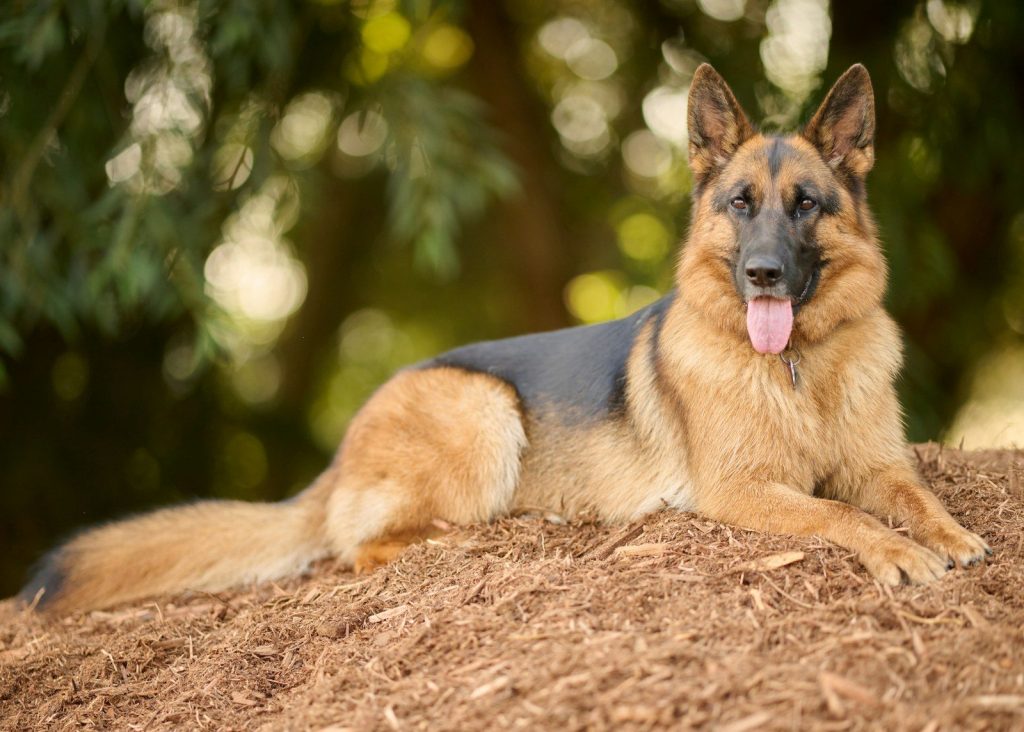
Modern dogs evolved from wolf ancestors thousands of years ago through gradual domestication alongside humans. Even today, dogs and wolves still share much of their DNA despite major behavioral differences.
Scientists say domesticated dogs became more dependent on humans over time, while wolves retained their independence and survival instincts. This divergence helped shape the traits people now associate with household pets.
Wolves Continue To Inspire Fascination Worldwide
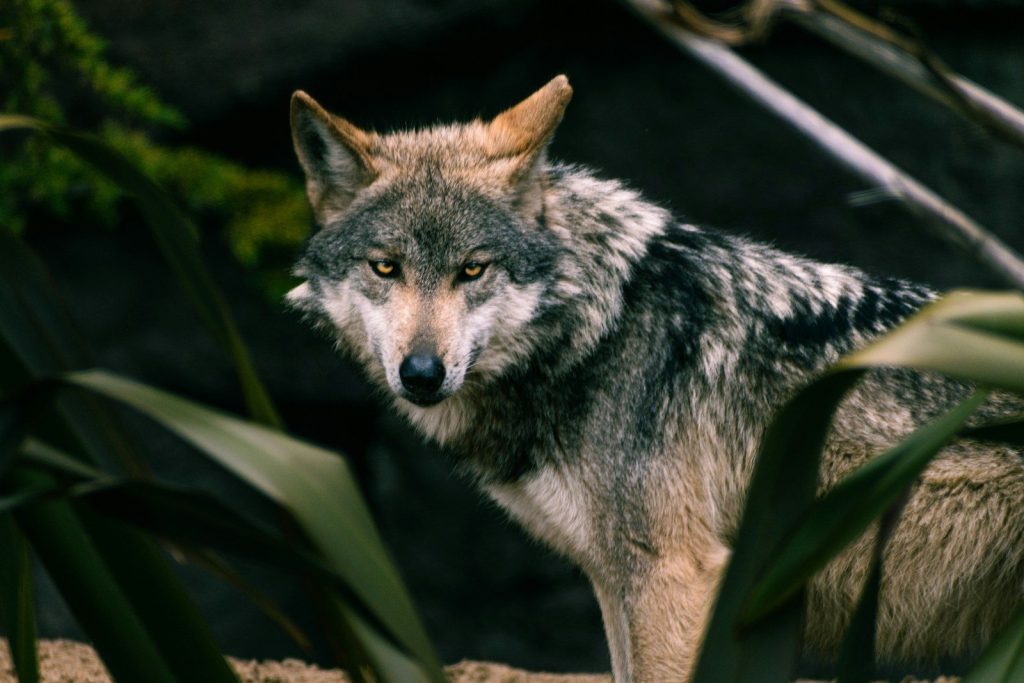
Wolves remain symbols of wilderness because of their intelligence, resilience, and physical capabilities. Their ability to thrive in difficult environments continues to capture public attention across documentaries and wildlife research.
Conservationists also view wolves as essential to maintaining healthy ecosystems. As interest in wildlife grows, these powerful canines continue to be studied for their role in nature and their connection to modern dogs.